How To Wear Bone Conduction Headphones: Quick Fit Tips
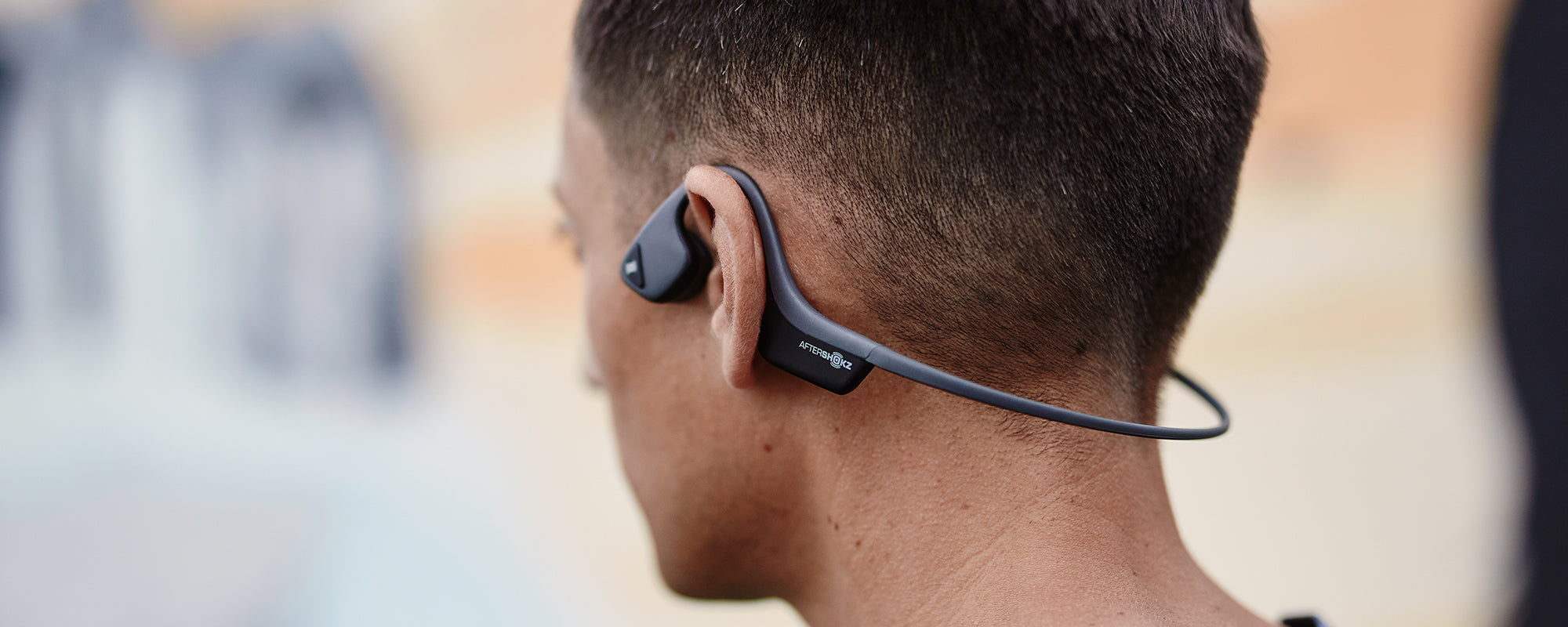
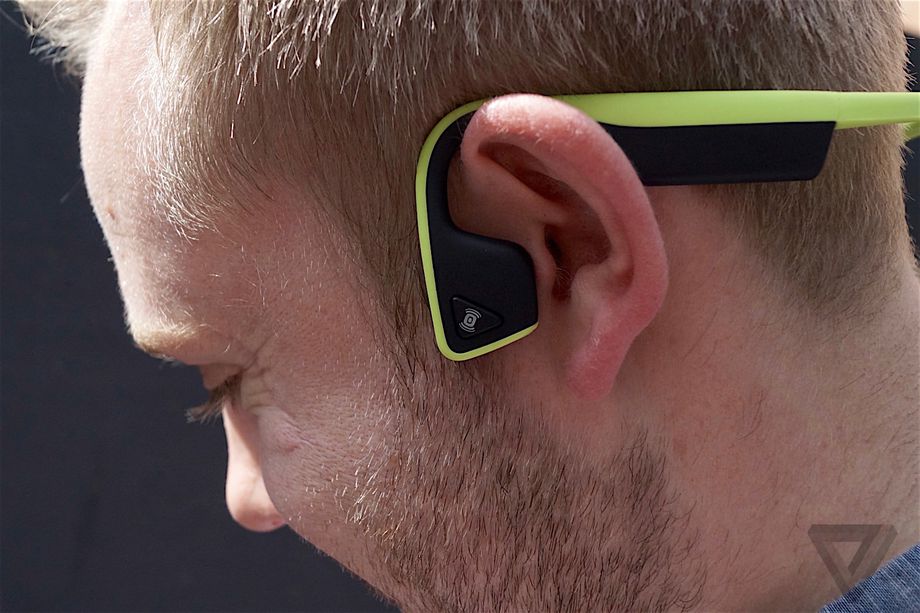
Wear bone conduction headphones with the transducers resting just in front of your ears, against your cheekbones.
I’ve worn and tested many bone conduction models over several years, and I’ll walk you through exactly how to wear bone conduction headphones so they fit, stay secure, and sound their best. This guide covers simple steps, comfort tips, common pitfalls, care advice, and quick answers to common questions — all based on hands-on experience and practical testing.

How bone conduction works and why fit matters
Bone conduction headphones send sound vibrations through the bones of your skull to your inner ear. That keeps your ear canals open. You can hear ambient sounds and conversation while listening to music or calls.
Understanding how bone conduction works helps when learning how to wear bone conduction headphones. If the transducer is off the bone or pointed wrong, you lose bass and clarity. Fit and placement are not cosmetic. They directly affect sound and safety.
I tested several models on runs and while cycling. Small position changes changed how loud and full the sound felt. Good placement gives clear midrange and usable bass. Bad placement gives weak sound and more leakage.
How to wear bone conduction headphones — step-by-step
Follow these clear steps to put them on right every time.
- Unpack and check
- Inspect pads, straps, and transducers for damage. Charge the battery if needed.
- Find the right orientation
- Most models curve around the back of the head. The transducers sit just in front of the ear canals on your cheekbones.
- Place them on your head
- Slide the band over the back of your head. Rest the pads on the bone just in front of each ear. Do not put them over the ear or directly on the ear canal.
- Adjust for comfort
- Shift the pads slightly up or down until the sound is clear. Tighten or loosen the band for a snug fit without pressure.
- Test with a short clip
- Play a familiar track. Adjust until vocals and rhythm sound natural. If bass is missing, move the transducers closer to the cheekbone.
Practical tip from my experience: start with the transducer center about an inch in front of the ear canal. Tiny moves matter. If you run or bike, do a short test walk before you commit to a long session.
Tips for comfort, stability, and sound quality
Use these quick tips to improve fit and sound.
- Try different positions
- Move the transducers up, down, forward, or back in small steps. One small move often fixes muffled sound.
- Use the correct strap tension
- Too loose makes them fall. Too tight causes soreness. Aim for a gentle but secure hold.
- Add soft pads if needed
- Thin foam or silicone pads can increase comfort and reduce vibration pressure.
- Keep ears open for safety
- Because your ears stay open, you can hear traffic and voices. That makes them ideal for outdoor workouts.
- Equalize audio
- Use your device’s EQ to boost low frequencies. Bone conduction often lacks deep bass.
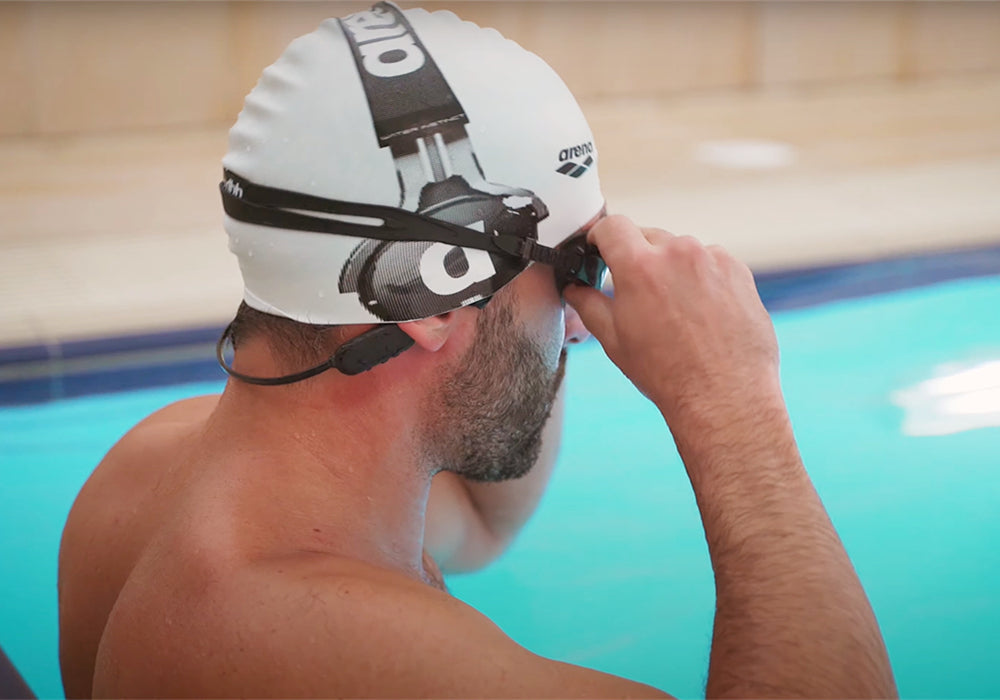
From my testing: on long runs I detail-scan the fit at mile one and again at mile three. Sweat can shift the band, so use a headband or cap for extra hold.
People also ask
Can I wear bone conduction headphones while running?
Yes. They are great for running because they let you hear traffic and environment while listening to audio. Use a secure strap or headband to keep them steady.
Do bone conduction headphones block outside noise?
No. They let outside sound in. That is a safety feature but also means ambient noise competes with your audio.

Common mistakes to avoid when wearing bone conduction headphones
Avoid these errors that reduce sound or cause discomfort.
- Placing pads on the ear canal
- Bone conduction must sit on the cheekbone, not inside the ear. Putting them on the ear will sound wrong.
- Tightening too much
- Over-tightening causes pain and headaches. Loosen slightly for comfort.
- Assuming volume equals fit
- Turning the volume up won’t fix poor placement. Move the transducer instead.
- Ignoring sweat and dust
- Let build-up change how they work. Clean regularly.
- Skipping test listens
- Always play a short clip to confirm placement before long use.
When I first used them, I layered a baseball cap and found that shifted the pads. I learned to test fit after putting on any hat.
Cleaning, care, and battery tips
Simple care keeps them working well and fitting right.
- Wipe after use
- Use a soft damp cloth to remove sweat and grime. Avoid soaking the unit.
- Charge smart
- Follow manufacturer charging guidelines to protect the battery and life span.
- Store safely
- Keep them in a case to avoid bending the band or crushing the transducers.
- Replace pads if worn
- Pads lose grip and comfort; swap them when they feel flat.
- Check firmware updates
- Periodic firmware can fix connection or sound issues on Bluetooth models.
From experience: one pair I owned lasted far longer when I dried them gently after wet runs and kept them in a soft case.

Frequently Asked Questions of how to wear bone conduction headphones
How do I position the transducers correctly?
Place the transducer pads just in front of your ear canals, resting on the cheekbones. Small shifts will improve clarity and bass.
Can I wear them under a hat or helmet?
Yes, most models fit under hats and many helmets. Test for pressure and reposition if you feel discomfort.
Are they safe for outdoor use?
They are safer than in-ear buds because you can hear ambient sounds. Still, keep volume moderate and stay aware of hazards.
Will they fall off during exercise?
They can if the band is loose. Use a snug fit, headband, or ear hooks for extra security during high-movement sports.
Do bone conduction headphones work for people with hearing loss?
They help some people, especially those with outer or middle ear issues, because they bypass the ear canal. Results vary, so test for your needs.
How do I improve bass and sound quality?
Move the transducers slightly closer to the cheekbone and use an EQ with bass boost. Proper fit matters more than volume.
Can I sleep with them on?
Light use during naps is fine, but they are not ideal for deep sleep due to pressure and possible shifting. Use soft models if you try.
Conclusion
Wearing bone conduction headphones correctly means placing the transducer pads on your cheekbones, adjusting the band for a snug but comfortable hold, and testing sound with a short clip. Small positional tweaks often make the biggest difference in clarity and bass. Try the steps and tips here on your next run or commute to feel the change.
Take one clear action: put them on and make a three-move adjustment — up, down, and forward — until the sound clicks. If this guide helped you, try a model test, subscribe for more gear tips, or share your fit tips in the comments.