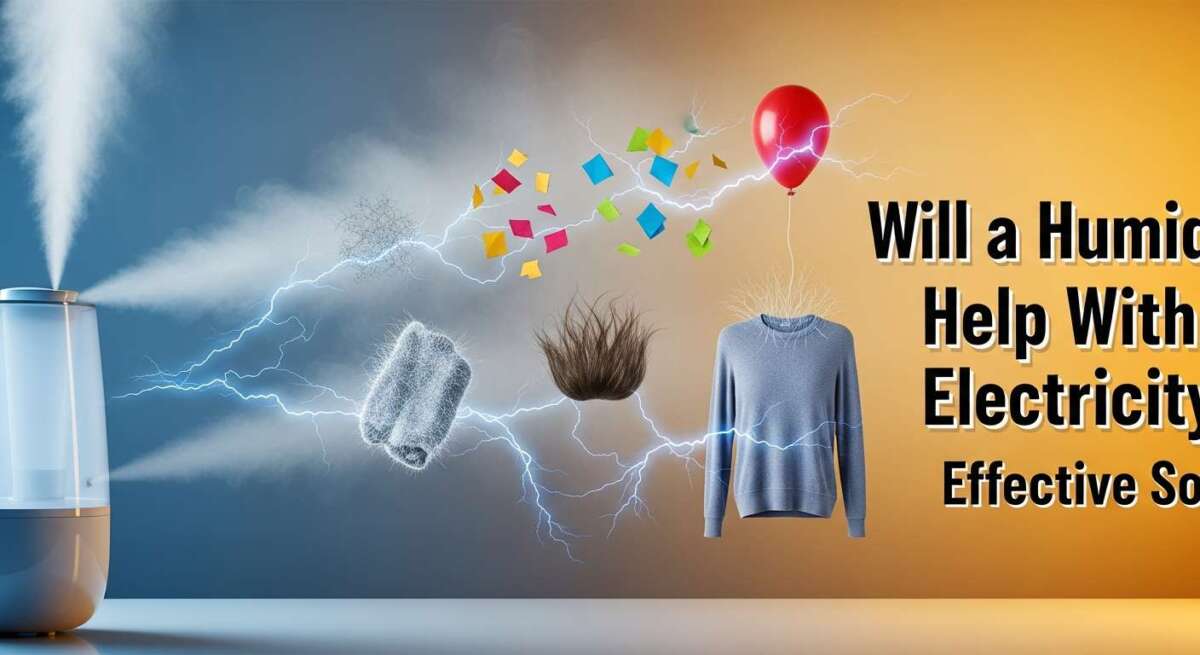
Will a Humidifier Help With Static Electricity? Effective Solutions!
Let me guess.
You touched a doorknob.
Zap.
You pulled off a sweater.
Crackle.
Or maybe your blanket sparked in the dark, and you just sighed.
If that sounds familiar, you’re not alone. Static electricity is one of those small things that can drive you crazy at home. And naturally, many people ask the same question:
Will a humidifier help with static electricity?
Short answer?
Yes—often more than you expect.
But let’s slow down. I want to explain this clearly, simply, and honestly. I’ll also share what I noticed in my own home, so you can decide if a humidifier makes sense for you.
Why Static Electricity Happens Indoors
First, let’s keep this simple.
Static electricity happens when electric charges build up on objects. This usually comes from friction.
For example:
- Walking on carpet
- Pulling clothes over your head
- Sliding across a couch
Each time, tiny charges move from one surface to another. When those charges finally release, you feel a shock.
This is very common inside homes, especially during colder months.

Credit: www.dreo.com
How Dry Air Makes Static Electricity Worse
Here’s the key detail many people miss.
Static electricity loves dry air.
When air is dry:
- Charges stay trapped
- They cannot move easily
- They build up faster
In winter, heaters dry the air even more. Windows stay closed. Fresh moisture rarely enters.
That’s why static electricity in the house feels worse in winter than summer.
I noticed this clearly one January. Every metal handle shocked me. Even my cat’s fur sparked when I pet him. That’s when I realized the air itself was the problem.
What Role Humidity Plays in Static Control
Humidity simply means moisture in the air.
When air contains moisture:
- Electric charges move easier
- Charges escape instead of building up
- Shocks happen less often
Think of moisture as a helper. It gives charges a path to travel, so they don’t sit and wait to shock you.
This is why humid air feels softer and calmer.
Will a Humidifier Help With Static Electricity?
Now let’s answer the main question clearly.
Yes, a humidifier can help reduce static electricity.
However, there are limits.
A humidifier:
- Adds moisture to dry air
- Helps stop charge buildup
- Reduces shocks and static cling
But it must:
- Run long enough
- Be sized for the room
- Keep humidity in the right range
Used correctly, it works very well.
My Personal Experience Using a Humidifier to Stop Static Shocks
Let me share a real moment.
One winter, static shocks got so bad that I avoided touching metal. I finally placed a small humidifier in my bedroom and set it to around 40%.
Within two days, something changed.
No more sparks in the dark.
No more sweater crackle.
No more shocks from the lamp switch.
I didn’t change my clothes. I didn’t change my carpet. I only changed the air.
That experience made the science feel very real.
What Science and Experts Say About Humidity and Static
This is not just personal experience.
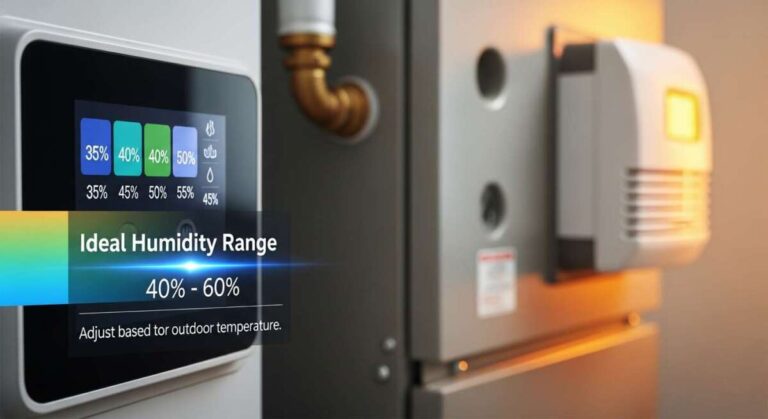
According to guidance from the Environmental Protection Agency, maintaining indoor humidity between 30% and 50% improves comfort and reduces dry-air problems.
Many indoor air specialists agree that static electricity drops sharply once humidity reaches about 40%.
Moist air conducts electricity better. That means charges disappear instead of shocking you.
Best Humidity Level to Reduce Static Electricity
Let’s make this practical.
The best range is:
- 30%–50% humidity
- Around 40% works best for most homes
Below 30%:
- Static shocks increase
- Skin dries out
Above 50%:
- Mold risk rises
- Air feels heavy
Using a small hygrometer helps a lot. Once I started measuring humidity instead of guessing, managing static became easy.

Credit: www.solencostore.com
How Humidifiers Reduce Static Electricity (In Plain Words)
Now let’s talk about how this actually works.
I promise to keep this simple.
A humidifier adds tiny water droplets into the air. These droplets float around and mix with the dry air in your home. Once that happens, something important changes.
The air becomes better at moving electric charges.
Instead of charges sitting on your clothes, carpet, or skin, they spread out and disappear. As a result, shocks happen less often.
That’s why people notice fewer sparks and less static cling once humidity rises.
Types of Humidifiers and How They Affect Static Electricity
Not all humidifiers work the same way. However, when it comes to static electricity, most types can help if used correctly.
Let’s go through them one by one.
Evaporative Humidifiers
These are very common.
They use a fan to blow air through a wet filter. As air passes through, it picks up moisture.
Why they help:
- They add steady moisture
- They rarely over-humidify
- They work well for living rooms
From experience, these feel very natural and balanced.
Ultrasonic Humidifiers
These use vibrations to create mist.
They are:
- Quiet
- Energy efficient
- Great for bedrooms
I used one of these during winter, and it ran all night without noise. Within days, static shocks indoors dropped a lot.
Warm Mist Humidifiers
These boil water to release steam.
They:
- Kill germs in water
- Add warmth to air
However, they:
- Use more power
- Can feel too warm in small rooms
They still reduce static well if humidity stays in range.
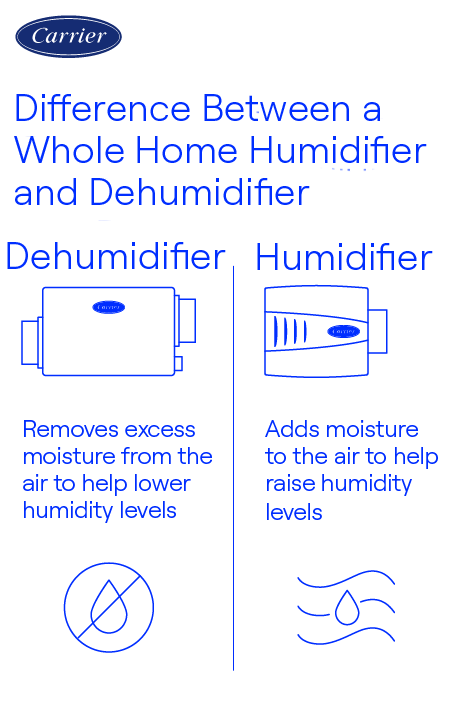
Whole-House Humidifiers
These connect to your HVAC system.
They:
- Cover the entire house
- Maintain even humidity
- Cost more upfront
If static affects every room, this option works best.
Choosing the Right Humidifier to Reduce Static Electricity
Now let’s make this practical.
Choosing the right humidifier depends on a few simple things.
Room Size Matters
A small humidifier in a large room won’t work well.
Always check:
- Square footage rating
- Water tank size
If the unit is too small, humidity stays low, and static remains.
Control Settings Are Important
Look for humidifiers with:
- Adjustable mist levels
- Built-in humidistats
- Auto shut-off
These features help keep humidity steady and safe.
Noise Level Matters Too
If you plan to use it at night, choose a quiet model.
Ultrasonic humidifiers usually work best for sleep.
Best Humidity Level to Stop Static Shocks (Real-World Guidance)
Let’s review this again, because it matters a lot.
The sweet spot is:
- 40% humidity for static control
- Never below 30%
- Never above 50%
I personally aim for 38–42%. At that range, shocks stopped almost completely.
Health experts, including insights aligned with Mayo Clinic, also warn that too much moisture can cause mold and breathing issues. Balance is key.
Other Ways to Reduce Static Electricity at Home
Humidifiers help a lot. However, combining them with small habits works even better.
Wear Natural Fibers When Possible
Cotton and wool create less static than synthetic fabrics.
Once I switched my winter pajamas to cotton, static cling dropped fast.
Use Fabric Softener or Dryer Sheets
These coat fibers lightly, which reduces friction.
This helps especially with blankets and sweaters.
Add Indoor Plants
Plants release moisture into the air slowly.
They also:
- Improve air quality
- Make rooms feel calmer
Spider plants and peace lilies work well.
Leather or Wood Soles Help
Rubber soles increase static. Leather soles reduce it.
This small change surprised me the most.
Potential Drawbacks of Using a Humidifier
Now let’s be honest again.
Humidifiers help, but they are not perfect.
Over-Humidification Risks
Too much moisture can:
- Cause mold growth
- Damage furniture
- Make air feel heavy
That’s why measuring humidity matters.
Maintenance Is Not Optional
Humidifiers need cleaning.
If not cleaned:
- Bacteria can grow
- Minerals spread into air
- Air quality drops
I clean mine once a week. It takes five minutes and makes a big difference.
Expert Tips to Use a Humidifier Safely and Effectively
Here are tips I always follow:
- Use distilled or filtered water
- Clean the tank weekly
- Place the unit away from walls
- Use a hygrometer
- Do not guess humidity levels
These steps protect your health and your home.
When a Humidifier May Not Be Enough
Sometimes, static electricity keeps coming back.
This can happen if:
- Your HVAC system dries air too much
- Your climate is extremely dry
- Your home has poor insulation
In those cases, a professional can help.
They may suggest:
- HVAC adjustments
- Whole-house humidifiers
- Air sealing improvements
Credit: www.carrier.com
Frequently Asked Questions About Humidifiers and Static Electricity
Below are the most common questions people ask. I’ll answer each one clearly, using real-world logic instead of technical talk.
Will a humidifier help with static electricity in winter?
Yes, a humidifier can help a lot during winter months. Indoor heating dries the air quickly, which causes static electricity to build up. By adding moisture back into the air, a humidifier helps electric charges move away instead of shocking you. Many people notice fewer sparks within a few days of regular use.
How long does it take for a humidifier to reduce static electricity?
In most homes, you may notice less static within 24 to 72 hours. However, this depends on room size, starting humidity, and humidifier strength. From my experience, once indoor humidity stays near 40%, static shocks drop fast and stay low.
What humidity level is best to stop static shocks?
The ideal indoor humidity level to reduce static electricity is between 30% and 50%. Most homes see the best results around 40%. Below 30%, static shocks increase. Above 50%, you risk mold and moisture damage, so balance matters.
Can a humidifier stop static cling in clothes?
Yes, humidifiers reduce static cling by adding moisture to the air. Moist air keeps fabric fibers from building electric charges. When humidity rises, clothes stick less, crackle less, and feel more comfortable to wear, especially during dry seasons.
Is a humidifier better than other static control methods?
A humidifier is one of the most effective long-term solutions because it treats the root cause—dry air. Other methods, like fabric softeners or clothing changes, help too. However, combining a humidifier with small habits gives the best and most reliable results.
Can too much humidity cause problems?
Yes, too much humidity can cause mold growth, dust mites, and damage to furniture or walls. That’s why it’s important to measure humidity with a hygrometer and keep levels below 50%. Humidifiers work best when used carefully and monitored regularly.
Expert Summary: What Really Works to Reduce Static Electricity
Let’s pause and bring everything together.
Static electricity is not random.
It is caused by dry indoor air.
Once you understand that, the solution becomes clear.
What Works Best
- Maintaining indoor humidity near 40%
- Using a properly sized humidifier
- Measuring humidity instead of guessing
- Cleaning the humidifier often
What Helps Even More
- Wearing natural fabrics
- Using fabric softeners
- Adding indoor plants
- Avoiding very dry heat settings
From both research and experience, moisture in the air makes the biggest difference.
My Final Personal Take (Honest and Experience-Based)
I want to be very clear with you.
Before I used a humidifier, static electricity felt unavoidable. I thought shocks were just part of winter life. After using one consistently, that belief changed.
Once the air changed, everything changed.
No more sparks.
No more flinching at doorknobs.
No more crackling clothes.
That shift did not happen overnight. However, once humidity stayed steady, the improvement lasted all season.
Final Verdict: Will a Humidifier Help With Static Electricity?
Yes—a humidifier is one of the most effective ways to reduce static electricity at home.
It works because:
- Static needs dry air
- Humidifiers fix dry air
- Balanced humidity stops charge buildup
However, results depend on:
- Correct humidity levels
- Proper humidifier size
- Regular cleaning and monitoring
If you want fewer shocks, less static cling, and a more comfortable home, a humidifier is absolutely worth considering.