What Should I Set My Furnace Humidifier at: Ideal Levels Explained
If you’re asking, “What should I set my furnace humidifier at?”, trust me, you are not alone.
I hear this question every winter. Friends ask me. Neighbors ask me. Even family members ask me when their windows fog up or their skin starts itching. And honestly, I asked the same thing the first time I owned a home with a furnace humidifier.
At first, I thought higher humidity meant more comfort. So, I turned it up. Big mistake. Within days, my windows were dripping with water. That was my first real lesson.
Since then, I’ve learned what actually works. I’ve tested settings. I’ve watched how my home reacts. And I’ve learned what experts recommend too.
In this guide, I’m going to talk to you like a real person. No jargon. No confusing terms. Just clear advice. By the end, you’ll know exactly what to set your furnace humidifier at, and more importantly, why.
Why Indoor Humidity Matters More Than You Think
Humidity may seem like a small thing. However, it affects almost everything inside your home.
How Humidity Affects How Your Home Feels
Dry air makes your home feel colder.
Even when the thermostat says 70°F, dry air can feel harsh.
Because of that, many people turn the heat up. That raises energy bills fast.
When humidity is right, the air feels warmer. As a result, you stay comfortable without touching the thermostat.
I noticed this myself. Once I balanced humidity, I stopped fiddling with the heat.
How Humidity Affects Your Health
Low humidity dries out your body.
Your skin feels tight.
Your lips crack.
Your nose burns.
Even worse, dry air irritates your throat and sinuses. That can affect sleep. It can also make colds feel worse.
On the other hand, balanced humidity helps your body stay comfortable. Breathing feels easier. Sleep improves.
That’s why indoor humidity matters for health, not just comfort.
How Humidity Protects Your Home
Your home feels humidity too.
When air is too dry:
- Wood floors can crack
- Furniture can split
- Gaps appear around doors
When air is too wet:
- Mold can grow
- Paint can peel
- Windows can rot
So clearly, the right humidity level protects your investment.

Credit: hvac-group.com
What Should I Set My Furnace Humidifier at in Winter? (Short Answer First)
Let’s get straight to it.
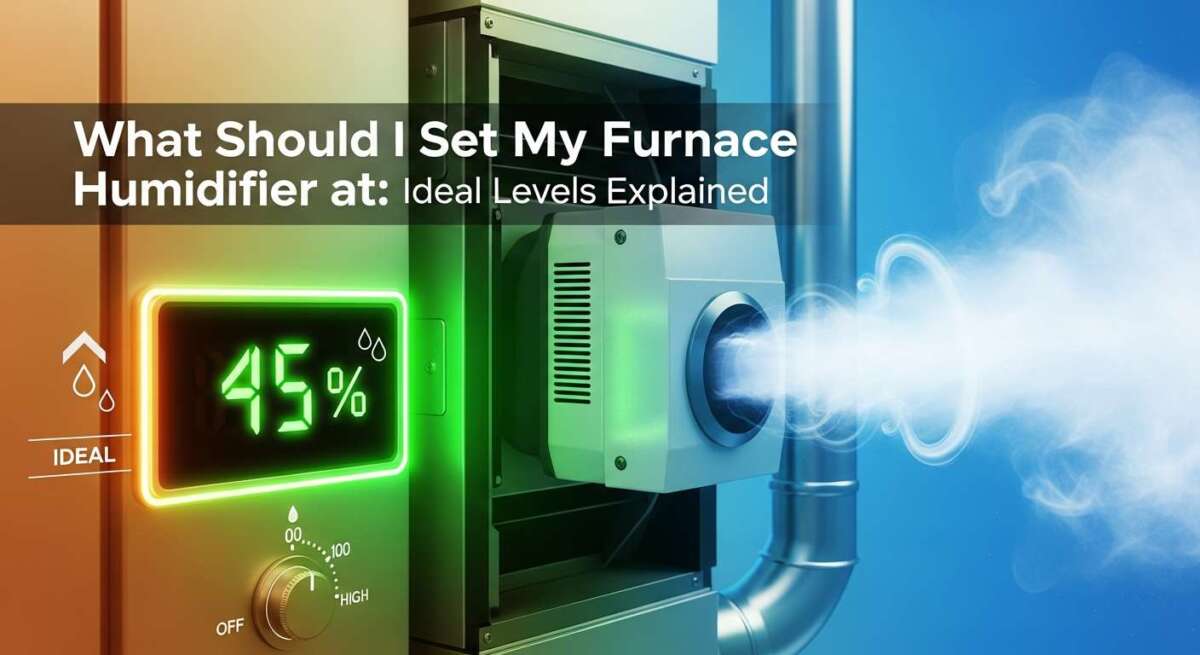
👉 The best furnace humidifier setting in winter is usually between 30% and 40% relative humidity.
This range gives comfort without causing moisture problems.
I personally start at 30% when winter begins. Then, I slowly adjust upward if my home feels dry.
Anything above 40% during cold weather can cause condensation. And condensation leads to mold.
That’s why experts stay conservative here.
Ideal Indoor Humidity Levels by Season
Humidity is not “set it and forget it.”
It changes with the seasons.
Winter Humidity Settings
During winter, outdoor air is cold and dry. When that air comes inside and heats up, it loses moisture.
Because of this:
- 30%–40% humidity is ideal
- Lower temps mean lower humidity settings
- Windows tell you if it’s too high
If you see water on glass, humidity is too high. That’s a clear warning sign.
Spring and Fall Humidity Settings
Spring and fall are easier.
Outdoor temperatures are mild. Humidity levels are more stable.
During these seasons:
- 35%–45% works well
- Adjust slowly
- Watch comfort, not numbers
This is when I fine-tune settings and clean the humidifier.
Summer Humidity Settings
In summer, most furnace humidifiers are turned off.
That’s because:
- Air conditioning removes moisture
- High humidity can cause mold
If you monitor humidity:
- Stay below 50%
- Use dehumidifiers if needed
Humidity vs Temperature: How They Work Together
Here’s something many people don’t realize.
Humidity changes how temperature feels.
Higher humidity:
- Makes air feel warmer
Lower humidity:
- Makes air feel cooler
Because of that, proper humidity can save energy.
Once I set my humidifier correctly, I lowered my thermostat by two degrees. And yes, my heating bill went down.
That’s a win.
Manual vs Automatic Furnace Humidifiers
Not all humidifiers work the same way.
Manual Furnace Humidifiers
Manual systems use a dial. You set it yourself.
Pros:
- Simple
- Affordable
- Reliable
Cons:
- Needs seasonal adjustment
- Easy to forget
If you like control, manual works fine. Just remember to adjust it.
Automatic Furnace Humidifiers
Automatic humidifiers use sensors.
They:
- Track outdoor temperature
- Adjust humidity automatically
- Prevent condensation
They cost more upfront. However, they reduce mistakes.
If you want “set and relax,” automatic is worth it.
How to Set Your Furnace Humidifier Step-by-Step (Beginner Friendly)
Here’s exactly how I recommend doing it.
Step 1: Check Your Current Humidity
Use a hygrometer.
They are cheap.
They are accurate.
Place it in a main living area.
Step 2: Start Low
Set your humidifier to 30%.
This is safe.
This prevents condensation.
Step 3: Wait 48 Hours
Give your home time to adjust.
Check:
- Comfort
- Windows
- Air feel
Step 4: Adjust Slowly
Increase by 5% at most.
Never jump too high.
Step 5: Watch the Signs
If windows fog up, lower the setting.
Your home always tells the truth.
Using a Hygrometer (Why I Always Recommend One)
A hygrometer measures humidity.
I never adjust my humidifier without one.
Here’s why:
- Guessing causes mistakes
- Comfort can be misleading
- Numbers keep you safe
Place it:
- Away from vents
- Away from windows
- At breathing level
Check it daily during winter.
Signs Your Humidity Is Too High
High humidity causes problems fast.
Watch for:
- Condensation on windows
- Musty smells
- Sticky air
- Mold spots
If you see these, lower humidity immediately.
Signs Your Humidity Is Too Low
Low humidity has signs too.
Look for:
- Dry skin
- Nosebleeds
- Static shocks
- Cracking wood
If this sounds familiar, raise humidity slightly.
Expert Recommendations and Industry Guidelines
Professionals agree on safe humidity levels.
Organizations like Environmental Protection Agency recommend keeping indoor humidity between 30% and 50% to reduce mold risk.
Meanwhile, ASHRAE, which sets HVAC comfort standards, also supports this range for health and comfort.
These guidelines back up what homeowners experience in real life.
My Personal Experience Setting Furnace Humidity
When I first moved into my home, I set humidity too high. I thought more moisture meant more comfort.
Instead, my windows leaked water every morning.
After lowering the setting to 35%, everything changed. The air felt better. Windows stayed clear. My home felt balanced.
That small change taught me something important: humidity works best when it’s controlled, not maxed out.
Best Practices for Long-Term Humidity Control
To keep things smooth:
- Adjust seasonally
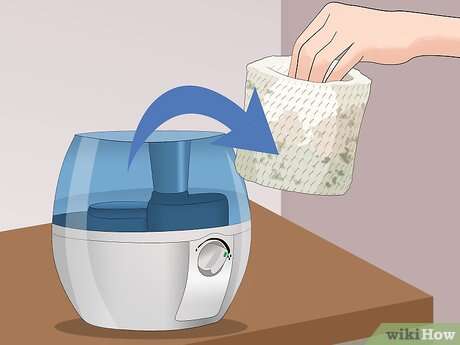
- Clean the humidifier monthly
- Replace pads yearly
- Check water lines
Small habits prevent big problems.

Credit: hvac-group.com
Common Furnace Humidifier Problems (And Simple Fixes You Can Do)
Even when you know what you should set your furnace humidifier at, problems can still pop up. The good news is most of them are easy to spot and fix.
Furnace Humidifier Is Not Adding Enough Moisture
If your home still feels dry, a few things may be wrong.
Most often, the humidifier pad is dirty. Mineral buildup blocks water flow. I’ve seen this many times. Once I replaced my pad, humidity improved within a day.
Also check:
- Water supply valve is open
- Drain line is not clogged
- Furnace fan is running properly
If water cannot move, moisture cannot move either.
Furnace Humidifier Is Leaking Water
Leaks usually come from:
- A blocked drain hose
- Loose connections
- Cracked tubing
Turn the system off first. Then inspect slowly. If water damage appears, fix it fast. Small leaks grow quickly.
White Dust or Bad Smell from Vents
White dust usually comes from minerals in hard water.
To fix it:
- Replace pads often
- Clean the humidifier monthly
- Use filtered water if possible
A bad smell often means bacteria growth. Cleaning solves this almost every time.

Credit: www.reddit.com
How Proper Humidity Lowers Energy Bills
Here’s something many homeowners miss.
When humidity is right, your home feels warmer. Because of that, you can lower your thermostat.
Even dropping it by one or two degrees saves money.
I did this myself. After dialing in humidity, I stopped bumping the heat up at night. My heating bill dropped the next month. Nothing else changed.
That’s why proper furnace humidifier settings are not just about comfort. They affect your wallet too.
How Often Should You Adjust Furnace Humidifier Settings?
This is a common question.
Here’s a simple rule:
- Adjust with season changes
- Adjust when outdoor temperature shifts a lot
- Adjust if windows fog or air feels dry
You don’t need to touch it daily. You just need to stay aware.
When to Call a Professional
Sometimes, DIY ends.
Call a professional if:
- Water keeps leaking
- Humidity never changes
- Mold appears
- Electrical issues show
A quick inspection can prevent costly repairs later.
Frequently Asked Questions (Detailed Answers)
What should I set my furnace humidifier at in very cold weather?
In very cold weather, especially below freezing, setting your furnace humidifier between 25% and 30% is safest. This prevents condensation on windows and walls while still adding enough moisture for comfort.
Can high humidity damage my furnace or HVAC system?
Yes, high humidity can damage your HVAC system over time. Moisture can lead to corrosion, mold growth inside ducts, and reduced system efficiency if not controlled properly.
Should I turn off my furnace humidifier in summer?
In most homes, yes. During summer, air conditioning already removes moisture from the air. Running a furnace humidifier in summer can raise humidity too high and increase mold risk.
How often should I clean my furnace humidifier?
You should clean your furnace humidifier at least once a month during heating season. This prevents mineral buildup, bacteria growth, and airflow issues that reduce performance.
Is 50% humidity too high in winter?
Yes, in most cold climates, 50% humidity in winter is too high. It often causes condensation on windows and can lead to mold growth inside walls.
Do all homes need a furnace humidifier?
Not all homes need one. Homes in dry climates or with forced-air heating benefit the most. If your home already stays above 35% humidity naturally, a humidifier may not be necessary.
Final Thoughts: Finding the Right Humidity for Your Home
If there’s one thing I want you to remember, it’s this:
👉 There is no single perfect number for every home.
However, there is a safe range.
For most homes:
- 30%–40% in winter
- 35%–45% in mild seasons
- Below 50% year-round
Start low. Adjust slowly. Watch your home.
That’s exactly how I learned. And once I stopped guessing and started observing, everything clicked.
When humidity is right:
- Your home feels warmer
- Your skin feels better
- Your furniture lasts longer
- Your energy bills drop
And most importantly, you feel comfortable in your own space.
If you ever wonder again, “What should I set my furnace humidifier at?”, come back to this guide. Your home will thank you.