What is a Humidifier Pad: Essential Guide for Cleaner Air
Winter air is dry. It hurts your skin. It makes your throat sore. I know this feeling well. Years ago, I woke up every day with a scratchy throat. I did not know why. I had a humidifier on my furnace. It was running. But the air was still dry.
I checked the machine. I opened the plastic cover. Inside, I found a block of white rock. It looked like a brick. It was not a brick. It was my old humidifier pad. It was solid with minerals. It could not hold water. It could not help my air.
That day, I learned a lesson. The pad is the heart of the system. If the heart stops, the system fails.
In this guide, I will share what I know. We will talk about what a humidifier pad is. We will talk about how it works. I will help you fix your dry air. Let’s make your home comfortable again.
What is a Humidifier Pad Exactly?
You might hear many names. Some call it a humidifier water panel. Others call it a filter. Some say evaporator pad. They are all the same thing.
Defining the Core Component
A humidifier pad is a simple part. It sits inside your humidifier. Its job is to hold water. Think of it like a sponge. But it is a special sponge. It allows air to pass through it.
When you turn on the heat, air moves. The fan blows hot air. This air moves through the wet pad. The water turns into gas. This is vapor. The vapor joins the air. Then, the wet air goes into your rooms. This makes the air feel soft.
The Science of Evaporation
The process is natural. It is called evaporation. Have you seen a puddle dry up? That is evaporation. The pad speeds this up.
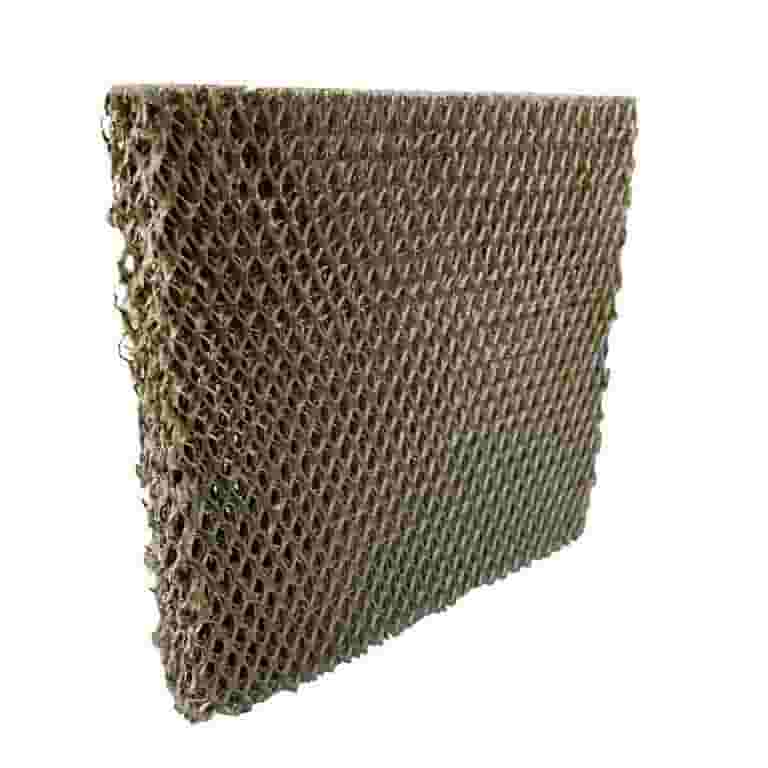
The pad has a mesh design. It has many small holes. This creates a large surface area. More surface area means more water can evaporate. It happens very fast.
If the pad is dry, nothing happens. If the pad is clogged, air cannot pass. Then, you just have hot, dry air. That is bad for your comfort.
Credit: www.walmart.com
Why This Small Part Matters So Much
It is just a small square. Usually, it is metal or paper. But it changes your whole home.
Impact on Health and Comfort
Dry air is not just annoying. It is bad for you. Viruses love dry air. Your nose needs moisture to work. When the air is dry, you get sick easier.
I follow the “40-60 Rule.” I try to keep humidity between 40% and 60%. This is the sweet spot.
- Below 30%: Your skin gets itchy.
- Above 60%: Mold can grow.
A clean humidifier water panel replacement keeps you in the sweet spot. It helps you sleep better. It helps your skin feel soft.
Protecting Your Home
Your house needs water too. Wood floors have water in them. Furniture has water in them. When the air is dry, it steals water. The wood shrinks. It cracks.
I have a cat named Mittens. One winter, the air was very dry. I petted Mittens. Zap! A blue spark hit my hand. We were both scared. This was static electricity. Dry air causes static. A good humidifier pad stops the shocks.
Types of Humidifier Pads
Not all pads are the same. You must pick the right one. The type depends on your machine.
Metal Mesh vs. Paper vs. Synthetic
There are three main types.
1. Metal Mesh (Clay-Coated)
This is very common. It is made of aluminum. The metal is expanded. This means it is stretched to make holes.
Then, it is dipped in clay. Why clay? Clay holds water. Metal does not hold water well. The clay acts like a wick. It soaks up the water. The air blows through the metal holes.
These are best for “flow-through” humidifiers.
2. Paper Pads
These look like cardboard. They are often white. You find these in drum humidifiers. A drum spins in a tray of water. The paper soaks up water from the tray.
These are cheaper. But, they can grow mold faster. You must watch them closely.
3. Synthetic Foam
These are rare now. They look like black sponges. They are washable. But they are not very efficient.
Humidifier Pad vs Filter: What is the Difference?
This confuses people.
A humidifier pad adds water.
A furnace filter removes dust.
They are different parts. They live in different spots. But sometimes, people call the pad a “humidifier filter.” This is because it catches some dust.
If you see white powder on your pad, that is not dust. That is mineral buildup. We will talk about that soon.

Credit: www.amazon.com
Deep Dive: Materials and Construction
Let’s look closer. Why are they made this way?
The Clay Coating Secret
I mentioned clay earlier. This is smart engineering. Raw aluminum is slippery. Water beads up on it. It drips off too fast. It does not evaporate.
Manufacturers coat the metal in a special clay. The clay is thirsty. It grabs the water. It spreads the water out. This creates a thin film of water.
Air hits this film. The water turns to vapor instantly.
Pro Tip: Do not scrub a metal pad. If you scrub it, you remove the clay. Then it is just useless metal.
Expanded Aluminum Mesh
Look at a metal pad. You see a pattern. It looks like a honeycomb.
This shape is vital. It lets air move freely. It does not block the furnace fan.
If the holes were smaller, the air would stop. Your furnace would overheat.
If the holes were bigger, there would be less water.
The design is a perfect balance.
When to Change Your Humidifier Water Panel
This is the big question. When is it time?
Signs Your Pad is Dead
I check mine every month. It takes two minutes. Here is what I look for.
1. The “Crunch” Test
I gently squeeze the pad. Does it feel soft? Or does it crunch?
If it crunches, it is full of minerals. It is time to change it.
2. Visual Cues
Look at the color. A new pad is usually white or gray.
An old pad has spots.
- Yellow or Brown: This is normal wear.
- White Crust: This is calcium. It blocks the air.
- Black or Green: This is mold. Throw it away immediately.
3. The Smell Test
Go to your vents. Sniff the air. Does it smell like a wet dog? Does it smell like a damp basement?
This means your pad is dirty. Bacteria is growing on it. You need a new one now.
Ideal Replacement Schedule
How often should you swap it?
Most experts say once per year.
I disagree.
I say twice per year.
Why?
It depends on your water.
I have hard water. It has lots of minerals. My pad gets clogged in two months.
If you have soft water, one year might be okay.
But for cleaner air, change it mid-winter. It is cheap insurance.
Step-by-Step: Humidifier Water Panel Replacement
Changing the pad is easy. You do not need a pro. I do it myself. Here is how I do it.
Safety First
Step 1: Go to your furnace.
Step 2: Find the switch. It looks like a light switch.
Step 3: Turn it off.
You do not want the fan to start. You do not want to touch moving parts.
Step 4: Wait five minutes. Let the heater cool down.
The Swap Process (My Routine)
1. Open the Casing
My humidifier is a box on the side of the furnace. It has a plastic cover.
Usually, there is a button on the bottom. Or maybe a clip on the top.
I press the button. The cover pops off.
2. Slide Out the Frame
Inside, there is a plastic frame. The pad is inside this frame.
I pull the frame out. It slides like a drawer.
Note: It might be wet. Have a towel ready.
3. Remove the Old Pad
I take the frame to the sink. I pop the top of the frame off.
I pull out the old, crusty pad. I put it in the trash.
4. Check the “Paint Mark”
This is important.
Look at your new pad. One side has a paint mark. Usually, it is a spot of spray paint.
This marks the top.
Why? The clay coating is directional. It helps water flow down.
If you put it upside down, it won’t work well.
Put the paint mark up.
5. Click and Close
I slide the new pad into the frame. I snap the frame shut.
I slide the frame back into the humidifier.
I put the cover back on.
I turn the power back on.
Done. It takes five minutes.

Credit: www.amazon.com
Furnace Humidifier Maintenance and Cleaning
People ask me, “Can I just wash it?”
Can You Clean a Humidifier Pad?
The short answer: No.
The long answer: It depends, but usually no.
If you have a metal, clay-coated pad:
Do not wash it.
Water washes away the clay. Vinegar eats the metal.
If you wash it, you ruin it. Just buy a new one. They cost about
10−10−
15.
If you have a foam pad:
Yes, you can rinse it. But foam holds bacteria. I still prefer to buy a new one.
How to Clean the Rest of the Unit
You cannot clean the pad. But you must clean the frame.
When I swap the pad, I see slime. This is algae. It grows in the tray.
My Cleaning Recipe:
- I take the plastic frame to the sink.
- I remove the old pad.
- I mix water and white vinegar. 50/50 mix.
- I wipe the frame with a cloth.
- The vinegar kills the mold. It dissolves the white crust.
- I rinse it well.
Also, check the drain line.
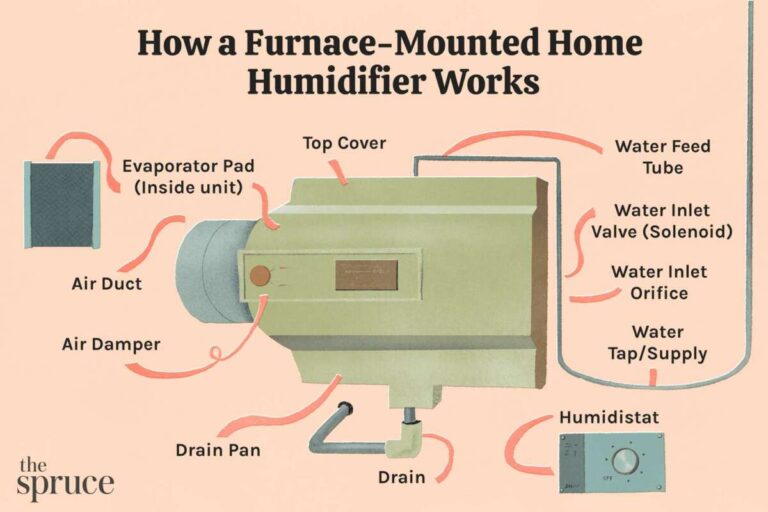
There is a small tube at the bottom. It drains extra water.
Sometimes, this gets clogged. If it clogs, your basement floods.
I blow air through the tube to check it.
This is how to clean humidifier pad housing properly.
Dealing with Hard Water
Do you have white spots on your dishes? That is hard water.
Hard water is tough on humidifiers.
The Mineral Enemy
Hard water has calcium. It has magnesium.
When water evaporates, these stay behind.
They form “scale.” It is like rock.
This clogs the mesh. Air cannot get through.
Best Humidifier Pad for Hard Water
If you have hard water, you have two choices.
Choice 1: Change it more often.
Accept that you need 2-3 pads a winter.
Choice 2: Use a synthetic pad.
Some brands make synthetic pads. They resist scale better.
However, metal pads hold more water.
I stick with metal pads. I just change them more.
Do not use water softeners for the humidifier.
Some people say this helps. But softeners add salt.
The salt can damage the metal mesh too.
It is a tricky balance.
Common Myths About Humidifier Pads
Let’s bust some myths.
“They Last Forever”
I had a neighbor. He said, “I haven’t changed mine in 5 years.”
I looked at it. It was black. It was solid.
His humidifier was doing nothing.
Even worse, he was breathing mold spores.
Pads do not last forever. They are disposable.
“All Pads Fit All Units”
No. Sizes are different.
You have Aprilaire. You have Honeywell. You have GeneralAire.
Size 10 is different from Size 35.
Check your manual. Or look at the old pad. The number is usually printed on it.
Using the wrong size is bad. Air will go around the pad. It won’t get wet.
Frequently Asked Questions (FAQ)
What does a humidifier pad do?
It holds water. Air blows through it. The water turns to vapor. This raises humidity in your home.
How often should I change the pad?
Change it at least once a year. If you have hard water, change it twice a winter.
Can I wash and reuse the pad?
If it is metal with clay, no. Washing ruins the coating. If it is foam, yes, but replacement is safer.
Why is my humidifier pad not getting wet?
Check the water line. The solenoid valve might be stuck. Or the drain line is clogged. The “humidistat” might be set too low.
Does the black paint mark matter?
Yes. It marks the top of the pad. It ensures water flows down evenly.
Conclusion
We have covered a lot.
You now know what is a humidifier pad.
It is a simple grid. But it is powerful.
It protects your health. It protects your wood floors. It stops the static shocks.
Don’t be like me years ago. Don’t let your pad turn into a brick.
Go downstairs. Check your furnace.
Open the box. Look at the pad.
Is it crusty? Is it dry?
If yes, change it.
It costs a few dollars. It takes five minutes.
But the reward is huge.
You will sleep better. Your throat will thank you.
Fresh, clean air is waiting for you.
Take action today. Breathe easier tomorrow.