
What Can I Put in Humidifier: Safe & Effective Additives Guide
You wake up. Your throat hurts. Your skin feels tight.
It is winter. The air is dry.
You look at your humidifier. It sits in the corner. It is a helpful machine. But it looks boring. You wonder, “Can I add something to it?”
Maybe you want it to smell good. Maybe you want to kill germs.
I have been there. I have tried things. Some things worked. Some things broke my machine.
I want to help you. I want you to be safe. I want your air to be clean.
This guide is for you. We will talk about what goes in. We will talk about what stays out. We will keep it simple.
The Golden Rule: It Starts With Water
Water is life. It is the fuel for your machine. But not all water is the same.
You might think water is just water. That is not true for humidifiers.
The wrong water causes big problems. It can hurt your lungs. It can break the machine.
Distilled Water vs Tap Water for Humidifier
This is the big choice.
Tap Water:
This comes from your sink. It is easy. It is cheap. But it is full of stuff. It has minerals. Calcium. Magnesium. Iron.
When the water turns to mist, the minerals go too. They fly into the air. They land on your furniture.
Distilled Water:
This water is pure. It has no minerals. It has no germs. It is just water.
Best Choice:
Distilled water is the best water for humidifier use.
It keeps the air clean. It stops dust. It helps the machine last longer.
My “White Dust” Disaster (Personal Experience)
Let me tell you a story.
A few years ago, I bought a nice humidifier. It was black and shiny. I put it in my living room.
I was lazy. I used tap water. My city has “hard water.” That means lots of minerals.
I ran it all night.
The next morning, I walked in. I was shocked.
My TV stand is black glass. It looked gray. There was a fine white powder everywhere. It was on the TV. It was on the couch. It was inside the electronics.
This was “white dust.” It was the minerals from the tap water.
I had to clean for hours. The dust can also hurt your lungs. If it is on the TV, it is in your breath.
Since then, I only use distilled water. It is worth it.
Why Filtered or Boiled Water Isn’t Enough
You might try to save money.
Boiled Water:
Boiling kills germs. That is good. But it does not remove minerals. The calcium stays in the pot. If you pour it in the machine, you still get white dust.
Filtered Water:
Fridge filters remove bad tastes. They remove some lead. They do not remove all minerals. They are better than straight tap water. But they are not perfect.
If you must choose, go for distilled.

Credit: www.amazon.com
Can I Add Essential Oils to My Humidifier?
We all love good smells. Lavender is calm. Peppermint is fresh.
So, essential oils in humidifier safety is a top question.
The answer? It depends on your machine.
The Risk to Your Machine
Most machines are made of plastic.
Essential oils are strong. They are powerful chemicals. They come from plants, but they are potent.
If you put oil in a standard water tank, bad things happen.
- Clogging: The oil is thick. It clogs the filter. It gums up the motor.
- Corrosion: The oil eats the plastic. It makes the tank weak.
My “Melted Tank” Story (Personal Experience)
I learned this the hard way too.
I had a small, cheap humidifier in my bedroom. I had a cold. I wanted to breathe better.
I grabbed a bottle of Eucalyptus oil. I dripped ten drops right into the water tank. I shook it up. I turned it on.
It smelled great for an hour.
Then, I heard a drip. Drip. Drip.
I turned on the light. There was water on my nightstand.
I looked at the tank. The bottom was cracked. The plastic felt soft and sticky. The eucalyptus oil had eaten through the tank.
I ruined my machine. I ruined my nightstand finish.
Do not do what I did.
How to Use Essential Oils Safely
You can use oils. But you must be smart.
Check your user manual. Look for a “scent tray” or “oil pad.”
Some machines have a small tray. It is near the air vent. It is not in the water.
You put drops on the pad. The air blows over the pad. It picks up the scent. This is safe. The oil does not touch the tank.
If your machine has no tray, do not use oils. Buy a separate diffuser.

Credit: www.aircare.com
Best Water for Humidifier and Scent Pairing
If you have a safe tray, use it.
Pair it with distilled water.
Clean water plus safe scent equals a happy home.
Safe Additives for Health and Wellness
Sometimes we are sick. We want relief.
There are humidifier additives for cold and flu. But be careful.
Vicks and Menthol Inhalants
Brands like Vicks make special fluids. They smell like menthol. They help you breathe.
Where do they go?
- Steam Vaporizers: These boil water. They often have a “medicine well” on top. You put the liquid there. The steam warms it up.
- Cool Mist: usually DO NOT take these liquids. They will clog.
Always read the label. If it says “For Vaporizer Only,” do not put it in a cool mist machine.
The Hydrogen Peroxide Myth
Some people say to add Hydrogen Peroxide. They say it kills mold.
This is risky.
Yes, peroxide kills germs. But you are breathing it. Vaporized peroxide can irritate your lungs. It can hurt your eyes.
It is better to clean your machine often. Do not rely on additives to kill germs while you breathe.
What You Must NEVER Put In A Humidifier
Some things are dangerous. Never put these in the tank.
Vinegar (The Cleaning vs. Running Confusion)
This is confusing.
You will see advice: “Cleaning humidifier with vinegar is good.”
This is true. Vinegar destroys mold. It removes scale.
BUT:
- You use it to soak the parts.
- You rinse it off.
- You do NOT run the machine with vinegar in it.
If you turn on the machine with vinegar, it sprays acid. Your room will smell sour. Your eyes will sting. Your lungs will burn.
Use vinegar to clean. Rinse it well. Then fill with water.
Perfumes and Colognes
Do not pour perfume in the water.
Perfume has alcohol. It has chemicals.
It will damage the plastic tank. It will release bad fumes. It is not made for lungs. It is made for skin.
Disinfectants and Bleach
Never. Ever.
Bleach in the air is toxic. Lysol in the air is toxic.
You will hurt your lungs. You could end up in the hospital.
Only use water.
Mouthwash or Salt
Some old tips say add salt.
Salt creates dust. It corrodes metal parts. It ruins the motor.
Mouthwash has sugar and alcohol. It will grow mold. It will gum up the parts.

Credit: www.dreo.com
Understanding Your Device Type
Knowing your machine helps you choose.
Ultrasonic Humidifiers
These are very popular. They are quiet. They have a cool mist.
- How they work: A metal plate vibrates fast. It breaks water into dust.
- Sensitivity: Very High.
- Additives: None. Use only distilled water. The plate breaks easily.
Evaporative Humidifiers
These have a fan. They have a wet filter (wick).
- How they work: The fan blows air through the wet wick.
- Sensitivity: Medium.
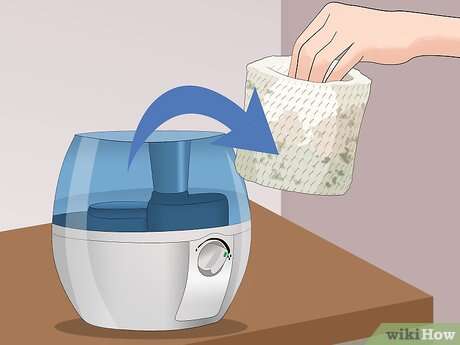
- Additives: The wick traps minerals. So tap water is okay, but filters get dirty fast. Oils will ruin the filter.
Warm Mist Vaporizers
These boil the water.
- How they work: A heating element makes steam.
- Sensitivity: Low.
- Additives: Some allow medicinal fluids in a special cup.
The “Humidifier Lung” Risk and Prevention
This sounds scary. It is real.
Humidifier Lung is a sickness. It feels like the flu.
What is it?
It happens when you breathe dirty mist.
If mold grows in the tank, the machine sprays mold. If bacteria grow, it sprays bacteria.
You breathe it in. Your lungs get inflamed.
How dirty additives cause it
Using tap water feeds bacteria. Using oils can create slime.
This slime protects the germs.
Routine Cleaning Guide
To stay safe, clean often.
- Daily: Dump old water. Rinse. Dry. Refill.
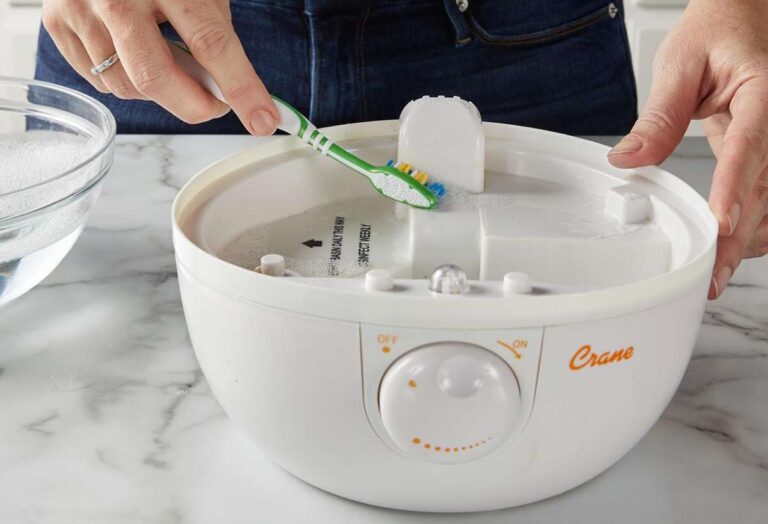
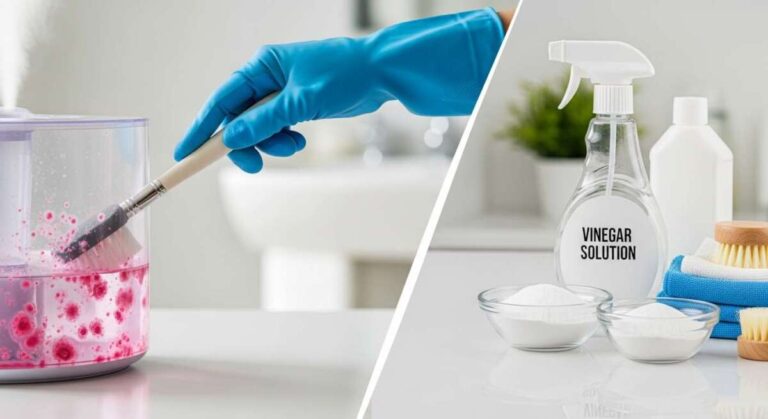
- Weekly: Soak the tank in vinegar for 20 minutes. Scrub. Rinse very well.
- Disinfect: Once a month, use a mix of water and a tiny bit of bleach (1 teaspoon per gallon) to soak the tank. RINSE UNTIL THE SMELL IS GONE.
Seasonal Adjustments and Tips
Your needs change with the weather.
Winter Humidity Settings
In winter, air is dry.
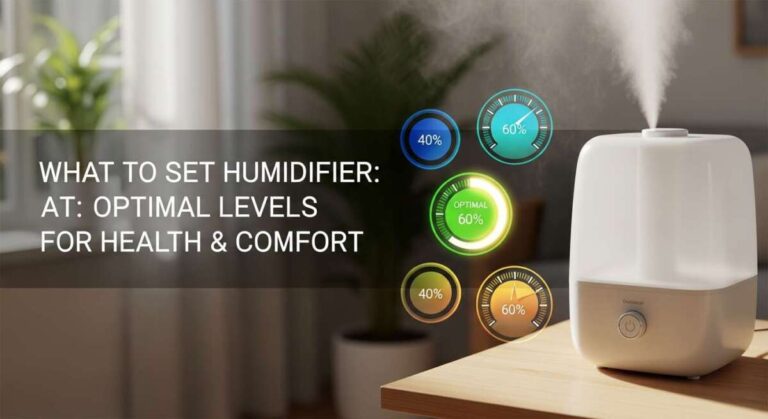
Aim for 30% to 50% humidity.
If it goes over 50%, mold grows on walls.
Buy a hygrometer. It is a cheap tool. It tells you the humidity number.
Summer Storage Tips
When winter ends, you stop using it.
Do not just leave it full of water.
- Empty it completely.
- Clean it with vinegar.
- Let it dry for two days.
- Store it in a dry place.
If you leave water in it, you will find a science experiment next winter. It will be gross.
Frequently Asked Questions (FAQs)
What liquid is safe to put in a humidifier?
The only 100% safe liquid is distilled water. It is pure. It protects your machine. It protects your lungs from white dust.
Can I put vinegar in my humidifier to clean the air?
No. Never run the machine with vinegar. It hurts your eyes and lungs. Only use vinegar to clean the empty tank, then rinse it out.
Is tap water bad for humidifiers?
Yes, usually. Tap water has minerals. These minerals turn into white dust. They can also help bacteria grow. Distilled water is much better.
Can I put lemon juice in my humidifier?
No. The acid in lemon juice damages the plastic. The sugar in the juice feeds mold. It will ruin the machine and make the air dirty.
How often should I clean my humidifier?
Rinse it every day. Do a deep clean with vinegar once a week. This stops “Humidifier Lung” and keeps the air fresh.
Conclusion
We covered a lot.
We learned about the “White Dust” mess. We learned about the “Melted Tank.”
Using a humidifier is great. It helps you sleep. It helps your skin.
But simple is best.
Stick to distilled water. Avoid the fancy additives unless you have a special tray.
Treat your machine well. It will treat you well.
Clean it often. Watch the humidity levels.
Now, go fill your tank with fresh, clean water. Take a deep breath. Enjoy the comfort. You know exactly what to do.