
How To Work A Humidifier: Easy Step-By-Step Guide
Fill the tank, set the desired humidity, turn it on, and clean it regularly for safe use.
As someone who has tested and used humidifiers for years, I’ll walk you through exactly how to work a humidifier. This guide explains the main types, step-by-step setup, daily use, cleaning, safety tips, and real-world advice. Read on to get clear, practical steps so you can run your humidifier with confidence and avoid common mistakes.
How humidifiers work
A humidifier adds moisture to the air. Knowing how to work a humidifier starts with understanding how it makes that moisture.
There are three common methods it uses:
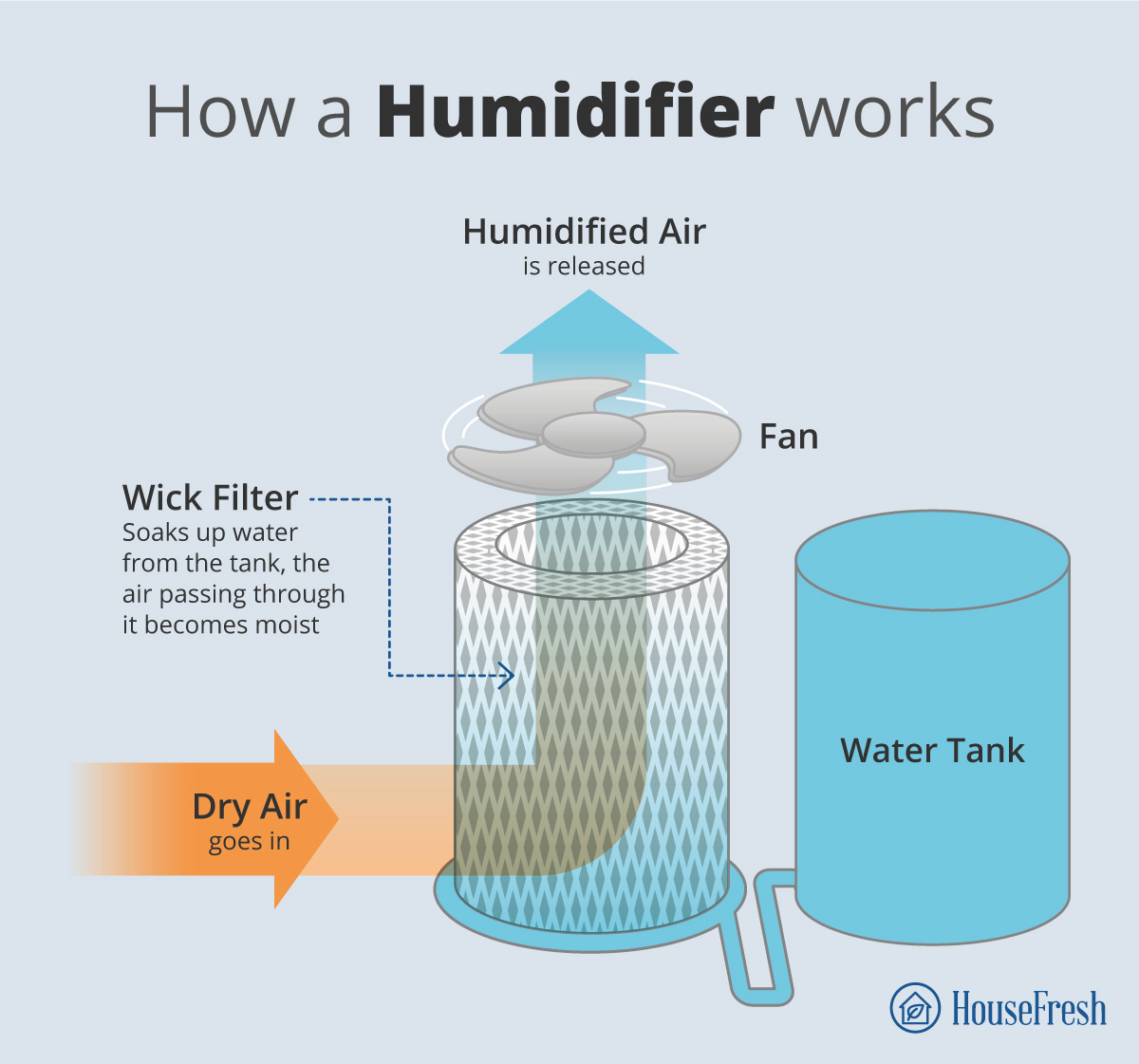
- Evaporative units pull air over a wet wick or filter to release vapor.
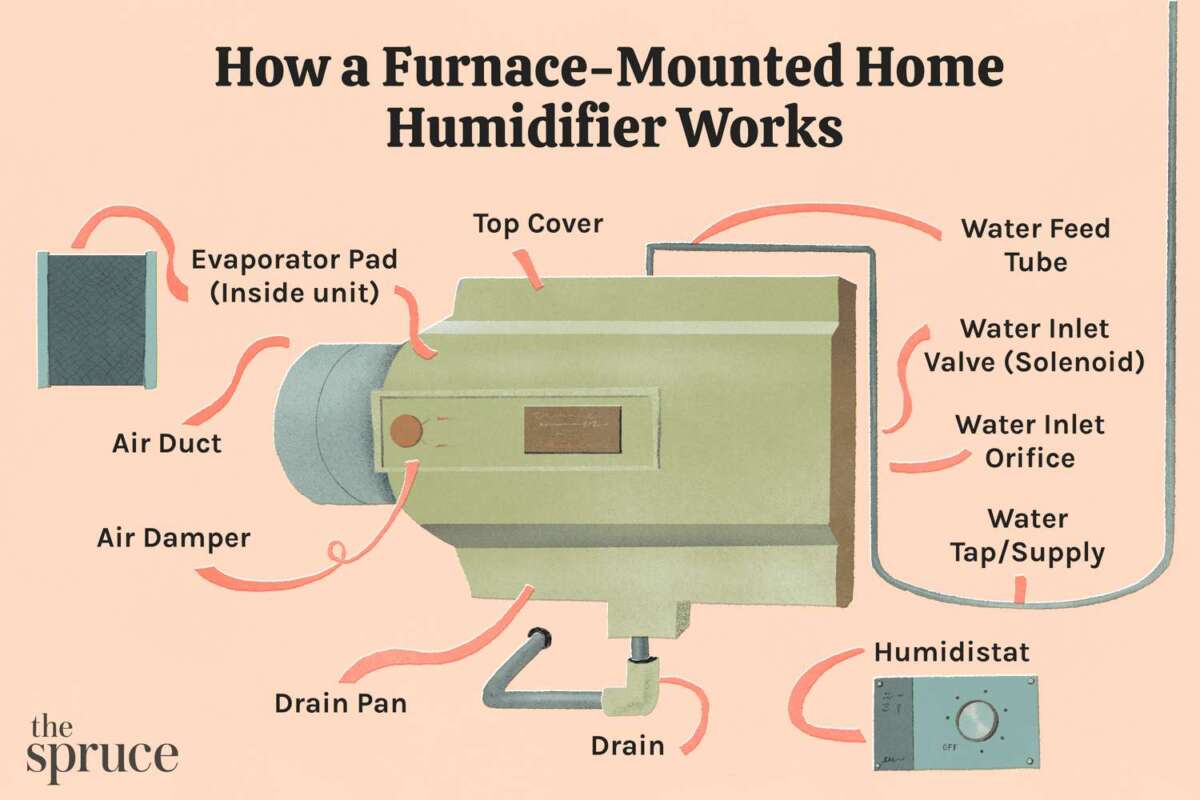
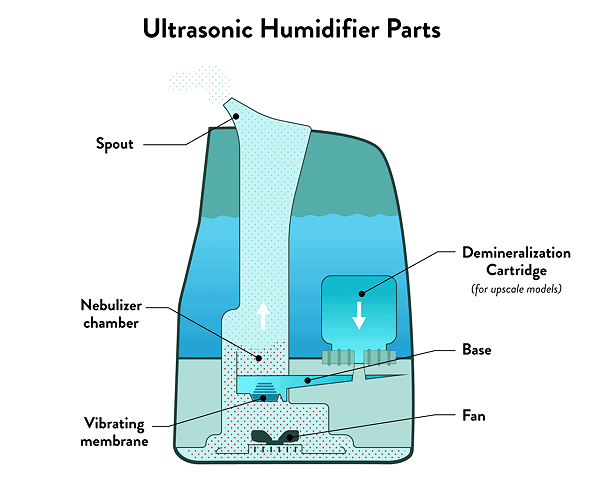
- Ultrasonic units vibrate a diaphragm to create a fine mist.
- Warm-mist (steam) units boil water and release steam.
Each method affects noise, energy use, and mineral output. When you know the method, you can pick settings and maintenance that match your home and water type. This knowledge is the first step to learning how to work a humidifier well.
Types of humidifiers and what they mean for use
Choosing a humidifier type changes how you work it. Here are the main types and what to expect during use.
- Evaporative (wick) humidifiers
- Good for whole rooms. They are self-regulating and safe to run.
- They need wick or filter changes and can be noisy.
- Ultrasonic humidifiers
- Quiet and energy efficient.
- They produce visible mist and can spread minerals if you use hard water.
- Warm-mist (steam) humidifiers
- Kill most bacteria in the water by boiling it.
- Use more power and must be kept away from kids.
- Console or whole-house units
- Built for larger spaces. Often need a professional install.
- They require more maintenance but work well for whole-home humidity control.
Knowing the type helps you understand how to work a humidifier for best results.

Step-by-step: How to work a humidifier safely and effectively
Follow these clear steps to set up and operate your humidifier. These steps apply whether you have an ultrasonic, evaporative, or steam model.
- Unbox and read the quick start guide.
- Place the unit on a flat, level surface. Keep it 2 to 3 feet away from walls and furniture.
- Fill the tank with clean water. Use distilled water if you have hard water.
- Close the tank securely and place it on the base.
- Plug in and turn on the unit.
- Set the humidity target. Aim for 30 to 50 percent relative humidity.
- Use a humidistat or the unit’s built-in control to maintain the level.
- Run the unit as needed. Lower settings often mean quieter and longer runtimes.
- Check daily water level. Refill when low and empty if not in use for long.
- Follow the manufacturer’s schedule for filter or cartridge changes.
When first learning how to work a humidifier, test settings overnight. Adjust to avoid visible condensation on windows or walls. Visible condensation means humidity is too high.

Maintenance and cleaning: keep your humidifier safe
Cleaning is the most important habit for anyone learning how to work a humidifier. Dirty units can grow mold and bacteria.
- Daily care
- Empty and dry the tank daily if you run it often.
- Refill with fresh water each day.
- Weekly cleaning
- Disassemble. Wipe all parts with mild soap and water.
- Use a 1:1 vinegar-and-water soak to remove mineral deposits.
- Disinfect monthly
- Use a weak bleach solution (one teaspoon per gallon) or follow the maker’s method.
- Rinse thoroughly after disinfecting.
- Filter and cartridge care
- Replace filters on schedule. Do not try to clean disposable filters.
- Rinse reusable pads and replace when worn.
- Hard-water tips
- Use distilled water or a demineralization cartridge to avoid white dust.
Good maintenance is how to work a humidifier without risking health issues. Keep a short checklist by the unit so you don’t skip steps.
Safety, troubleshooting, and common mistakes
Avoiding common errors makes learning how to work a humidifier much easier. Follow these safety tips.
- Prevent over-humidifying
- Use a hygrometer to monitor room humidity. Stop if it rises above 50 percent.
- Watch for mineral dust
- If you see white dust, switch to distilled water or use a demineralization filter.
- Keep away from electronics and wood
- Place the unit on a waterproof surface.
- Child and pet safety
- Warm-mist units pose burn risks. Place high out of reach.
- Troubleshooting quick fixes
- Unit not running: check power and tank placement.
- No mist: clean the ultrasonic diaphragm or replace the wick.
- Strange smell: deep clean and replace filters.
These common fixes show you how to work a humidifier so it runs longer and stays safe.

Benefits and limitations to expect
Understanding benefits and limits helps you set realistic goals when learning how to work a humidifier.
Benefits:
- Eases dry skin, nose, and throat symptoms.
- Helps preserve wooden furniture and instruments.
- Can reduce static electricity.
Limitations:
- Not a cure for allergies or infections.
- Can worsen mold if misused.
- Some models need frequent upkeep.
Use a humidifier as a tool, not a cure-all. Match the device to your room size and needs.
:max_bytes(150000):strip_icc()/anatomy-of-the-home-furnace-humidifier-1824773color-d41575bdba834fd59ac29178949a1e2a.png)
Personal experience and expert tips
I have used humidifiers in small apartments and larger homes. I tested over ten models across three winters. These are the best practical tips I learned.
- Use distilled water to cut cleaning time. It saves work and reduces white dust.
- Place a hygrometer near the unit and one across the room. Humidity varies by spot.
- Avoid constant high settings. Lower, steady humidity feels better and uses less energy.
- Schedule filter changes on your phone calendar. I learned the hard way when a clogged wick reduced output.
- If you have pets, clean more often. Pets add organic material to the water by shedding.
These hands-on tips show how to work a humidifier in real life, not just in theory.

Frequently Asked Questions of how to work a humidifier
How often should I fill my humidifier?
Most small-room humidifiers need a refill every 24 hours at medium to high settings. Larger tanks can run for several days, so check the water level daily.
Can I use tap water in my humidifier?
Tap water works but can leave mineral deposits and white dust. Distilled water reduces deposits and keeps the unit cleaner.
What humidity level should I set?
Aim for 30 to 50 percent relative humidity. Below 30 percent is too dry; above 50 percent can promote mold.
How do I know if my humidifier is working properly?
Check for fine mist or warm steam depending on type, stable humidity readings, and no odd smells. Regular cleaning keeps performance steady.
Is it safe to run a humidifier all night?
Yes, if levels stay between 30 and 50 percent and the unit is clean. Use a low setting and a hygrometer to avoid over-humidifying.
How do I remove white dust from my room?
White dust comes from minerals in tap water. Use distilled water or a demineralization cartridge to stop the dust.
Conclusion
Learning how to work a humidifier means choosing the right type, setting it up properly, and keeping it clean. Follow the step-by-step guide, monitor humidity, and perform regular maintenance to enjoy the benefits without risks. Start with one simple habit today: clean the tank weekly. Try this, and you’ll see better air and fewer problems. Leave a comment with your model and questions, or subscribe for more home comfort tips.