
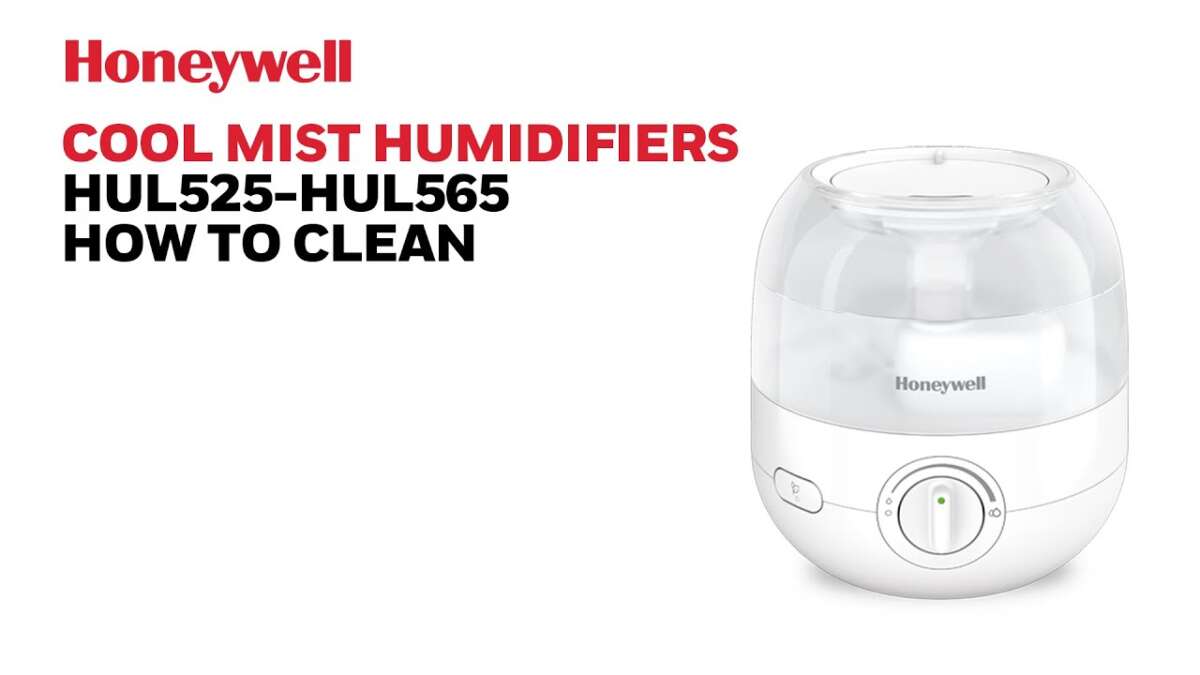
How To Clean Honeywell Humidifier: Quick Step-By-Step Guide
Clean by emptying, scrubbing, descaling with vinegar, rinsing, and air-drying all parts weekly.
I’ve cleaned dozens of humidifiers in homes and offices, and I’ll walk you through exactly how to clean Honeywell humidifier models safely and effectively. This guide covers tools, step-by-step instructions, model-specific tips, common mistakes I’ve seen, and simple maintenance plans so your Honeywell humidifier runs cleaner, lasts longer, and keeps your air healthy.
Why regular cleaning matters for your Honeywell humidifier
A dirty humidifier can spray bacteria, mold, and mineral dust into the air. That raises allergy and asthma risks and shortens the machine’s life. Cleaning prevents buildup, keeps output steady, and maintains indoor air quality.
I’ve seen units clog in a month when owners skipped simple rinses. Regular cleaning prevents those surprises and saves money on filters and repairs. Follow these steps for how to clean Honeywell humidifier safely and efficiently.

What you’ll need before cleaning
Gather supplies before you start. Small prep saves time and avoids mistakes.
- White distilled vinegar for descaling mineral deposits.
- Liquid dish soap for general cleaning.
- Soft brush or toothbrush for scrubbing small areas.
- Clean cloths or paper towels for wiping and drying.
- Plastic or glass container for mixing vinegar and water.
- Gloves to protect skin from long contact with vinegar or cleaner.
- Replacement filter if the model uses one and it’s old or damaged.
Step-by-step: How to clean Honeywell humidifier (easy routine)
This routine covers most Honeywell humidifier models. Do a quick clean weekly and a deep clean monthly.
- Turn off and unplug the humidifier
- Empty the water tank and base into a sink
- Rinse the tank with warm tap water to remove loose debris
- Mix a solution of one part white vinegar to one part water
- Fill the tank halfway with the vinegar solution and swish it to contact all inside surfaces; let sit 20–30 minutes
- Use a soft brush or toothbrush to scrub corners, the fill opening, and the tank threads
- Pour remaining solution into the base and scrub areas where water sits
- Rinse the tank and base thoroughly with clean water until the vinegar smell is gone
- Wash detachable trays, filters, or screens with mild soap and water; rinse well
- Wipe the exterior with a damp cloth and let all parts air dry completely before reassembly
Tips for effectiveness:
- Replace disposable or foam filters as recommended by Honeywell or when visibly dirty.
- For mineral scale that’s stubborn, soak only the scale areas in undiluted vinegar for 1–2 hours, then scrub.
- Never immerse the electrical base or portions with motors in water.
I’ve learned packing cleaning into a weekend routine prevents the hassle of heavy descaling later. A quick weekly rinse keeps the machine working and fresh.
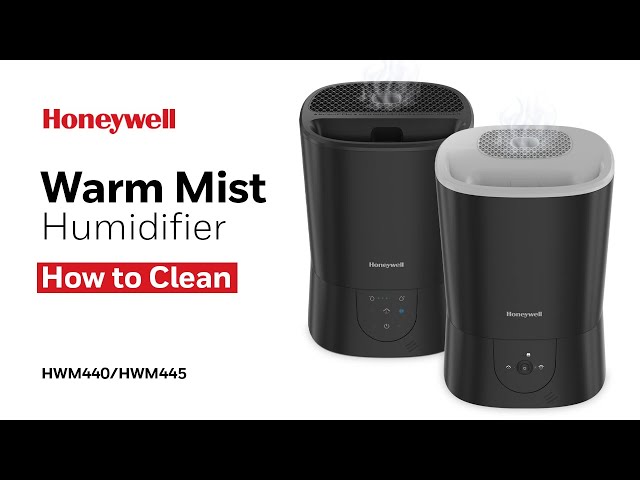
How often to clean: schedule and maintenance
Timing depends on water hardness and usage. Use this simple plan for how to clean Honeywell humidifier and keep it reliable.
- Quick clean weekly
- Empty tank, rinse, and air dry between uses.
- Deep clean monthly
- Descale and sanitize tank and base with vinegar and soap.
- Replace filters
- Check monthly and replace as the manual suggests or when clogged.
- Seasonal storage
- Clean thoroughly, dry every part, and store in a dry place.
Hard water requires more frequent descaling. If you see white dust around vents or output, increase cleaning frequency.

Cleaning tips for specific Honeywell humidifier models
Different models share steps but have model-specific parts. Here’s how to clean Honeywell humidifier types you’re likely to own.
- Cool-mist evaporative units
- Remove and clean the wick or filter. Replace when discolored or brittle. Descale the water tray and fan area.
- Ultrasonic and warm-mist models
- Descale more often because mineral mist can coat the transducer or heating element. Avoid soap on ultrasonic discs—use vinegar and gentle brushing.
- Console or whole-home Honeywell units
- Follow the manual for filter and cartridge removal. Expect larger tanks and built-in filters that need professional servicing annually.
- Portable tabletop models
- Most are simple: tank, base, and filter. These respond well to the basic vinegar routine.
When in doubt, consult your model’s manual. If a part looks worn or corroded, replace it rather than risk performance loss.

Safe sanitizing methods and things to avoid
Sanitizing keeps bacteria from growing. Use safe solutions and avoid damaging parts.
Safe methods:
- Vinegar soaks for descaling
- Mild soap and water for general cleaning
- A diluted bleach solution (1 teaspoon bleach per gallon of water) for occasional sanitizing, followed by thorough rinsing and airing, if manufacturer allows
Avoid:
- Abrasive pads or strong scrubbing that can scratch tanks
- Harsh chemical cleaners that can leave residues
- Running the humidifier with unfiltered tap water if your water is very hard; consider distilled water
I once used a strong household cleaner on a plastic tank and saw clouding and cracks. Stick to gentle, approved cleaners.
Troubleshooting common cleaning problems
If your humidifier still smells or operates poorly after cleaning, try these checks.
- Persistent odor
- Deep clean again and sanitize with a diluted bleach solution if safe for your model. Replace the filter if smell remains.
- Low mist output
- Check mineral buildup on nozzles and ultrasonic discs. Descale as needed and ensure the tank is seated properly.
- No power or unusual noise
- Inspect the base for mineral buildup around the motor, and ensure electrical components stayed dry during cleaning.
If persistent issues remain after cleaning and basic troubleshooting, contact Honeywell support or a qualified technician.
Personal experience: mistakes I’ve made and lessons learned
I once left a tank upside down to dry and forgot a small drip tray. That led to a tiny mold spot that spread between cleanings. I learned three key lessons.
- Always dry parts fully before reassembly.
- Label filter replacement dates on the tank to avoid guesswork.
- Use distilled water when possible to reduce mineral buildup.
These small habits keep maintenance easy and prevent common failures.
Quick answers to common cleaning questions
How often should I deep clean my Honeywell humidifier?
Deep clean once a month, or more often if you use hard water or see visible deposits.
Can I use vinegar on all Honeywell models?
Vinegar is safe for most plastic tanks and bases; avoid prolonged exposure to metal parts and always rinse well.
Will cleaning remove mineral deposits completely?
Regular descaling removes most deposits, but heavy buildup may require repeated soaks or a replacement part over time.
Frequently Asked Questions of how to clean honeywell humidifier
How do I clean the filter in my Honeywell humidifier?
Remove the filter and rinse under cool water to remove loose debris. If the filter is discolored, misshapen, or still dirty after rinsing, replace it according to the manual.
Is vinegar safe for sanitizing Honeywell humidifiers?
Yes, white distilled vinegar is safe for descaling plastic tanks and bases and helps remove mineral buildup. Rinse thoroughly after using vinegar to remove any odor.
Can I use bleach to sanitize my humidifier?
A very dilute bleach solution can sanitize parts if the manufacturer allows it; always rinse thoroughly and follow the model’s care instructions. Use bleach sparingly and only if other methods don’t remove bacteria or mold.
How long do I let the vinegar sit in the tank?
Let the vinegar solution sit 20–30 minutes for a regular clean; for heavy scale, soak targeted areas for up to two hours. Never leave vinegar on electrical components.
Should I use distilled water in my humidifier?
Using distilled water reduces mineral deposits and white dust, making cleaning easier and extending the life of the unit. It’s a good investment if you have hard tap water.
My humidifier still smells after cleaning. What now?
Sanitize with a diluted bleach solution if allowed by your model, then rinse and air dry. Replace filters or foam pads if odor persists.
Conclusion
Cleaning your Honeywell humidifier is simple, important, and worth a few minutes each week. Follow the step-by-step routine, adapt it to your model, and schedule monthly deep cleans to avoid buildup, odors, and health risks. Start today: empty the tank, do a quick rinse, and mark a monthly date on your calendar to deep clean—your air and your unit will thank you. Leave a comment with your model and I’ll help tailor a cleaning plan.