How To Clean Headphone Pads: Quick Hygienic Guide
Gently wipe removable pads with mild soap and water; deep-clean carefully, dry fully before reuse.
I’ve cleaned hundreds of headphone pads in my years as an audio tech and review writer. This guide on how to clean headphone pads explains safe steps, tools, and tips for every pad type. You’ll learn quick methods, deep-clean techniques, and signs that mean it’s time to replace pads. Read on to protect sound, comfort, and hygiene with simple, proven care.

Why cleaning headphone pads matters
Dirty pads sound and feel worse. Oils, sweat, and dirt break down foam and cover materials. Bacteria build up on pads that touch skin. Cleaning extends pad life and keeps sound clean. Knowing how to clean headphone pads saves money and keeps your gear comfy.

Know your pad material
Different materials need different care. Before you clean, identify the pad type. Here are common pad materials and how they react to cleaning.
Leather and faux leather (pleather)
Leather and pleather resist water poorly. Light wipes and gentle cleaners work best. Avoid soaking. Use a soft cloth and mild soap.
Velour and fabric
Velour and fabric absorb liquids. They handle water better but need careful drying. Use minimal moisture and air-dry completely.
Open-cell foam and memory foam (inner pads)
Foam cores soak up water and take long to dry. Remove covers when possible. Use gentle soap and only slightly damp cloths for surface dirt.
Hybrid and mesh
Mesh breathes well but traps dust. A soft brush and low-moisture wipes usually do the job.
Sealed or non-removable pads
Some pads are glued or sealed to cups. You must avoid soaking these. Surface cleaning is safest.

Tools and supplies you’ll need
Gather simple items before you start. Cleaners must be mild and non-abrasive.
- Soft microfiber cloth for wiping.
- Mild dish soap or gentle fabric cleaner.
- Isopropyl alcohol 70% for light disinfection (use sparingly).
- Cotton swabs for seams and crevices.
- Small soft brush or toothbrush for velour and mesh.
- Two bowls: one with clean water and one with diluted soap.
- Paper towels or clean lint-free towel for drying.
- Replacement pads if the old ones are cracked or misshapen.

Step-by-step: How to clean headphone pads (removable pads)
These steps work for most removable pads. Follow them slowly and keep parts dry.
- Remove pads gently.
- Shake off dust and crumbs.
- Mix a small amount of mild soap with warm water.
- Dip a microfiber cloth into the solution and wring it well.
- Wipe both sides of the pad cover. For fabrics, blot rather than rub.
- For stains, use a soft brush with light pressure.
- Rinse the cloth in clean water and wipe down to remove soap.
- Pat pads with a towel to remove excess water.
- Air-dry fully for 24 hours in a warm, dry spot away from direct sun.
- Reattach only when fully dry.
Repeat this routine every 2–3 months or sooner if you sweat a lot. Knowing how to clean headphone pads means better smell control and longer pad life.
Cleaning non-removable pads and on-ear headbands
Non-removable pads need gentle surface care. Don’t pry or soak them.
- Power off and unplug the headphones.
- Use a barely damp microfiber cloth with mild soap.
- Wipe with light pressure. Do not let moisture drip inside cups.
- Use cotton swabs for seams.
- For disinfection, lightly dampen a cloth with 70% isopropyl alcohol and wipe. Do not saturate.
- Let the headphones air dry for several hours.
If you smell persistent odor or feel softness loss, consider professional help or replacement. Knowing how to clean headphone pads that aren’t removable prevents damage to drivers.

Deep cleaning, disinfection, and when to replace pads
Some situations need deeper care or replacement.
- For sweat stains and odors, a diluted vinegar solution (1:4 vinegar to water) can help. Use very small amounts and rinse with clean water.
- Use alcohol wipes sparingly. Alcohol can dry out leather and pleather. Test a small area first.
- Do not machine-wash pads unless the manufacturer says it’s safe.
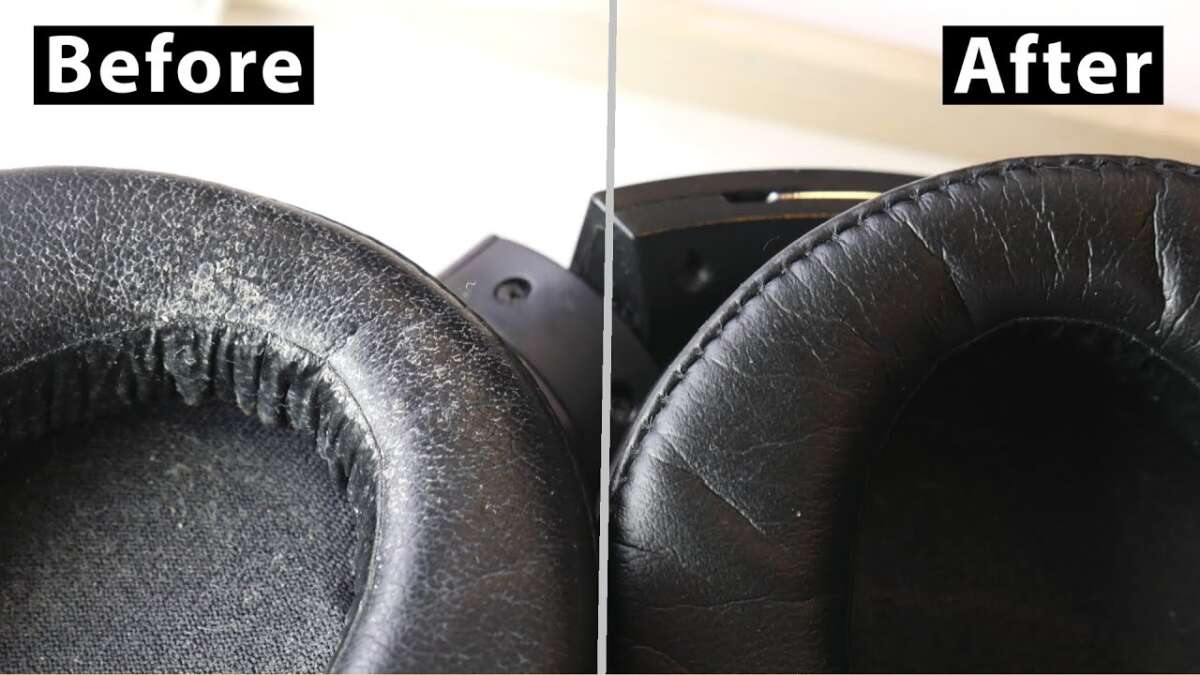
- Replace pads when foam loses shape, cover material cracks, or sound changes. Replacement is often cheaper and safer than repeated heavy cleaning.
As an audio technician, I once tried heavy alcohol cleaning on pleather. The pads cracked after a year. Lesson learned: be gentle and replace when needed.

Quick tips, common mistakes, and personal lessons
Small habits make a big difference.
- Tip: Remove pads briefly after use to air them out.
- Tip: Store headphones in a case to limit dust and sweat exposure.
- Mistake: Using harsh cleaners or soaking pads. This warps foam and ruins covers.
- Mistake: Reattaching pads before they dry. This traps moisture and breeds mildew.
- Personal note: I keep a spare pair of pads for long listening sessions and for testing cleaning methods. This saved me from losing a favorite pair to a bad cleaning experiment.
These tips come from hands-on repair work and many headphone reviews. They help you avoid common pitfalls when you clean headphone pads.

Common user questions (PAA-style)
What is the safest way to remove sweat smell from pads?
- Use a light soap wipe followed by air-drying. For stubborn odors, try a diluted vinegar wipe then rinse lightly.
Can I use alcohol wipes on headphone pads?
- Use alcohol wipes sparingly for quick disinfection. Test a small hidden area first. Avoid heavy use on leather and pleather.
How often should I clean headphone pads?
- Clean surface dirt every 2–4 weeks if you use them daily. Deep clean removable pads every 2–3 months.
Will cleaning change the sound of my headphones?
- Cleaning covers usually does not affect sound. However, soaking or damaging foam can change fit and bass response.
Are DIY replacements easy to install?
- Many pads snap on or use simple fittings. Some high-end models need care. Follow the manufacturer guide when available.

Frequently Asked Questions of how to clean headphone pads
What is the best cleaner to use on headphone pads?
Use mild dish soap and warm water for most materials. For light disinfection, use 70% isopropyl alcohol sparingly and test first.
Can I wash headphone pads in a washing machine?
Most pads should not be machine-washed. Only do this if the manufacturer explicitly allows machine washing.
How long do headphone pads need to dry after cleaning?
Drying usually takes 12–24 hours. Foam and thick covers may take longer. Ensure they are fully dry before reattaching.
How often should I replace headphone pads?
Replace when the foam is flattened, the cover cracks, or the pads smell despite cleaning. Typical life is 1–3 years depending on use.
Can cleaning improve headphone hygiene enough to share headphones?
Cleaning helps, but sharing still poses hygiene risks. Consider using replaceable disposable covers or earbuds for shared use.
Conclusion
You now have clear, safe steps for how to clean headphone pads for every common material. Clean pads mean better comfort, better sound fit, and better hygiene. Start with gentle care, dry fully, and replace pads when they show wear. Try these tips on your next cleaning, track what works, and leave a note below with your experience or questions.