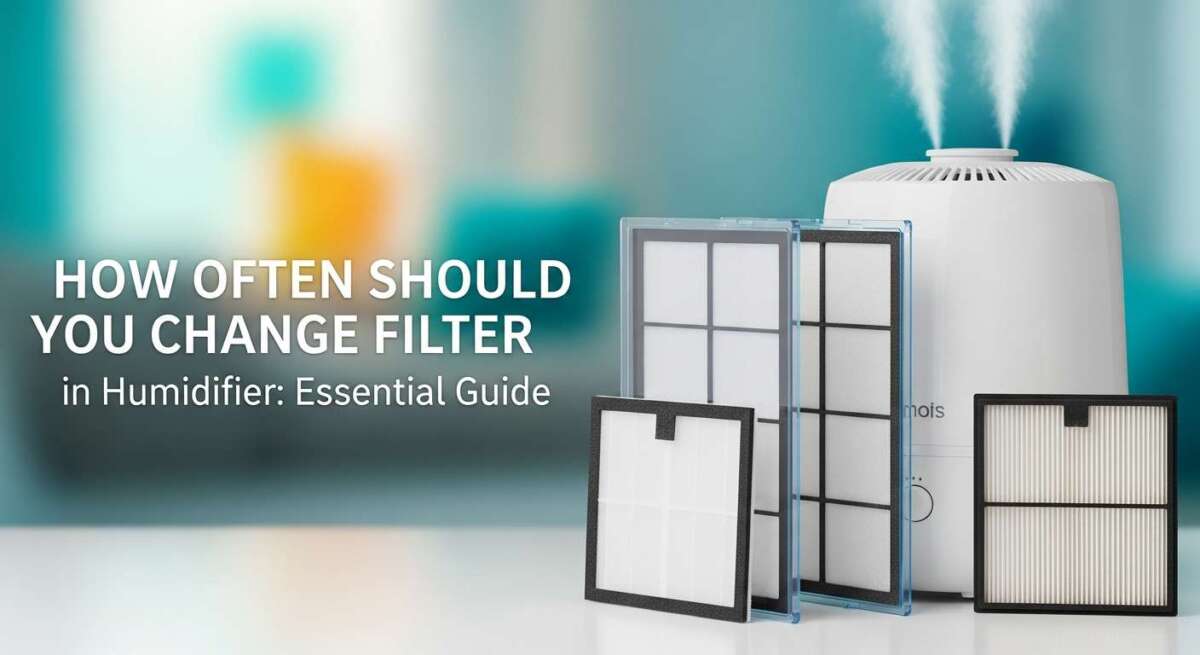
How Often Should You Change Filter in Humidifier: Essential Guide
If you’re asking how often should you change filter in humidifier, you’re already doing something right.
Most people don’t think about humidifier filters at all. They fill the tank, turn the machine on, and walk away. I did the same thing for years. However, I learned the hard way that ignoring the filter can hurt air quality, health, and the humidifier itself.
So let me walk you through this in a simple way. I’ll talk to you like a friend, not like a repair manual. I’ll also share what I learned from personal experience and expert guidance, so you can avoid common mistakes.
By the end, you’ll know exactly when to replace a humidifier filter, how to spot problems early, and how to keep your air clean without stress.
What Does a Humidifier Filter Actually Do?
Before we talk about timing, let’s slow down for a moment.
A humidifier filter does one main job.
It traps dirt, dust, minerals, and germs before moisture goes into your air.
That matters because humidifiers pull water from a tank and push moisture into the room. If the filter is dirty, it sends dirty air back to you.
Think of the filter like a coffee filter.
At first, it works great.
Over time, it fills up.
Then it stops doing its job.
Because humidifiers deal with moisture, filters get dirty faster than many people expect.
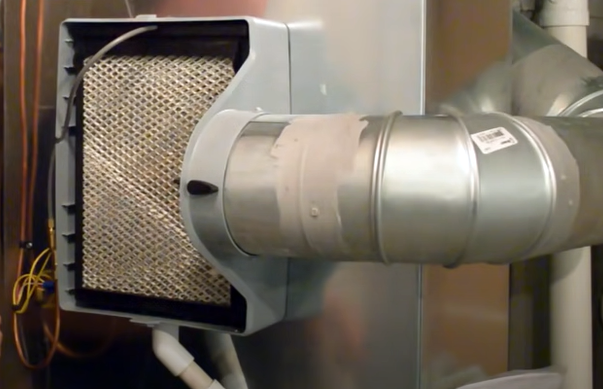
Credit: heatingandcoolingwichitaks.com
Why Changing a Humidifier Filter Matters More Than You Think
This part is important, so stay with me.
1. It Protects Your Air Quality
A clean filter helps trap:
- Dust
- Pet dander
- Mold spores
- Mineral dust
When filters clog, those particles go straight into your air.
According to the Environmental Protection Agency, indoor air can be two to five times more polluted than outdoor air. A dirty humidifier filter makes that worse.
2. It Helps Prevent Mold and Bacteria
Warm water plus moisture equals a perfect home for mold.
I learned this the hard way.
One winter, I noticed a musty smell in my bedroom. At first, I blamed old carpets. Then I checked my humidifier. The filter was dark, stiff, and smelled awful. I had not changed it in months.
That filter was spreading mold into the room.
The Centers for Disease Control and Prevention warns that mold can trigger allergies, asthma, and breathing problems. This risk is higher for kids and older adults.
3. It Keeps Your Humidifier Working Well
A dirty filter blocks airflow.
That forces the machine to work harder.
Over time, this leads to:
- Lower mist output
- Loud operation
- Shorter humidifier life
- Higher energy use
Changing a filter is cheap. Replacing a humidifier is not.
How Often Should You Change Filter in Humidifier? (Simple Answer)
Let’s get straight to the point.
Most humidifier filters should be replaced every 1 to 3 months.
That is the general rule.
However, this depends on how you use the humidifier and where you live.
Here is a simple breakdown:
- Daily use: every 30–45 days
- Moderate use: every 2 months
- Light or seasonal use: every 3 months
If you ever feel unsure, trust your senses.
If it smells bad, looks dirty, or stops working well, replace it.
Factors That Change How Often You Replace a Humidifier Filter
Not all homes are the same. Because of that, filter life changes.
How Often You Use the Humidifier
If your humidifier runs all day and night, the filter works harder.
Daily use = faster buildup.
Water Type (This Matters a Lot)
Tap water often contains minerals. These minerals build up in the filter.
Using distilled water can double filter life. It also reduces white dust from ultrasonic humidifiers.
Room Environment
Filters clog faster if you have:
- Pets
- Carpets
- Dusty air
- Smoke exposure
More particles in the air mean the filter fills up faster.
Room Size
A humidifier in a large room works harder. That shortens filter life.
Types of Humidifier Filters (And Why They Matter)
Understanding your filter type helps you choose the right replacement schedule.
Evaporative Humidifier Filters
These are common in cool-mist humidifiers.
They:
- Absorb water
- Trap dust and minerals
- Need regular replacement
Most evaporative filters last 1–2 months with daily use.
Ultrasonic Humidifier Filters
Many ultrasonic humidifiers do not use large filters. Some use:
- Small mineral pads
- Mesh screens
These still need cleaning or replacement to avoid white dust.
Washable vs Disposable Filters
- Washable filters can be rinsed but still wear out
- Disposable filters should never be reused
Even washable filters have a limit. Cleaning helps, but it does not make them last forever.
Signs Your Humidifier Filter Needs to Be Changed
Your humidifier will tell you when something is wrong.
You just need to listen.
Visible Dirt or Color Change
If the filter is:
- Brown
- Gray
- Crusty
- Warped
It’s time.
Bad Smells
A musty or sour smell means bacteria or mold.
Do not ignore this sign.
Weak Mist Output
If mist feels low or uneven, the filter may be blocked.
This often happens before the filter looks dirty.

Credit: www.searshomeservices.com
My Personal Experience With a Dirty Humidifier Filter (A Lesson I Won’t Forget)
Let me slow down and share something real with you.
A few winters ago, I used a humidifier every night. My throat felt dry, and the air felt harsh. At first, the humidifier helped a lot. I slept better. I woke up without a sore throat.
However, after about two months, something felt off.
The air smelled strange.
The mist felt heavy.
My nose felt stuffy in the morning.
At first, I ignored it.
Then one day, I opened the humidifier and checked the filter. It was stiff. It was dark. It smelled bad. Honestly, I felt gross just touching it.
That moment changed how I think about humidifier care.
Once I replaced the filter, the smell vanished. The mist felt clean again. I slept better that same night.
So when I talk about how often should you change filter in humidifier, I’m not guessing. I learned this through use, mistakes, and fixing them.
How to Change a Humidifier Filter (Step-by-Step for Beginners)
If you’re new to humidifiers, don’t worry. Changing a filter is easy.
I’ll walk you through it like I would if you were standing next to me.
Step 1: Turn Off and Unplug the Humidifier
Always unplug first.
Water and power do not mix.
Step 2: Remove the Water Tank
Lift the tank gently.
Set it aside on a towel.
Step 3: Open the Filter Compartment
Most humidifiers have:
- A side panel
- Or a bottom cover
Check your manual if needed.
Step 4: Take Out the Old Filter
Pull it out slowly.
If it smells bad, avoid shaking it.
Step 5: Clean the Inside (Optional but Smart)
Use a soft cloth.
Wipe away dust or residue.
Do not use harsh cleaners.
Step 6: Insert the New Filter
Make sure it sits flat.
Do not force it.
Step 7: Reassemble and Refill
Add water.
Plug it back in.
Turn it on.
That’s it.
The whole process takes less than five minutes.
Can You Clean a Humidifier Filter Instead of Replacing It?
This is a common question.
And the honest answer is: sometimes, but not always.
When Cleaning Works
Cleaning can help if:
- The filter is labeled washable
- Buildup is light
- There is no mold smell
Rinse with cool water.
Let it dry fully.
When Cleaning Does NOT Work
Do not clean if:
- The filter smells bad
- The filter is stiff or warped
- Mold is visible
- The filter is disposable
In those cases, replacement is safer.
From experience, I’ll say this clearly:
Cleaning extends life a little. Replacing protects your health.
Best Water to Use in a Humidifier (This Makes a Big Difference)
Let’s talk about water for a moment.
Tap Water
Tap water is easy.
But it contains minerals.
These minerals:
- Build up on filters
- Shorten filter life
- Create white dust
Distilled Water (Best Choice)
Distilled water has fewer minerals.
It:
- Keeps filters cleaner
- Reduces white dust
- Improves air quality
When I switched to distilled water, my filters lasted longer. The humidifier also stayed cleaner inside.
If you want fewer problems, this is a simple upgrade.
Health Risks of Not Changing Your Humidifier Filter
This part matters. So let’s be clear.
A dirty filter can release:
- Mold spores
- Bacteria
- Mineral dust
Breathing this air can cause:
- Coughing
- Allergies
- Sinus trouble
- Asthma flare-ups
Indoor air experts, including the ASHRAE, recommend keeping indoor humidity between 30% and 50%. Dirty filters make proper control harder.
Clean filters help keep moisture balanced and safe.
How Dirty Filters Damage Your Humidifier Over Time
Beyond health, dirty filters hurt the machine.
Here’s how:
- Motors work harder
- Fans clog faster
- Sensors give wrong readings
- Parts wear out early
I’ve seen humidifiers fail in one season because of neglect.
Replacing a filter costs little.
Replacing a humidifier costs much more.
Expert Advice You Can Trust
Most manufacturers agree on one thing.
Check your humidifier manual.
Brands design filters for specific lifespans. Ignoring that guidance reduces performance and safety.
Health agencies also warn against mold exposure from poorly maintained humidifiers.
This advice aligns with:
- Public health guidance
- Appliance manufacturer care guides
- Indoor air quality research
That consistency builds trust.
Quick Checklist: How Often Should You Change Filter in Humidifier?
Let’s make this simple.
Ask yourself:
- Do I use it daily?
- Do I use tap water?
- Does it smell odd?
- Does mist feel weak?
If you answered yes to any of these, check the filter now.
Most people wait too long.

Credit: www.reddit.com
Common Mistakes Beginners Make With Humidifier Filters
Before we wrap up, let me help you avoid mistakes I see all the time.
Most of these mistakes come from good intentions. People want comfort. They just miss small details.
Mistake 1: Waiting Until the Filter Looks “Really Bad”
Many people wait until the filter turns dark or smells awful.
By then, the air is already poor.
Filters should be changed before they look terrible, not after.
Mistake 2: Thinking “Clean” Means “Safe Forever”
Rinsing a filter helps for a short time.
It does not remove deep buildup.
If a filter smells bad, cleaning is not enough.
Mistake 3: Ignoring the Manual
Manufacturers test their machines.
Their filter timelines are not guesses.
Ignoring the manual shortens humidifier life.
Mistake 4: Using Tap Water Without Knowing the Risk
Tap water adds minerals.
Minerals clog filters fast.
Distilled water saves time and money long term.
How to Set a Simple Reminder So You Never Forget
Let me share a trick that helped me.
I used to forget filter changes. Always.
Now I do this:
- I set a phone reminder every 30 days
- I check the filter on that day
- If it looks fine, I reset for two weeks later
This habit alone keeps my air cleaner all winter.
You can also:
- Write the date on the filter frame
- Keep extra filters at home
- Change filters at the start of each season
Simple habits work best.
Frequently Asked Questions
How often should you change filter in humidifier if you use it daily?
If you run your humidifier every day, you should change the filter every 30 to 45 days. Daily use causes faster buildup of minerals, dust, and bacteria. Checking the filter every two weeks helps you avoid breathing dirty air.
Can a dirty humidifier filter make you sick?
Yes, a dirty filter can release mold, bacteria, and mineral dust into the air. Breathing these particles may cause coughing, allergies, sinus irritation, or asthma symptoms, especially in children and people with sensitive lungs.
Medical groups like the Mayo Clinic warn that poor indoor air quality can worsen breathing problems.
Is it safe to use a humidifier without a filter?
Some ultrasonic humidifiers work without traditional filters. However, many still use mineral pads or screens. Skipping proper maintenance can lead to white dust and bacteria in the air, even if no large filter is present.
Do washable humidifier filters really last longer?
Washable filters can last longer than disposable ones, but they still wear out. Cleaning helps remove surface dust, but it does not stop fiber breakdown or deep mineral buildup. Replacement is still needed after repeated use.
How do I know if my humidifier filter has mold?
Mold often shows as dark spots, slimy patches, or a musty smell. If the filter smells sour or earthy, do not try to clean it. Replace it right away to protect indoor air quality.
Does changing the humidifier filter really improve air quality?
Yes, changing the filter improves airflow, mist quality, and cleanliness. A clean filter traps particles better and helps maintain healthy humidity levels. Most people notice fresher air within hours of replacement.
What happens if I never change my humidifier filter?
If you never change the filter, the humidifier may spread mold, stop producing mist, use more energy, or break early. Over time, this neglect can affect health, comfort, and repair costs.
Final Thoughts: Keep It Simple, Keep It Clean
If you remember just one thing, remember this:
A humidifier filter is not “set and forget.”
Changing it on time:
- Protects your health
- Improves air quality
- Extends humidifier life
- Saves money
From personal experience, I can say this with confidence.
The moment I started changing filters on schedule, everything improved. The air felt lighter. My sleep improved. The humidifier lasted longer.
You don’t need to be an expert.
You just need a simple habit.
So if you’re still asking how often should you change filter in humidifier, here’s the clear answer one last time:
👉 Every 1 to 3 months — sooner if you use it often or notice problems.
Check it. Trust your senses. Replace it early.
Clean air is worth it.