How Long for a Humidifier to Work: Quick Tips for Fast Relief
Winter is here. The air is dry. Your throat feels like sandpaper. Your skin is itchy. You bought a humidifier. You turned it on. Now, you wait. You want relief now. You ask yourself, “How long for a humidifier to work?“
I have been there. I have tested many humidifiers. I know the science. I also know the frustration.
The short answer is simple. You should feel a difference in 15 to 30 minutes. However, it depends on the room. It depends on the machine.
In this guide, I will explain the timeline. I will share my personal tips. We will make your home comfortable fast.
The Science of Speed: How It Happens
To know the speed, we must know the science. It is not magic. It is physics.
Understanding Relative Humidity
Think of air like a sponge.
Cold air is a hard, dry sponge. It cannot hold much water.
Warm air is a soft, wet sponge. It holds a lot of water.
When you heat your home, the air expands. It becomes “thirsty.” It pulls water from everywhere. It pulls from your plants. It pulls from your furniture. Worst of all, it pulls from your skin.
A humidifier fixes this. It feeds the thirsty air. Once the air is full, it stops stealing moisture from you. This is when you feel relief.
The Role of Dispersion
The machine makes mist. But the mist must travel.
It must fill the whole room.
If the mist stays near the machine, you won’t feel it.
The air must circulate. This takes time.
Usually, air cycles through a room 4 to 6 times an hour.
This helps mix the moisture.
How Long Does It Take for a Humidifier to Work in a Bedroom?
Bedrooms are usually small. This is good news.
A standard bedroom is about 150 square feet.
A medium humidifier can fill this space quickly.
Time to relief: 15 to 20 minutes.
Time to full humidity: 1 hour.
But there is a catch.
You must close the door.
If the door is open, the moisture escapes. It goes into the hall.
Keep the door shut. This traps the moisture. It speeds up the process.

Credit: www.dreo.com
Factors That Change the Speed
Not all rooms are the same. Not all machines are the same.
Several things change the speed.
Room Size Matters Most
Size is the biggest factor.
Imagine a cup of water. Pour it into a bucket. The bucket gets wet.
Now, pour it into a swimming pool. Nothing happens.
Your room is the bucket. The humidifier is the cup.
If the room is too big, the humidifier is too slow.
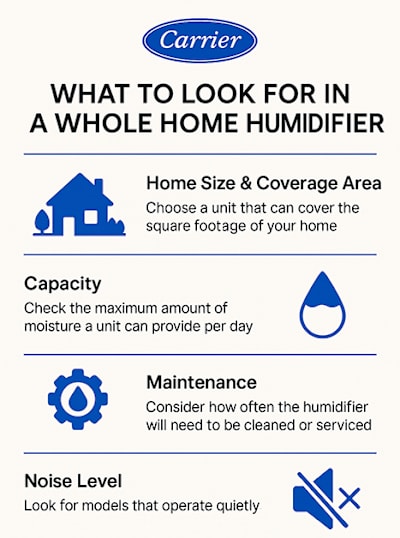
We call this “coverage area.”
Check the box of your device. It will say “Suitable for 200 sq ft” or similar.
Always buy a size bigger than you think you need.
Starting Humidity Levels
Where do you live?
Is it a desert? Or is it just a cold winter day?
If your home is very dry (below 20% humidity), it takes longer.
The air is very thirsty. It eats the moisture instantly.
It takes hours to raise the level to 40%.
If your home is at 30%, it is faster.
You only need to go up a little bit.
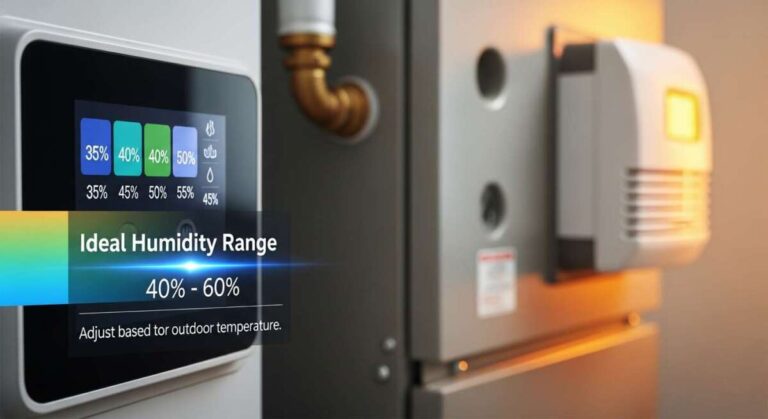
Optimal humidity level for sleeping is between 40% and 60%.
Furniture and Soft Surfaces
This is a hidden factor.
Do you have a big fabric sofa? Do you have heavy curtains?
Do you have a rug?
These things absorb water too.
We call this the “buffer effect.”
When you first run the humidifier, the air does not keep the water.
The sofa takes it. The rug takes it. The wood floor takes it.
Only after they are full does the air stay wet.
This can delay relief by a few hours.
Timelines for Relief: Setting Expectations
Let’s break it down by time. Here is what happens when.
Immediate Relief (15-30 Minutes)
You turn it on. Mist comes out.
Sit near the machine.
In 15 minutes, the air near you changes.
It feels cooler. It feels softer.
If you have a stuffy nose, it might start to run.
This is good. It means your sinuses are hydrating.
Static electricity starts to drop.
Short-Term Relief (Overnight)
You run it while you sleep.
How fast does a humidifier work for cough?
Usually, you will notice a change in one night.
The moisture soothes your throat. It calms the “tickle.”
By morning, you should not wake up with a dry mouth.
Your lips should not be cracked.
You will sleep deeper. Dry air wakes us up. Moist air lets us sleep.
Long-Term Benefits (3-7 Days)
Keep running it every day.
After a few days, big changes happen.
Do you have dry, itchy skin?
This takes time to heal.
The humidifier stops new damage. Your skin repairs itself.
After one week, your skin will feel smooth.
Your wood floors will stop creaking.
Your house plants will look greener.
Types of Humidifiers and Their Speed
The machine type changes the speed.
I have used all of them. Here is my report.
Ultrasonic Humidifiers (The Sprinters)
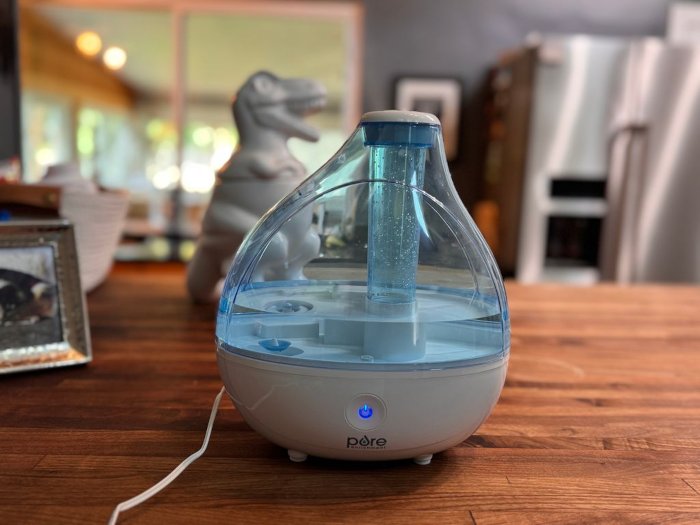
These are the most common today.
They use a vibrating plate. It shakes water into mist.
Speed: Very Fast.
Why: The mist is instant. It is a visible fog.
You see it immediately.
Because the mist is cool, it sinks.
You need to put these high up.
Best for: Quick relief in bedrooms.
Warm Mist Vaporizers (The Steamers)
These boil water.
They work like a kettle.
Speed: Slow start, then fast finish.
Why: It takes 10 minutes to boil the water.
But, hot steam moves fast. Heat rises.
The steam mixes with air well.
Best for: Sick days and cold rooms.
Evaporative Humidifiers (The Marathon Runners)
These use a fan and a wick.
They blow air through a wet filter.
Speed: Steady and Slow.
Why: They rely on natural evaporation.
You cannot force it.
But, they are smart. They stop when the air is wet.
They cannot over-humidify the room.
Best for: Whole-house comfort.
Credit: www.carrier.com
My Personal Experience: The “Nursery Test”
I want to share a story.
Last winter, my son got sick. He had a bad cough. It was a barking cough.
The doctor said, “Get a humidifier.”
I had one in the basement. It was an ultrasonic cool mist unit.
The room was small. Maybe 120 square feet.
The air felt like a desert. My hygrometer read 22%. That is very low.
The Setup
I put the humidifier on a tall dresser.
I did not put it on the floor. Mist falls down. If it is on the floor, the carpet gets wet, not the air.
I filled it with distilled water.
I closed the door.
I closed the window blinds. Cold glass steals heat and moisture.
The Result
I sat in the rocking chair. I watched the meter.
- 0 Minutes: 22% Humidity.
- 10 Minutes: 25% Humidity. I could see the mist.
- 30 Minutes: 35% Humidity. The air felt different. My nose felt clear.
- 60 Minutes: 45% Humidity.
It took exactly one hour to reach the perfect level.
My son stopped coughing as much. He slept through the night.
This taught me that placement and room size are key.
How to Speed Up Your Humidifier
You want it faster? I have tips.
These are tricks I use.
Optimal Humidifier Placement for Best Results
Do not hide the machine.
Put it in the open.
Tip 1: Elevation. Put it on a table. Mist needs to fall and mix.
Tip 2: Airflow. Do you have a ceiling fan? Turn it on.
Set it to “Low.”
Set it to spin “Reverse” (clockwise) in winter.
This pulls air up. It mixes the mist instantly.
This cuts the wait time in half.
Use Warm Water (With Caution)
If you have a warm mist unit, use warm water.
Do not use boiling water. Just warm tap water.
This saves the machine time. It does not have to heat it up as much.
Warning: Never put hot water in a cool mist ultrasonic unit. It can damage the parts.
Seal the Room
Imagine trying to fill a bucket with a hole in it.
That is a room with an open door.
That is a room with drafty windows.
Close the door.
Put a towel under the door if there is a gap.
Lock the windows. This seals the rubber gaskets.
This keeps the moisture inside.
Signs Your Humidifier Is Working
How do you know?
Sometimes you cannot see it.
The Fog Check
For ultrasonic units, look for fog.
You should see a plume of white mist.
It should go up and out.
If it falls straight down, elevate the unit.
The Physical Check
Check your body.
Rub your fingers together. Are they slippery or dry?
Touch a metal doorknob. Did you get shocked?
If you did not get shocked, it is working.
Static electricity dies in humidity.
The Data Check
Do not guess. Measure.
Buy a hygrometer.
They are cheap. You can get one for $10.
This tells you the exact number.
If it says 30%, wait longer.
If it says 45%, you are good.
This is the only sure way to know.
Troubleshooting: Why Is It Taking So Long?
Is it been 3 hours? Is the air still dry?
Something is wrong.
Here are the common problems.
The Unit is Too Small
This is the #1 mistake.
You bought a “personal” humidifier. It holds 1 cup of water.
You put it in a living room.
It cannot win. The room is too big.
You need a bigger tank. You need a higher output.
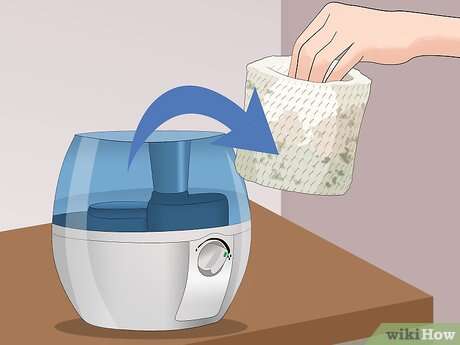
The Filter is Clogged
Do you have an evaporative unit?
Check the wick. Is it hard? Is it yellow?
If it is hard, it cannot soak up water.
Air blows through it, but picks up no water.
Change the filter.
The Air Exchange is Too High
Is your central heater running?
Forced air heat is very dry.
It pumps dry air into the room constantly.
The humidifier fights the heater.
If the heater runs a lot, the humidifier takes longer.
Credit: www.mattressclarity.com
Maintenance for Maximum Speed
A dirty machine is a slow machine.
You must clean it.
Cleaning for Performance
Scale buildup slows it down.
Scale is the white crust. It comes from minerals in water.
It coats the heating element. It blocks the vibrations.
The Fix:
- Unplug the unit.
- Fill the base with white vinegar.
- Let it sit for 20 minutes.
- The scale will melt away.
- Scrub with a soft brush.
- Rinse well.
Do this every week.
Managing Mineral Dust
Do you see white dust on furniture?
This is mineral dust.
It means you are using hard tap water.
This dust is bad for your lungs.
The Fix: Use distilled water.
It has no minerals. It keeps the machine clean. It keeps the air clean.
Frequently Asked Questions (FAQ)
How long to run humidifier per day?
Run it as long as needed. Usually, run it all night while sleeping. In the day, turn it off if you leave. Aim to keep humidity between 40% and 60%.
Can I leave it on all night?
Yes, you can. It is safe. Just make sure the tank is full. If it runs dry, most units shut off automatically. This is a safety feature.
Does a humidifier help with snoring immediately?
It can help quickly. Moist air lubricates the throat. This stops the vibration that causes snoring. You should hear a difference the first night.
Is it working if I don’t see mist?
Yes. Evaporative units do not make visible mist. They are invisible. Check the water tank. Is the water level going down? If yes, it is working.
How long does it take to cure dry skin?
It is not instant. Relief starts in one day. But true healing takes about 3 to 7 days of constant use. Be patient. Keep the skin moisturized with lotion too.
Conclusion
So, how long for a humidifier to work?
Expect to feel better in 30 minutes.
Expect the room to be perfect in 1 hour.
But remember the rules.
Close the door. Use the right size. Keep it clean.
If you do these things, relief is fast.
Don’t suffer in the dry air.
Go check your humidifier now.
Is it full? Is it on?
Take a deep breath. Can you feel the difference?
If not, try my tips. Move it higher. Turn on a fan.
Your comfort is worth it. Sleep tight and breathe easy.