Does Boiling Water Help Humidify Your House? Expert Insights
If you are reading this, chances are your home feels dry right now.
Maybe your skin feels tight.
Maybe your lips crack no matter how much balm you use.
Or maybe you touched a doorknob and zap—static shock again.
I’ve been there. And honestly, that discomfort is what made me ask the same question you’re asking now:
Does boiling water help humidify your house?
Let’s talk about it—plain and simple.
I’ll walk you through what actually works, what only helps a little, and what experts recommend instead. Along the way, I’ll also share a real experience from my own home so you can decide what makes sense for you.
Understanding Dry Indoor Air (Why This Matters More Than You Think)
First, let’s slow down for a moment.
Dry indoor air is not just uncomfortable. It can affect how you sleep, breathe, and even how your home holds up over time.
When humidity drops too low, many people notice:
- Dry skin and itchy eyes
- Scratchy throat in the morning
- Static shocks everywhere
- Wood floors or furniture cracking
In my case, winter made everything worse. The heat ran nonstop. Windows stayed closed. And within days, the air felt harsh.
This happens because cold air holds less moisture. Once that air gets heated indoors, the humidity drops fast. That’s why low humidity in the house is most common during winter.

Credit: www.millers-va.com
What Is Humidity? (A Simple Explanation)
Let’s keep this easy.
Humidity is just how much moisture is in the air.
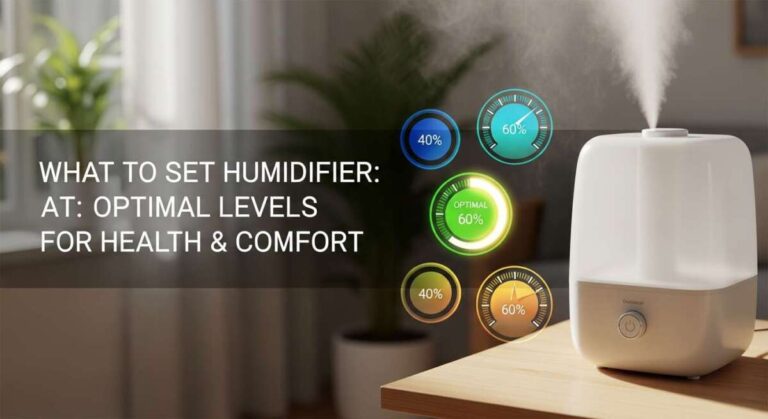
Most experts agree that the best indoor range sits between 30% and 50%. Below that, air feels dry. Above that, mold can grow.
According to guidance from the Environmental Protection Agency, staying in this range helps protect both health and your home.
So when humidity drops, we naturally look for fast fixes.
That’s where boiling water comes in.
Does Boiling Water Help Humidify Your House? (The Honest Answer)
Here’s the straight answer:
Yes, boiling water can add moisture to the air—but only a little, and only for a short time.
It works best in:
- Small rooms
- Short periods
- Emergency or temporary situations
It does not replace a real humidifier. And it does not work well for whole houses.
Still, understanding why it works helps you use it safely.
How Boiling Water Adds Moisture to the Air
The Simple Science (No Complicated Terms)
When water boils, it turns into steam.
That steam is water vapor.
Water vapor floats into the air.
That adds moisture.
That’s it.
No fancy science needed.
Heat makes water molecules move faster. Eventually, they escape as steam. This process increases humidity for a short time.
How Much Humidity Does Boiling Water Add?
This part matters.
The amount of moisture depends on:
- How much water you boil
- How long you boil it
- Room size
- Ventilation
In a small bathroom, steam builds fast.
In a living room, it spreads thin.
When I tested this in my own kitchen, I boiled a medium pot of water for about 20 minutes. The air felt better near the stove. But once I turned the heat off, the effect faded within an hour.
That’s important to know.
My Personal Experience Using Boiling Water for Humidity
Let me share something real with you.
One winter evening, my humidifier broke. Stores were closed. My throat felt dry, and sleep felt impossible.
So I tried boiling water.
I filled a large pot and let it simmer while I cleaned nearby. The air did feel softer. My nose stopped feeling dry. That part worked.
However, I also noticed something else.
I had to stay alert the entire time. I worried about spills. And once I turned off the stove, the comfort faded faster than I expected.
That experience taught me something important.
Boiling water helps, but it’s not effortless or reliable.
Short-Term Benefits of Using Boiling Water
When used carefully, boiling water can:
- Add moisture quickly
- Help with dry throat for a short time
- Reduce static in small spaces
- Help plants briefly
For quick relief, it does have value.
But now we need to talk about limits—because that’s where many articles fall short.

Credit: www.dreo.com
The Real Limitations of Using Boiling Water for Humidity
Now, let’s be honest with each other.
While boiling water can help, it also has clear limits. This is where experience really matters, because theory alone does not show the full picture.
It Only Works for a Short Time
First of all, boiling water adds moisture only while it is boiling.
Once you turn off the stove, the steam stops.
Then, humidity drops again.
In my own test at home, the comfort lasted about 30 to 60 minutes in a small room. After that, the air felt dry again. This makes boiling water a temporary fix, not a long-term solution.
It’s Hard to Control Humidity Levels
Another issue is control.
When you boil water:
- You cannot set a humidity level
- You cannot stop moisture at a safe point
- You cannot spread it evenly
Too little steam does nothing.
Too much steam causes condensation.
This lack of control can lead to new problems, which brings us to safety.
Safety Risks You Should Know Before Trying Boiling Water
I always stress this part, especially for beginners.
Boiling water is not dangerous by default. However, it requires attention at all times.
Burn Risks Are Real
Hot water spills easily. Steam burns skin fast.
If you have:
- Children
- Pets
- A busy kitchen
Then this method becomes risky.
I personally stayed near the stove the entire time. I would never leave boiling water unattended, even for a minute.
Moisture Damage and Mold Risk
Too much moisture in one area can:
- Damage wood furniture
- Cause condensation on windows
- Encourage mold growth
Health experts, including those referenced by Mayo Clinic, warn that excess indoor moisture can worsen allergies and breathing issues.
That’s why balance matters.
Boiling Water vs Humidifier: Which One Is Better?
This question comes up a lot.
Let’s compare them honestly.
Boiling Water
- Works fast
- Costs almost nothing
- Requires supervision
- Only helps short-term
- Hard to control
Humidifiers
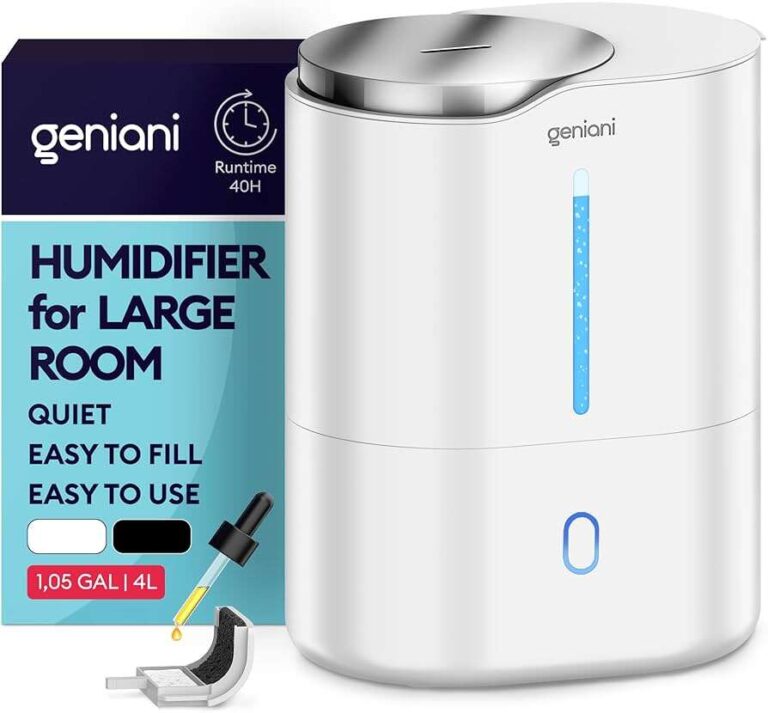
- Control humidity levels
- Run safely for hours
- Cover larger spaces
- Require cleaning
- Cost more upfront
From experience, I can say this clearly:
👉 If you need steady comfort, a humidifier wins every time.
Boiling water helps in a pinch.
Humidifiers help daily.
Best and Safest Ways to Humidify Your Home
Now let’s focus on what actually works long-term.
1. Electric Humidifiers (Expert-Recommended Option)
Electric humidifiers are designed for one purpose—adding moisture safely.
They come in several types:
- Cool mist
- Warm mist
- Ultrasonic
Most models let you:
- Set humidity levels
- Run overnight
- Cover full rooms
I switched to a humidifier after my boiling water test. The difference was night and day. My skin felt better, sleep improved, and I no longer worried about safety.
Just remember this:
👉 Clean it often. Dirty humidifiers can spread bacteria.

Credit: www.aol.com
2. Natural Ways to Humidify Your Home (That Actually Help)
If you prefer natural methods, these options help more than boiling water alone.
Bowls of Water
Place bowls near heat sources.
Water slowly evaporates into the air.
Indoor Plants
Plants release moisture naturally.
They also improve air quality.
Let Shower Steam Escape
Leave the bathroom door open after hot showers.
Air-Dry Clothes Indoors
This adds gentle moisture over time.
These methods work best together, not alone.
Expert-Backed Humidity Guidelines You Should Follow
Let’s ground this advice in expert guidance.
Most indoor air specialists recommend:
- 30%–50% humidity
- Below 30% = dry air issues
- Above 50% = mold risk
Using a simple hygrometer helps track this. They cost little and remove guesswork.
From my experience, once I started measuring humidity instead of guessing, my comfort improved fast.
When Should You Call a Professional?
Sometimes, home fixes are not enough.
You should seek help if:
- Dry air persists no matter what you try
- You see condensation or mold
- Your HVAC system dries air excessively
A professional can:
- Test indoor air
- Adjust ventilation
- Install whole-home humidifiers
This step protects both health and property.
Frequently Asked Questions
Does boiling water increase indoor humidity effectively?
Boiling water does increase humidity, but only for a short time. It works best in small spaces and cannot maintain steady moisture levels like a humidifier can.
How long does boiled water humidify a room?
The effect usually lasts between 30 and 60 minutes. Once the steam stops, humidity slowly drops again, especially in ventilated rooms.
Is boiling water a safe humidifier alternative?
It can be safe if supervised closely. However, it carries burn risks and lacks humidity control, making it less ideal for daily use.
Can boiling water help with dry winter air?
Yes, it can help temporarily. However, for ongoing winter dryness, a humidifier or combined natural methods work better.