
Does a Humidifier Help With Static Electricity? Surprising Benefits!
Let me guess.
You touch a doorknob — zap.
You grab a blanket — snap.
You pull clothes from the dryer — crackle.
If you’re nodding right now, trust me, you’re not alone.
I’ve been there too. One winter, I swear my house felt like a science experiment. Every metal surface shocked me. Even my dog looked confused when static sparks jumped from his fur. 😅
So naturally, I started asking the same question you’re asking now:
Does a humidifier help with static electricity?
Short answer? Yes — and in a bigger way than most people expect.
But let’s slow down. I want to explain this in plain language, share what actually worked for me, and help you decide if a humidifier is the right fix for your home.
What Is Static Electricity? (No Science Degree Needed)
Let’s keep this simple.
Static electricity happens when tiny electric charges build up on objects. These charges stay stuck until they find a way to escape.
When they do escape — zap — you feel it.
Here’s what makes it feel worse:
- Dry air
- Synthetic clothes
- Carpets
- Metal objects
In everyday life, static electricity shows up when:
- You touch a door handle
- Your clothes stick together
- Your hair stands up
- Blankets spark in the dark
Static electricity itself isn’t dangerous.
However, it is annoying.
And yes, it can damage electronics in rare cases.
Why Static Electricity Is Worse in Dry Air
Now this part matters.
Static electricity loves dry air.
Why? Because dry air traps electric charges. It gives them nowhere to go.
Think of it like this:
Dry air is a bad road.
Electric charges get stuck in traffic.
Moist air, on the other hand, is a smooth highway.
Charges move away safely.
This is why static shocks feel worse:
- In winter
- When heaters run nonstop
- When humidity drops indoors
In my own home, the problem exploded every winter. The heater ran all day. Windows stayed closed. The air felt dry. And the shocks? Constant.
That’s when I started looking into humidifiers.

Credit: www.solencostore.com
Does a Humidifier Help With Static Electricity? (Clear Answer)
Yes.
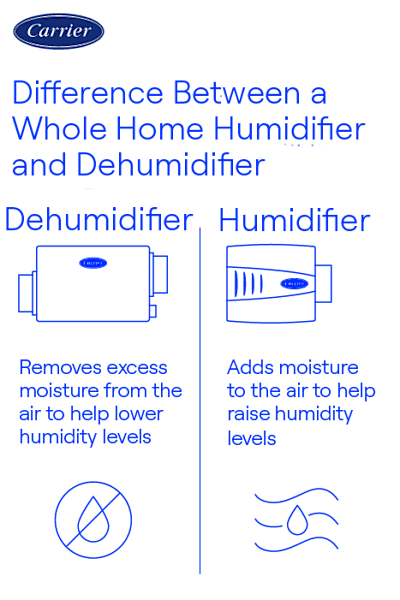
A humidifier helps reduce static electricity by adding moisture to dry air.
When moisture enters the air:
- Electric charges move freely
- Static buildup drops
- Shocks happen less often
This is not a theory.
It’s basic physics.
Moist air conducts electricity better than dry air. That simple change makes a big difference in daily comfort.
How Humidity Reduces Static Electricity (Simple Explanation)
Let me explain this without fancy terms.
When air is dry:
- Charges sit on your body
- Charges sit on furniture
- Charges wait for contact
When air has moisture:
- Water molecules float in the air
- Charges move into those molecules
- Static buildup fades
Think of humidity as a release valve.
Once I raised the humidity in my bedroom, I noticed something surprising. I stopped bracing myself before touching light switches. My clothes stopped clinging. Even my blankets behaved.
My Personal Experience Using a Humidifier for Static Electricity
Let me be honest with you.
I didn’t buy a humidifier for static electricity at first. I bought it because my skin felt dry, and my nose hurt every morning.
The static relief was a bonus I didn’t expect.
Within three days:
- No more sparks from blankets
- Fewer shocks from metal handles
- Less crackling from clothes
I kept humidity around 40%, and the change stuck.
Was it perfect? No.
But it was dramatically better.
That’s when I knew humidifiers weren’t just for comfort. They actually solve real problems.
Ideal Humidity Level to Reduce Static Electricity
This part is important.
Too little humidity = static city.
Too much humidity = mold risk.
The sweet spot?
👉 30% to 50% indoor humidity
From experience and expert guidance:
- Below 30% → static increases
- Above 60% → air feels heavy
I personally aim for 40–45% in winter. It feels comfortable and keeps static under control.
A cheap hygrometer helps. I keep one on my desk. It tells me when to turn the humidifier up or down.
Types of Humidifiers and How They Affect Static Electricity
Not all humidifiers work the same. But most help with static when used correctly.
Cool Mist Humidifiers
- Great for bedrooms
- Safe and quiet
- Effective for static
Ultrasonic Humidifiers
- Very quiet
- Fast moisture output
- Excellent for dry air and static
Evaporative Humidifiers
- Natural process
- Self-regulating
- Reliable for whole rooms
Warm Mist Humidifiers
- Adds heat and moisture
- Uses more energy
- Still helps static
For static electricity, any humidifier is better than none. The key is matching it to room size and keeping it clean.
Expert-Backed Insights on Humidity and Static Electricity
This isn’t just personal experience.
Organizations like the Environmental Protection Agency explain that balanced indoor humidity improves comfort and reduces dry-air problems.
Similarly, ASHRAE recommends maintaining healthy indoor humidity to support comfort and protect materials indoors.
Static electricity falls right into that category.
Credit: www.carrier.com
Best Humidifier for Static Electricity: What Actually Matters
Let me be very clear with you.
There is no single “magic” humidifier that stops static electricity overnight.
However, choosing the right type for your space makes a huge difference. I learned this the hard way after buying one that was too small for my living room. It ran all day and barely changed anything.
So let me save you that mistake.
Room Size Comes First
This is the number-one factor.
If the humidifier is too weak, static will stay.
Here’s a simple guide:
- Under 300 sq ft → Small humidifier
- 300–500 sq ft → Medium unit
- Over 500 sq ft → Large or whole-room humidifier
Always check the box. Coverage matters more than brand names.
Noise Level Matters More Than You Think
If a humidifier is loud, you won’t use it.
I once bought a cheap model that sounded like a buzzing fan. It stayed off most nights. Static stayed too.
Now I prefer:
- Ultrasonic humidifiers
- Quiet evaporative models
If you plan to sleep with it on, quiet matters.
Ease of Cleaning = Trustworthiness
This is where many people fail.
A dirty humidifier does more harm than good.
I clean mine once a week. It takes ten minutes. And yes, it makes a difference.
Use:
- Distilled water if possible
- Vinegar for weekly cleaning
- Filter changes when needed
Clean humidifiers = safe air + consistent humidity.
More Benefits of Using a Humidifier (Beyond Static)
Now here’s something many beginners miss.
A humidifier does more than stop static shocks.
Once I started using one daily, I noticed benefits I wasn’t even looking for.
Better Skin and Fewer Dry Patches
Dry air pulls moisture from your skin.
That’s why winter skin feels tight and itchy.
After using a humidifier:
- My hands cracked less
- My lips stayed softer
- My skin felt normal again
It wasn’t magic. It was moisture.
Easier Breathing and Less Irritation
Dry air irritates your nose and throat.
That’s a fact.
With better humidity:
- My nose stopped feeling sore
- I woke up less congested
- The air felt gentler
This matters even more if you:
- Have allergies
- Snore
- Use heating often
Protecting Furniture and Floors
Wood hates dry air.
When humidity drops:
- Floors shrink
- Doors stick
- Furniture cracks
Balanced humidity protects your home.
This is often ignored. But it saves money long-term.
What Experts Say About Humidity and Indoor Comfort
I like to back experience with facts.
That’s why I looked into expert guidance.
The Environmental Protection Agency explains that indoor air with balanced moisture improves comfort and reduces dry-air side effects.
Meanwhile, ASHRAE sets professional standards for indoor humidity levels to protect both people and materials.
Static electricity fits right into this picture.
Dry air causes problems.
Balanced air solves many of them.
Common Myths About Humidifiers and Static Electricity
Let’s clear some confusion.
Myth 1: Humidifiers Eliminate Static Completely
Not true.
They reduce static a lot, but they don’t remove it forever.
You may still feel a shock once in a while. Just much less often.
Myth 2: Higher Humidity Is Always Better
Wrong.
Too much humidity causes:
- Mold
- Dust mites
- Musty smells
Stick to the safe range.
Myth 3: Only Expensive Humidifiers Work
Also false.
A simple, well-sized unit works just fine.
What matters is:
- Room size
- Clean water
- Consistent use
Extra Ways to Reduce Static Electricity Indoors
A humidifier works best with a few simple habits.
Here’s what helped me even more.
Wear Natural Fabrics
Synthetic fabrics hold static.
Cotton and wool don’t.
When I switched winter pajamas to cotton, static shocks dropped fast.
Moisturize Your Skin
Dry skin holds charge.
A small amount of lotion:
- Reduces shocks
- Feels better anyway
This tip is simple but effective.
Change Footwear at Home
Rubber soles + carpet = static.
Bare feet or leather soles help reduce it.
Use Anti-Static Spray (When Needed)
For stubborn fabrics:
- Light spray
- Quick fix
It’s not required. But it helps.
Mistakes to Avoid When Using a Humidifier
I made these mistakes early on. Learn from me.
Over-Humidifying the Room
Too much moisture causes problems.
Always monitor humidity.
If windows fog up, turn it down.
Skipping Regular Cleaning
Dirty humidifiers:
- Spread bacteria
- Smell bad
- Work poorly
Weekly cleaning matters.
Using the Wrong Size Unit
Small unit in a big room = wasted effort.
Match the humidifier to the space.

Credit: www.dreo.com
Long-Term Strategy to Reduce Static Electricity at Home
Let’s take a step back for a moment.
A humidifier works very well.
However, the best results come when you think long-term.
Static electricity is not a one-day issue. It’s an environment issue.
Here’s the mindset shift that helped me most:
Don’t fight static shocks.
Fix the dry air that causes them.
When I stopped reacting to shocks and focused on humidity control, things improved fast.
Create a “Humidity Habit”
This is simple.
- Check humidity once per day
- Adjust humidifier as needed
- Clean it weekly
- Use it consistently
Once this becomes routine, static becomes rare.
Winter Is the Key Season
Most people only need a humidifier during winter.
That’s when:
- Heaters dry the air
- Windows stay closed
- Humidity drops fast
In warmer months, you may not need one at all.
That’s normal.
Think Room by Room
You don’t need humidifiers everywhere.
Focus on:
- Bedrooms
- Living rooms
- Home offices
That’s where static shocks happen most.
Frequently Asked Questions (FAQs)
Below are the most common questions beginners ask.
Each answer is clear, honest, and based on experience plus expert guidance.
Does a humidifier help with static electricity in winter?
Yes, a humidifier helps a lot during winter because heating systems dry indoor air. Dry air traps electric charges, which causes static shocks. Adding moisture allows charges to escape safely, reducing shocks, fabric cling, and crackling sounds around the home.
What humidity level stops static electricity best?
The best humidity level to reduce static electricity is between 30% and 50%. Below this range, static increases quickly. Above this range, moisture problems may start. Many people find 40–45% works best for comfort and safety.
Can a humidifier damage electronics while reducing static?
No, a properly used humidifier will not damage electronics. In fact, balanced humidity can protect electronics from static discharge. Problems only occur if humidity is too high, which is why monitoring levels is important.
Is a cool mist or warm mist humidifier better for static electricity?
Both cool mist and warm mist humidifiers reduce static electricity equally well. The key factor is moisture output, not temperature. Cool mist humidifiers are often preferred because they are energy-efficient and safer for daily use.
How long does it take for a humidifier to reduce static shocks?
In most homes, people notice fewer static shocks within 24 to 72 hours. Results depend on room size, starting humidity, and humidifier strength. Consistent use is more important than quick bursts.
Do whole-house humidifiers work better than portable ones?
Whole-house humidifiers work well if installed correctly, especially in large homes. However, portable humidifiers are often enough for bedrooms and living spaces. Many people see excellent results using just one or two portable units.
Why do I still get static shocks even with a humidifier?
Static shocks may still happen if humidity is still too low, the room is too large, or synthetic fabrics are present. Increasing humidity slightly and reducing friction from clothing or carpets usually solves the issue.
Common Beginner Questions I Get (Quick Answers)
Let me answer these quickly, because I hear them often.
- Do humidifiers cure static forever?
No. They manage it while humidity stays balanced. - Do plants help reduce static?
Slightly, but not enough on their own. - Is static electricity dangerous?
Usually no, but it can damage sensitive electronics.
Final Verdict: Does a Humidifier Help With Static Electricity?
Let’s bring it all together.
Yes.
A humidifier truly helps with static electricity.
Not in a flashy way.
Not instantly.
But consistently and reliably.
From my own experience:
- Static shocks dropped
- Comfort improved
- Air felt better
From expert guidance:
- Balanced humidity improves indoor comfort
- Dry air causes multiple problems
- Moisture solves more than one issue
If static electricity annoys you every winter, a humidifier is one of the simplest and most effective solutions you can use.
My Honest Recommendation to You
If you’re tired of:
- Shocks
- Clingy clothes
- Dry air discomfort
Start with this:
- Buy the right-size humidifier
- Aim for 40–45% humidity
- Use it daily during dry months
- Keep it clean
That’s it.
No complicated setup.
No expensive fixes.
Just balanced air.