Do You Put Cold Or Hot Water in a Humidifier: Ultimate Guide
Are you standing by the sink right now? Maybe you are holding your humidifier tank. You might be wondering, “Do I turn the tap to red or blue?”
It is a very common question. I have asked it myself.
You want to do the right thing. You want clean air. You want to breathe easy. But a simple mistake here can cost you money. It can even make you sick.
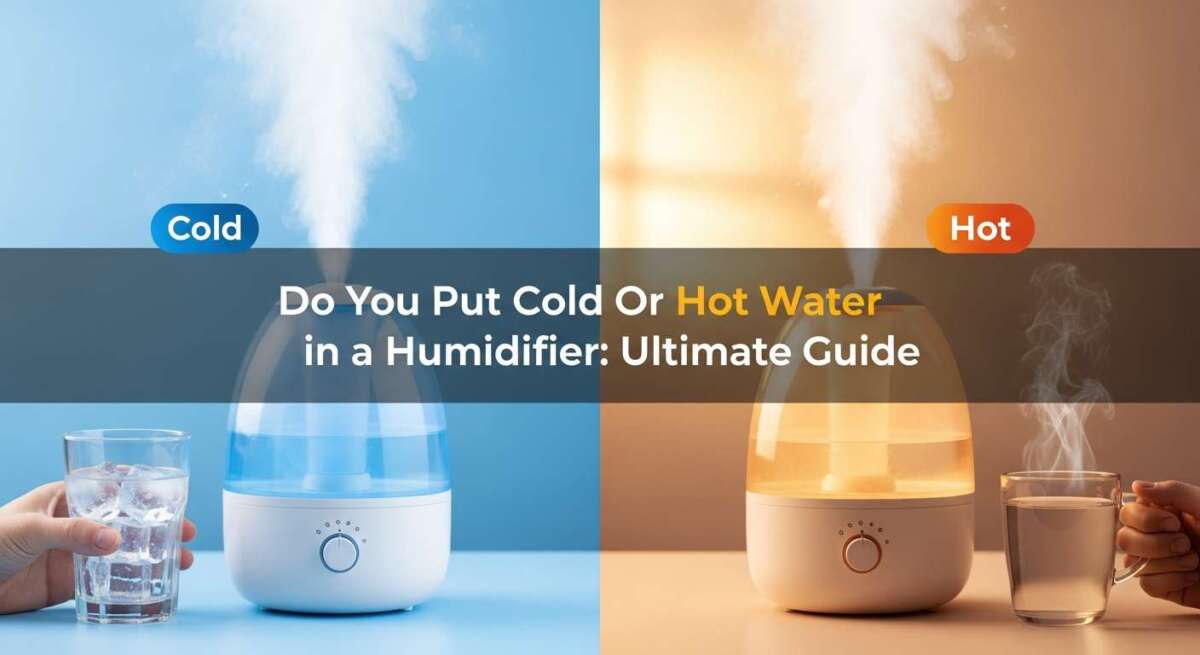
So, do you put cold or hot water in a humidifier?
The short answer is cold water.
In this guide, I will explain why. We will look at safety, cost, and health. I will also share a story about how I learned this the hard way.
Let’s dive in.
The Short Answer: Stick to Cold
For 99% of humidifiers, you must use cold or cool water.
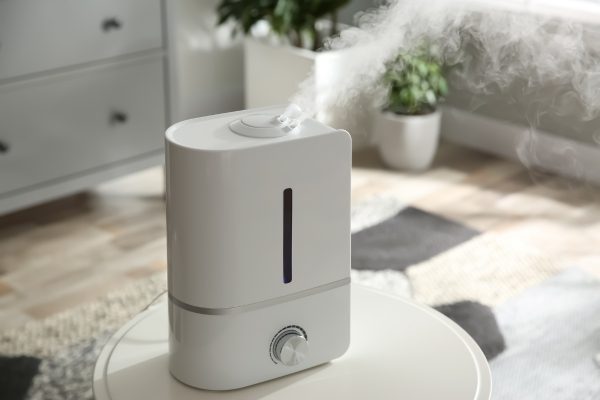
Most machines are made for cool water. They use vibrations or fans to make mist. They do not use heat. If you add hot water, bad things happen. You might melt the plastic. You might grow mold.
There is one small exception. That is a “steam vaporizer.” But even then, cool water is usually safer to start with.
We will get into those details soon. For now, just remember: When in doubt, use cold.
My “Hot Water” Mistake
I want to share a quick story. It happened a few years ago. I had a bad cold. My nose was stuffed. I felt terrible.
I had a cheap ultrasonic humidifier. It was a cute, drop-shaped one. I thought, “Hot steam feels good in the shower. So, hot water in the tank must be better!”
I filled it with steaming hot water from the tap. I turned it on.
At first, it seemed fine. But an hour later, I smelled something odd. It smelled like burning plastic.
I looked at the machine. The bottom of the tank was soft. It had warped. The seal cracked. Water leaked onto my nightstand.
I ruined the machine. I also ruined a nice wooden table.
I learned my lesson that day. Hot water does not belong in a plastic tank.
Credit: www.greenwashingindex.com
Why Cold Water is the Best Choice
Let’s look at why cold water wins. It is not just about the plastic. It is about how the machine works.
1. It Protects Your Machine
Most humidifiers today are “ultrasonic.” This means they use a small metal plate. This plate vibrates very fast. It turns water into mist.
These plates get hot when they work. The water needs to be cool to keep them safe. If you add hot water, the plate can get too hot. It might burn out.
Also, the tanks are made of thin plastic. Hot water weakens this plastic. Over time, it will crack.
2. It Is Much Safer for Kids
Do you have kids or pets? This is huge.
Imagine a toddler running around. They might bump the table. The humidifier could fall.
If the water is cold, it makes a mess. It is just a wet floor.
If the water is hot, it is a disaster. It could cause serious burns.
This is why humidifier safety tips for baby guides always say to use cool mist. It eliminates the risk of burns.
3. It Stops Bacteria Growth
Germs love warmth. They love water.
If you fill a tank with warm tap water, it is like a spa for bacteria. They will multiply fast. Then, the machine sprays them into the air. You breathe them in.
Cold water slows this down. It keeps the water fresh for longer.
4. It Saves You Money
Heating water takes energy. Your water heater works hard to make water hot.
Using cold water is free. You skip the heating cost.
Also, cool mist humidifiers use less power than steam ones. A steam unit boils water. That takes a lot of electricity. A cool mist unit uses a tiny fan. It is very cheap to run.
Understanding How It Works
You might think, “But I want warm air!”
I get it. Warm air feels cozy. But a humidifier is not a heater. Its job is to add water to the air.
Cold water evaporates well. It mixes with the air in your room. It does not lower the room temperature much.
So, do you put cold or hot water in a humidifier to warm the room? No. You use a heater for heat. You use a humidifier for moisture.
Does Cold Water Cool the Room?
This is a common worry. People think cool mist will make the room freezing.
It usually does not. The mist is very fine. It absorbs into the air quickly. You might feel a slight chill if you stand right in front of it. But across the room, you won’t notice a temperature drop.
However, if you sit very close, the cool mist might feel chilly. In that case, just move the unit away from your bed.
Cold Water in Humidifier Benefits
Let’s list the clear wins for cold water.
- Less Scale: Hot water from a boiler often has more minerals. Cold water has less.
- Longer Life: Your machine seals stay tight.
- Better Mist: Ultrasonic plates work best with cool liquid.
- Safety: No risk of scalding spills.
It is simple. Cold water is the safe, smart choice.
Credit: crane-usa.com
Understanding Your Device: Warm Mist vs Cool Mist Humidifier
Not all humidifiers are the same. It is like cars. Some take gas. Some take electricity.
You need to know what you own. This helps you treat it right.
There are three main types. Let’s see which one you have.
1. Ultrasonic Humidifiers (The Most Common)
Do you have a quiet machine? Does it have a dial or a button? Does mist come out instantly?
This is likely an ultrasonic humidifier.
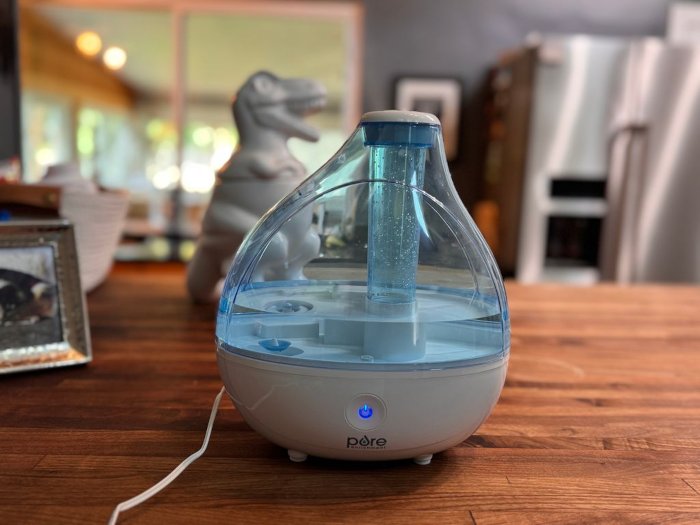
Inside, there is a ceramic diaphragm. It vibrates at a very high speed. It shakes water droplets into the air.
Rule: Never use hot water.
Why? The vibration creates heat. If you add hot water, it gets too hot. You can damage the electronics. Also, the tank is usually made of clear, thin plastic. Hot water will warp it.
2. Evaporative Humidifiers
Does your machine have a loud fan? Does it have a filter inside?
This is an evaporative humidifier.
It works like a wet towel in front of a fan. The water soaks into a wick filter. The fan blows air through it.
Rule: Use cold water only.
Why? Hot water can ruin the filter. It can make the glue in the filter melt. It can also make the filter rot faster. A soggy, hot filter smells bad. It smells like a wet dog. You do not want that in your bedroom.
3. Steam Vaporizers (The Exception)
Does your machine look like a plastic bucket? Does it boil water? Does it get hot to the touch?
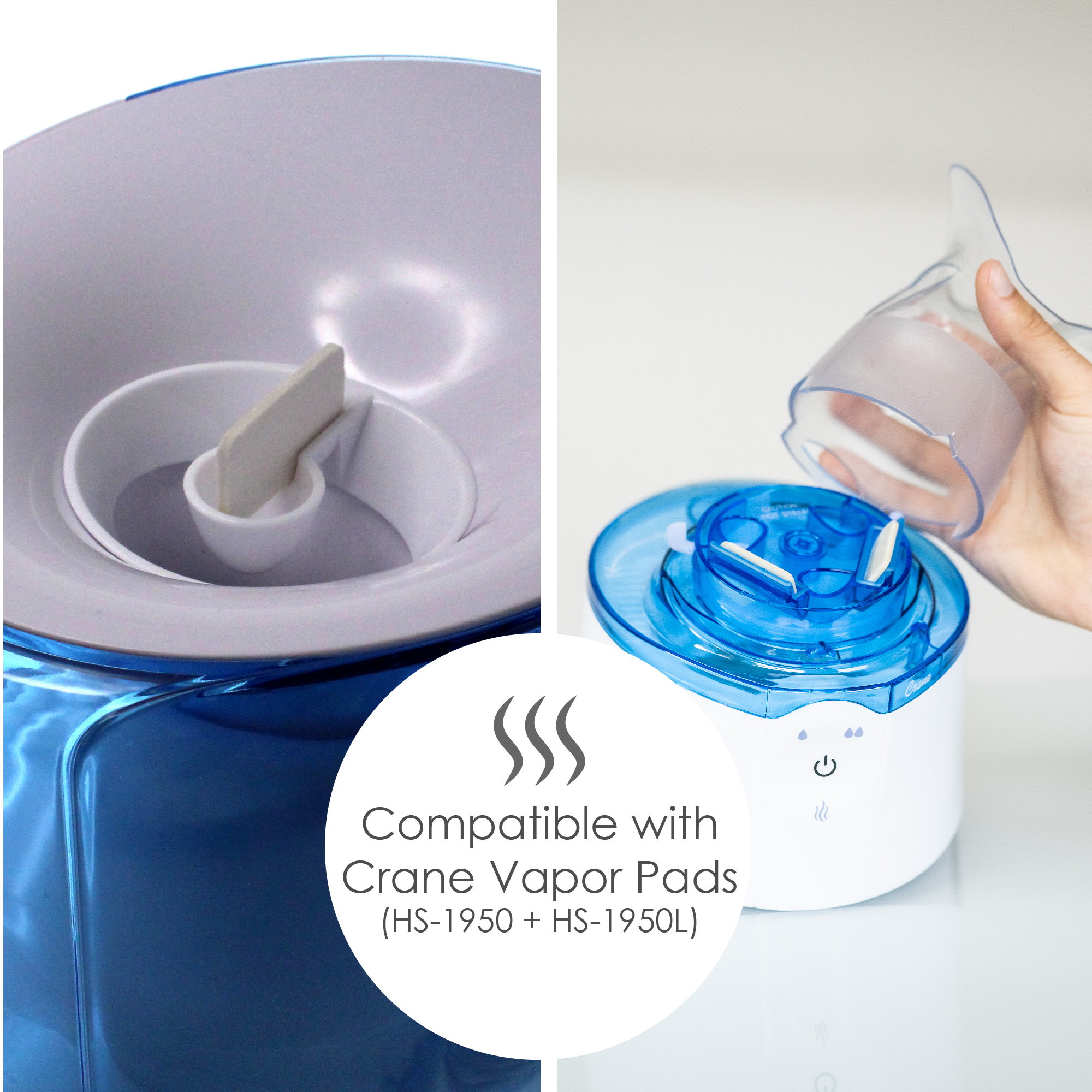
This is a steam vaporizer. Brands like Vicks make these.
People often search online: “Can you put hot water in Vicks humidifier?”
Here is the truth. These machines boil water. They have a heating element inside.
You might think, “It boils water anyway, so hot water is fine.”
Technically, yes. It might not break the machine immediately. However, manufacturers still recommend cold water.
Why?
- Safety: Filling a tank with boiling water is dangerous. You might spill it on your feet.
- Overheating: The machine is timed to heat up cold water. If you put in hot water, it might boil too fast. It could spit hot water out.
- Minerals: Hot water from your tap has more minerals. This coats the heating element. It makes the machine stop working sooner.
So, even for a steam vaporizer, stick to cold water. Let the machine do the heating.
The Hidden Dangers of Hot Water
Using hot water is not just bad for the machine. It can be bad for your home and health.
Let’s look at the risks.
The Bacteria Trap
This is the scary part.
Bacteria are everywhere. They are in your pipes. They are on your hands.
Bacteria grow best in “Goldilocks” temperatures. Not too hot. Not too cold. They love warm water.
If you fill your tank with warm tap water, you feed them. You give them a perfect home. They multiply.
Then, your humidifier sprays them. It shoots them into the air. You breathe them into your lungs.
This can cause “humidifier fever.” It feels like the flu. It causes coughing and fever.
Cold water keeps bacteria sleepy. They do not grow as fast in the cold. This gives you time to clean the tank before they take over.
Plastic Degradation
We talked about warping. But there is another issue.
Plastic contains chemicals. When plastic gets hot, it releases these chemicals. This is called “leaching.”
Do you want to breathe plastic fumes? Probably not.
Keep the water cold. Keep the plastic stable.
Water Quality Matters: Distilled vs Tap Water for Humidifier
We solved the temperature question. It is cold water.
Now we have a new question. What kind of cold water?
You have two choices:
- Tap water.
- Distilled water.
Many people use tap water. It is easy. It is free. But it is often the wrong choice.
The Problem with Tap Water
Tap water is not just H2O. It has minerals. It has calcium, magnesium, and sometimes chlorine.
These minerals are fine to drink. Your stomach can handle them.
But your humidifier cannot.
When the water turns to mist, the minerals go with it. They land on your furniture. They land on your floor.
This creates “White Dust.”
It looks like fine powder. It covers everything. It is annoying to clean.
But it is worse for your lungs. The EPA says breathing these minerals can be harmful. It can irritate your nose. It is bad for people with asthma.
Why Distilled Water is King
Distilled water is pure. It has no minerals. It has no bacteria.
When you use distilled water:
- There is no white dust.
- The machine stays clean.
- The air is pure.
It costs a little money. You have to buy jugs at the store. But it is worth it.
My “Foggy Room” Story
I want to share another story. This was Personal Experience #2.
I moved to a new city. The water there was very “hard.” That means it had a lot of minerals.
I did not know this.
I set up my humidifier. I filled it with cold tap water. I went to sleep.
The next morning, I woke up. The room looked hazy. It looked like there was smoke.
I jumped out of bed. I thought there was a fire!
I checked the machine. It was fine. I checked the kitchen. No fire.
Then I touched my dresser. It was covered in white powder. The TV was white. The bedsheets felt gritty.
It was the minerals. My humidifier had sprayed rock dust all over my room all night.
I spent hours cleaning. I had to wash all the sheets. I had to wipe down the walls.
That day, I went to the store. I bought ten gallons of distilled water. I never used tap water again.
If you have hard water, learn from my mistake. Use distilled water.
Cold Water and Health: Why It Is Better for You
We know cold water protects the machine. But does it help your body?
Yes.
Soothing Swollen Passages
When you have a cold, your nose swells. That is why you feel stuffed up.
Warm steam can help loosen mucus. That is true. But cool mist can help reduce swelling.
Think about a sprained ankle. You put ice on it. You do not put heat on it. The cold brings the swelling down.
The same logic applies to your nose. The cool air calms the inflamed tissues. It makes it easier to breathe.
Safer for Allergies
Mold loves heat. Dust mites love heat.
If you use a warm mist humidifier, you make your room hot and damp. Mold loves this.
If you use a cool mist humidifier, you add water without heat. This is safer. It keeps mold away.
If you have allergies, stick to cool mist.
Credit: www.mattressclarity.com
How to Clean Humidifier Mineral Buildup
You know to use cold water. You know to use distilled water.
But even with the best water, things get dirty. Slime grows. Dust settles.
If you do not clean your machine, it becomes a health hazard. A dirty humidifier is worse than no humidifier.
I have a routine. I call it “Sanitation Sunday.” Every Sunday, I clean my machine.
Here is the expert way to do it. It is cheap. It is easy.
The Magic of White Vinegar
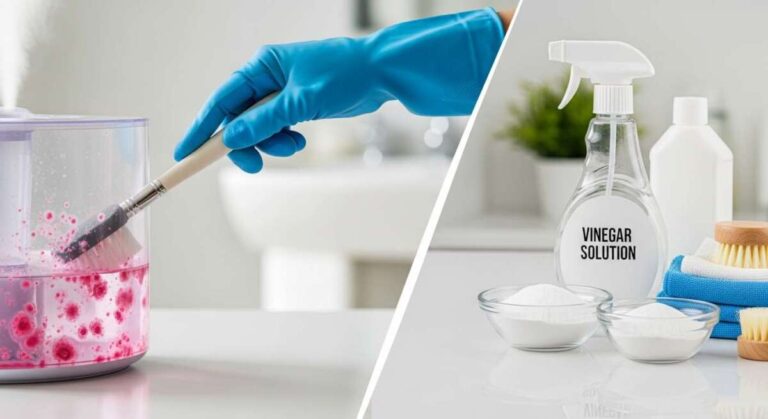
You do not need expensive soap. You need white vinegar.
Vinegar is an acid. Minerals are a base. When they meet, the minerals dissolve. It is like magic.
Step 1: The Weekly Soak
- Unplug the unit. Safety first. Never clean a plugged-in machine.
- Empty the water. Pour out any old water from the tank and the base.
- Add Vinegar. Pour one cup of white vinegar into the base. Make sure it covers the ultrasonic plate or the heating element.
- Fill the Tank. Pour another cup of vinegar into the tank. Add some water to dilute it. Swish it around.
- Wait. This is the hard part. Let it sit for 20 minutes. Go have a coffee. Let the vinegar do the work.
Step 2: Scrub and Rinse
After 20 minutes, come back.
Look at the base. You might see flakes floating. That is the scale coming off.
- Pour it out. Dump the vinegar down the sink.
- Scrub. Use a soft brush. An old toothbrush is perfect. Scrub the metal plate gently. Scrub the corners.
- Rinse. Rinse everything with fresh, cold water. Rinse it three times. You do not want your room to smell like a salad.
- Dry. Wipe it with a clean towel.
Disinfecting: Killing the Germs
Vinegar removes rock. It does not kill all germs.
Once a month, you need to disinfect.
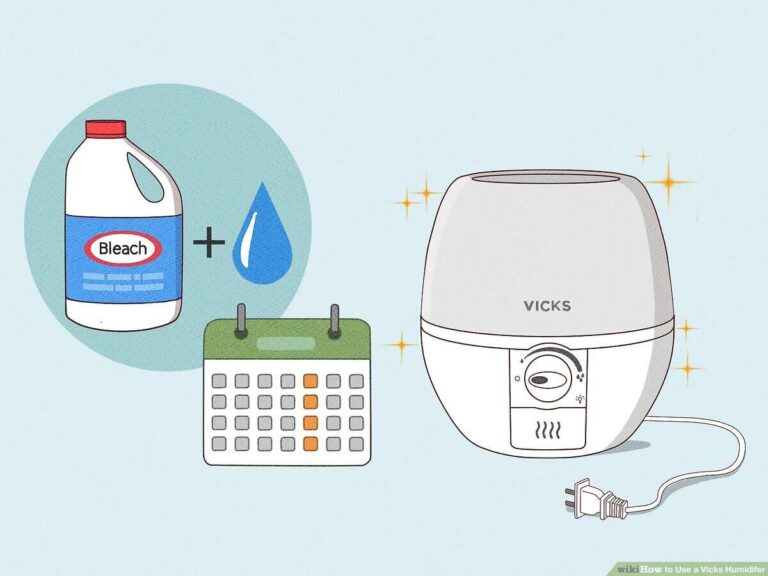
Warning: Never mix vinegar and bleach. It creates a toxic gas. Rinse the vinegar away completely before this step.
- Mix one teaspoon of bleach with one gallon of water.
- Fill the tank with this mix.
- Let it sit for 20 minutes.
- Rinse until the bleach smell is gone.
This keeps the air safe. It keeps your lungs happy.
Troubleshooting: When Things Go Wrong
Even with cold water, issues pop up. Let’s fix them.
Problem: The Mist Smells Bad
Cause: Old water or mold.
Fix: You left water sitting too long. Dump it out. Do the bleach clean we just talked about.
Tip: Never leave water in the tank if you are not using it. If the machine is off, the tank should be dry.
Problem: No Mist is Coming Out
Cause: Clogged plate.
Fix: You might have used hot water once. Or you used tap water. The minerals clogged the plate.
Try this: Do a straight vinegar soak for an hour. If that fails, the plate might be broken.
Problem: Water Leaks on the Table
Cause: Warped tank or loose cap.
Fix: Check the rubber ring in the cap. Is it cracked? If the tank is warped from hot water, you cannot fix it. You need a new machine.
Frequently Asked Questions
Here are the questions I hear the most. I want to give you clear, honest answers.
Should I Use Cold Or Hot Water In A Humidifier?
You should almost always use cold water. Cold water protects the seals from leaking. It protects the motor from overheating. It also slows down the growth of mold and bacteria. Most machines are built for cool water only.
Does Hot Water Improve Humidifier Efficiency?
No, hot water does not help efficiency. In fact, it hurts it. Ultrasonic machines have to work harder if the water is hot. The sensors might get confused. Cold water allows the machine to run exactly as the engineers designed it.
Can Hot Water Damage My Humidifier?
Yes, hot water can destroy your humidifier. The heat softens the plastic tank. This leads to leaks. It can also damage the ultrasonic vibrating plate. Once this damage happens, you cannot repair it. You will have to buy a new one.
Is Cold Water Safer For Humidifier Health?
Yes, cold water is much safer. Bacteria thrive in warm, moist places. Hot tap water is often the perfect temperature for germs to multiply. Cold water keeps the bacteria dormant for longer. This gives you cleaner, safer air to breathe.
Can You Put Hot Water in Vicks Humidifier?
Even for Vicks steam vaporizers, you should start with cold water. The machine will boil it for you. Adding hot water can make it boil too fast. This can cause the machine to spit hot water. It is a safety risk for burns.
How Often Should I Change the Water?
You must change the water every single day. Do not top it off. Empty the old water first. Rinse the tank. Then fill it with fresh, cold water. This prevents slime and mold from growing inside the tank.
Is Boiled Water the Same as Distilled Water?
No, boiled water is not the same. Boiling kills bacteria, but it leaves minerals behind. In fact, boiling concentrates the minerals. Distilled water has been captured as steam. It has zero minerals. Always choose distilled water over boiled water.
Can I Add Essential Oils to the Water?
Usually, no. Oil eats plastic. If you put oil in the tank, it might crack. Only add oil if your machine has a special “aroma tray.” If it does not, keep the oils out of the tank.
Conclusion
We have covered a lot today. We looked at the science. We looked at the safety. We looked at the money.
The answer to “Do you put cold or hot water in a humidifier” is clear.
Use cold water.
Here is your final checklist for success:
- Use Cold Water: Keep your machine safe. Keep your family safe from burns.
- Use Distilled Water: Stop the white dust. Protect your lungs.
- Clean it Weekly: Use vinegar to fight the rocks. Use bleach to fight the bugs.
- Empty it Daily: Never let water sit.
I hope this guide helps you. I hope your air feels fresh.
Don’t make the mistake I made. Don’t melt your tank. Treat your humidifier right, and it will help you breathe easy for years to come.
Stay cool. Stay healthy. And keep that water cold.