Do Whole House Humidifiers Cause Mold? Truth Revealed
It was the middle of February, and my house felt like a desert. My skin felt like sandpaper every time I put on a sweater. My youngest daughter kept waking up with a dry cough. The air in our home was bone dry.
Like many of you, I wanted a quick fix. I walked down to the basement, found the humidistat on my furnace, and cranked up my whole house humidifier. I heard the water click on. I thought I was doing the right thing for my family.
But a few weeks later, I walked past a floor vent and smelled something. It wasn’t fresh. It was earthy. It smelled like old gym socks left in a locker. I ignored it at first, but then I saw small dark spots forming near the ceiling vent.
Panic set in immediately.
Do whole house humidifiers cause mold?
That question kept me up at night. Had I ruined my ductwork? Was I pumping fungus into my kids’ bedrooms?
I learned the answer the hard way, through trial, error, and a visit from a very expensive HVAC technician. Now, I want to share that truth with you so you don’t make my mistakes.
The short answer is no. The machine itself does not cause mold. However, how you use it certainly can.
If you are worried, stay with me. I will explain everything. We will talk about how to stay safe, how to keep your air clean, and how to fix dry air without inviting mold into your home.
Understanding the Basics: How These Machines Work
First, we need to understand what this metal box actually does. It is not magic. It is simple science.
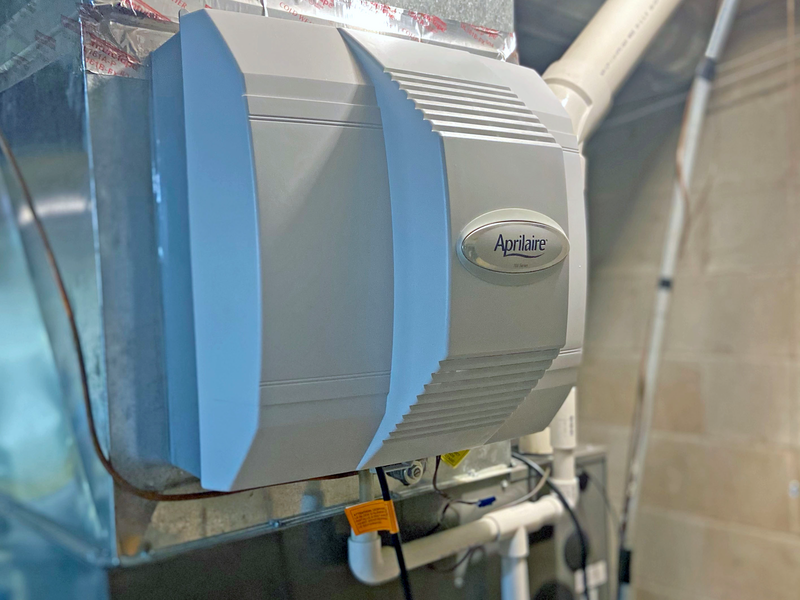
A whole house humidifier is attached directly to your HVAC system (your furnace). When your heat turns on, the blower fan pushes hot air through your ducts. Some of that hot air is diverted into the humidifier.
Inside the unit, there is a special mesh screen. Depending on your model, this is called a water panel, a pad, or a filter. Water trickles down this panel, keeping it wet. The hot, dry air passes through the wet panel and drinks up the moisture.
Then, this moist air travels to every room in your house.
This process is amazing for preserving your wood floors. It is essential for stopping static electricity. But, it involves water. And as we all know, water can be tricky.
If water sits still, bad things grow. If water leaks, wood gets wet. This is where the fear comes from.
Proper whole house humidifier maintenance is the only thing standing between you and a problem. Without it, the machine is just a wet, dark box. That is a playground for mold.
Credit: www.homeserve.com
The Big Question: Do Whole House Humidifiers Cause Mold?
Let’s be crystal clear. The humidifier is a tool. A hammer does not build a house by itself, and a humidifier does not grow mold by itself.
But, it can create the perfect environment for mold if you aren’t careful.
Mold needs three specific things to grow. We call this the “Mold Triangle”:
- Food: Dust, wood, drywall, or paper.
- Temperature: Warmth (like your heated home).
- Moisture: Water or high humidity.
Your home always has food (dust in the ducts). Your home always has warmth. The humidifier provides the final piece: moisture.
If you add too much moisture, mold grows on your walls. If you do not clean the unit, mold grows inside the drain pan. Then, your furnace fan blows those spores into your living room.
This is why you must check for signs of mold in air ducts. If you smell musty air the moment the heat turns on, stop. That is your warning sign.
My Personal Scare: A Lesson in Neglect
I want to be honest with you because I want you to trust me. I am not perfect.
Three years ago, I installed a new bypass humidifier. I was so proud of it. I set it to 45% humidity. The air felt great. My dry skin vanished.
Then, life got busy.
Summer came, and I turned the dial to “Off.” I forgot about it completely.
Winter came back. I simply walked downstairs and turned the dial to “On.”
I did not open the box. I did not change the water panel. I thought, “It looks fine from the outside.”
That was a massive mistake.
By January, that “gym sock” smell hit us. It was heavy. It smelled damp. I finally went to the basement and popped the plastic cover off the humidifier.
The water panel was not white or gray. It was black. There was slime clogging the drain tube.
I felt terrible. I realized I was blowing air through a moldy sponge directly into the rooms where my family slept.
I threw the panel away immediately. I scrubbed everything with vinegar until my hands smelled like a salad. I learned my lesson that day. You cannot “set it and forget it.” You must be active.
The Danger Zone: Humidity Levels That Cause Trouble
So, how much water is too much? This is where people get confused.
We measure moisture using Relative Humidity (RH).
- 0-30%: This is too dry. Viruses spread easier. Wood furniture cracks.
- 30-50%: This is just right. This is the ideal humidity level for home health.
- 55-60%+: The Danger Zone.
Mold loves it when humidity hits 60%. Dust mites love it too.
If your windows are wet in the morning, you have a problem. We call this “weeping windows.” It is condensation. It means the air holds more water than it can handle. That water runs down the glass and soaks the wood frame. Mold will grow there within 48 hours.
You cannot just guess the humidity. You need a tool called a hygrometer. It looks like a thermometer, but for moisture. You can buy one for $10. Put it in your living room. Check it every morning.
If it says 55%, turn your humidifier down. Do it right away.
Types of Humidifiers and Their Mold Risks
Not all machines are built the same. Each type has its own risks. You should know what you have in your basement.
1. Bypass Humidifiers
This is the most common type. It uses the furnace’s own airflow.
- The Risk: It relies on a gravity drain. If the drain tube gets clogged with minerals or algae, water sits in the tray. Standing water is bad news.
- The Fix: Check the clear drain tube every month. Make sure water is flowing.
2. Fan-Powered Humidifiers
These have their own built-in fan to push more air.
- The Risk: They hold more water and have more moving parts. Dust sticks to the fan blades. When that dust gets wet, it turns into sludge.
- The Fix: You must clean the fan blades once a year.
3. Steam Humidifiers
These boil water and shoot steam into the duct. They are very powerful.
- The Risk: Because they are so strong, they can add too much moisture very fast. If the steam condenses inside your metal ducts, you get rust and mold. This is the core of the bypass vs steam humidifier mold risk debate.
- The Fix: Use a high-quality humidistat that measures outside temperature.
Identifying the Enemy: Common Household Molds
If you do find mold, what are you looking at? Not all mold is the same.
- Cladosporium: This is often black or green. It grows on the back of toilets, on painted surfaces, and fiberglass air ducts. It is very common.
- Aspergillus: This looks like dust or powder. It floats in the air. It loves to grow on filter pads and dust bunnies.
- Stachybotrys: This is the infamous “Black Mold.” It looks slimy and wet. It is dark greenish-black. It grows on cellulose materials like drywall or paper that has been wet for a long time.
If you see slimy black spots, do not touch them. Call a professional. But if you see a little dust on a vent, wipe it down with vinegar.
Mold makes you sick. It triggers sneezing, red eyes, and rashes. If you feel sick only when you are at home, check your air system.
Step-by-Step Guide: Keeping Your Humidifier Mold-Free
You can stop mold before it starts. It is easy. You just need a routine.
Here is my personal method. I do this once a month during winter.
Step 1: Turn Power Off
Safety is first. Turn off the switch on your furnace. Unplug the humidifier power cord.
Step 2: Open the Unit
Take off the plastic cover. Look at the water panel (the wick).
Step 3: Check the Panel
Is it hard and crunchy? Is it full of white rocks (minerals)? Is it black?
If yes, throw it away. Buy a new one. They are cheap. Do not try to wash a paper panel. It will fall apart.
Step 4: Clean the Tray
There is a distribution tray at the top and a drain pan at the bottom.
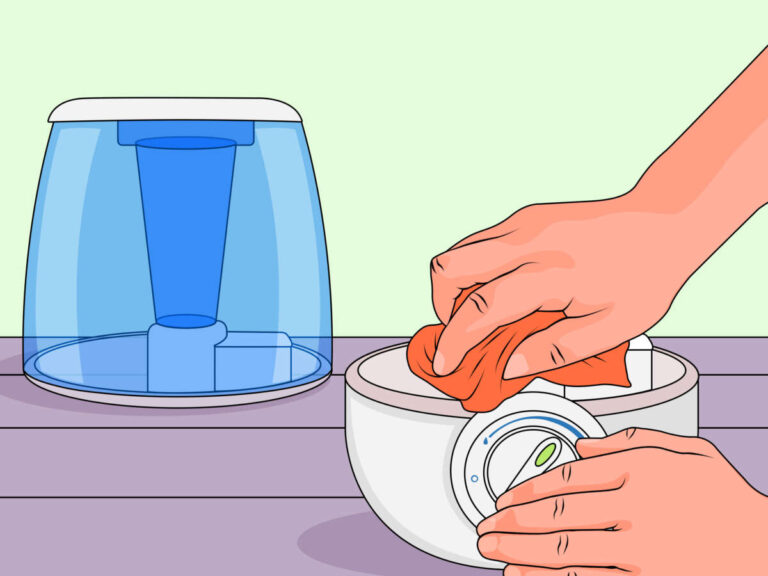
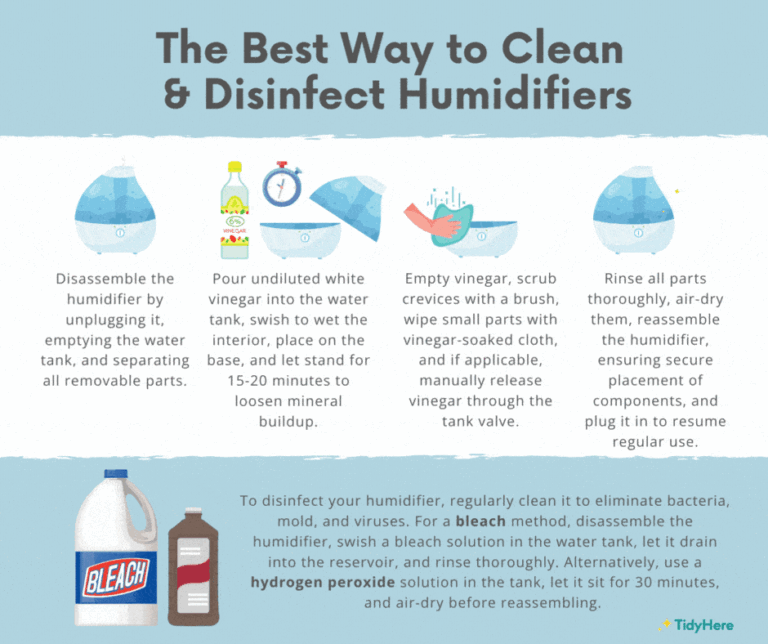
Use a mix of warm water and white vinegar (50/50). Scrub the tray with a brush. Remove the slime. Vinegar kills mold roots better than bleach on porous surfaces.
Step 5: Check the Drain
Pour a little water down the drain tube. Does it flow fast?
If it backs up, you have a clog. Squeeze the tube to break up the gunk. A clogged drain leads to overflows.
Step 6: Put it Back
Put the new panel in. Make sure the “Paint Mark” is at the top (check your manual). Close the cover. Turn the power on.
This takes 10 minutes. It saves you from a mold nightmare. It is worth it.
Troubleshooting Common Issues
Sometimes, things break. A broken humidifier is a mold factory waiting to happen.
One big issue is a furnace humidifier leaking water.
If you walk into your utility room and see water on the floor, act fast.
- Check the Water Line: Is the nut tight?
- Check the Pad: Is the pad old? Old pads get clogged with minerals. Water cannot go through them, so it spills over the sides.
- Check the Pressure: Is the water flow too high? You might need to turn the saddle valve down a little.
Water on the basement floor soaks into the concrete. It travels to nearby boxes or drywall. This creates a musty basement smell. Keep the floor dry.
Best Practices for Prevention
I want you to be a pro at this. Follow these simple rules.
1. The End-of-Season Clean
When spring comes, do not just turn the dial to “Off.”
Open the unit. Throw away the wet pad immediately.
If you leave a wet pad in a hot attic or closet all summer, it will rot. It will grow a jungle of mold. Leave the unit dry and empty for the summer.
2. Use Cold Water
Connect your unit to the cold water line. Hot water helps bacteria grow faster. Cold water stays fresh longer.
3. Change Furnace Filters Often
Your furnace has its own air filter. Change it every 3 months. A clean air filter keeps dust out of the humidifier. Less dust means less food for mold.
4. Pick the Right Machine
If you are buying a new one, look for the best whole house humidifier for preventing mold. These are usually steam units or bypass units designed with automatic flushing cycles that drain old water.
When to Ditch the Whole House Unit
Sometimes, a whole house unit is not the right choice for your home.
If you have very old ductwork that has never been cleaned, adding moisture can be risky. The moisture mixes with decades of dust.
If you live in a small home or an apartment, try a portable unit instead.
- Portable Humidifiers: You can clean them in the sink every week. You can see the water level. You have total control.
- Dehumidifiers: Remember, in the summer, you need the opposite. You must remove water.
Balance is the key to a healthy home.
Frequently Asked Questions (FAQ)
Here are the questions I hear all the time from neighbors and friends.
Can a dirty humidifier filter make me sick?
Yes, it absolutely can. A dirty filter holds bacteria and mold spores. The fan blows these germs into the air you breathe. This can cause “Humidifier Fever,” which feels like the flu. You must change it regularly.
How often should I change the water panel?
You should change it at least once per year. However, if you have hard water, change it twice. If you use the humidifier heavily, check it halfway through the winter. A fresh panel works better and stays cleaner.
Is bleach safe for cleaning my humidifier?
Bleach is harsh. It can damage the plastic parts and seals. It also gives off strong fumes that spread through the house. White vinegar is better. Vinegar kills mold and dissolves mineral buildup safely. It is safer for your machine and your lungs.
Do I need to use distilled water?
For whole house units, you usually use tap water. However, hard water leaves dust. If you have very hard water, you might see white dust on your furniture. A steam humidifier might need a special filter to remove minerals.
Conclusion
Let’s go back to where we started. Do whole house humidifiers cause mold?
No. Neglect causes mold. Excess moisture causes mold. Lack of airflow causes mold.
You can have a comfortable home. You can have soft skin in January. You can stop those nosebleeds. You just need to be smart about it.
- Keep humidity under 50%.
- Change the water panel every season.
- Clean the drain line.
- Check for leaks.
It is that simple. Don’t be like the old me. Don’t wait for the smell. Take care of your home, and it will take care of you.
Go downstairs right now. Check your settings. Your lungs will thank you.