Are Humidifiers Covered by Hsa: Essential Guide
Have you ever stood in the pharmacy aisle, staring at a humidifier? You hold your HSA card in your hand. You wonder, “Will this work?”
I have been there. It is confusing.
You have tax-free money in your Health Savings Account (HSA). You want to use it. You know a humidifier helps your health. But you also know the IRS has strict rules.
If you swipe the card, will it decline?
If it goes through, will you get audited later?
These are smart questions.
The short answer is: Yes, humidifiers are covered, but you need proof.
In this guide, I will walk you through everything. We will cover the rules for 2025. I will share my own story of a rejected claim. Most importantly, I will show you exactly how to get approved.
We will keep it simple. We will keep it friendly. Let’s dive in.
My Personal “Audit Scare” Story
Let me tell you a quick story. It was 2021. My son had a terrible cough. The doctor said, “Get a humidifier.”
So, I went to a big box store. I saw a fancy ultrasonic humidifier. It looked sleek. It was expensive. I thought, “Great, I have HSA money for this.”
I swiped my HSA debit card. It worked! I felt like a financial genius.
Three months later, I got a letter from my HSA administrator. They wanted “substantiation.” That is a fancy word for proof.
I sent the receipt. They rejected it.
Why? Because the receipt just said “Humidifier.” It did not say why I bought it. To them, it looked like a lifestyle purchase. It looked like I bought it for comfort, not a cure.
I had to scramble. I had to call my doctor. I had to get a specific letter backdated. It was a headache.
I learned a valuable lesson that day. The receipt is not enough.
You need to know the rules before you buy. I don’t want you to have that headache. So, let’s fix this for you right now.
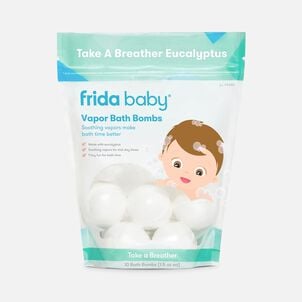
Credit: hsastore.com
The Short Answer: Yes, But…
Can you buy a humidifier with your HSA?
Yes.
But there is a catch. You cannot just buy one because you like moist air. You cannot buy one just because your skin feels dry in winter.
To the IRS, that is “general health.” HSA money is for “medical treatment.”
There is a fine line between comfort and treatment.
- Comfort: “I want my room to feel like a spa.” (Not Covered).
- Treatment: “I have asthma and dry air triggers an attack.” (Covered).
To bridge this gap, you need a specific document. This document turns a household appliance into a medical device.
We will talk about that document in a moment. First, we need to understand the rule that confuses everyone.
Understanding the “Dual Purpose” Rule
The IRS has a concept called the “Dual Purpose” rule. This is key to understanding HSA reimbursement rules 2025.
Some items are purely medical.
Think of a hearing aid. You only buy a hearing aid if you are deaf. You do not buy it for fun. The IRS approves this instantly.
Some items are “Dual Purpose.”
Think of a humidifier.
- Purpose 1: It helps medical conditions like bronchitis.
- Purpose 2: It keeps your houseplants alive and makes your furniture look nice.
Because it has a second purpose, the IRS is suspicious. They assume you are buying it for your furniture unless you prove otherwise.
This is why your HSA card might work for Tylenol but get declined for a humidifier. The system knows it is a “Dual Purpose” item. It wants you to pause and check the rules.
The Golden Ticket: The Letter of Medical Necessity (LMN)
So, how do you prove it is medical?
You need a Letter of Medical Necessity for humidifier approval.
Many people think a prescription script is enough. Sometimes it is. But a Letter of Medical Necessity (LMN) is better. It is safer.
An LMN is a formal note from your doctor. It must contain three specific things:
- The Diagnosis: What specific condition do you have? (e.g., Sleep Apnea).
- The Recommendation: That a humidifier is the required treatment.
- The Duration: How long do you need it? (e.g., “Lifetime” or “12 months”).
Pro Tip: If you just have a script on a prescription pad, it might work. But if you get audited, the IRS wants to see the diagnosis connection. The LMN connects the dots.
When you go to the doctor, do not just ask for a humidifier. Say this:
“Doctor, can you write me a Letter of Medical Necessity for a humidifier to treat my [Condition]? My HSA requires it.”
They do this all the time. They will know what you mean.

Credit: getcanopy.co
Medical Conditions That Qualify
You might be wondering, “Does my condition count?”
Here are the most common conditions that qualify for a humidifier:
1. Respiratory Issues
- Asthma: Dry air can tighten the airways. Moist air relaxes them.
- Chronic Bronchitis: Moisture loosens mucus.
- COPD: Helps with breathing comfort.
2. Sleep Apnea
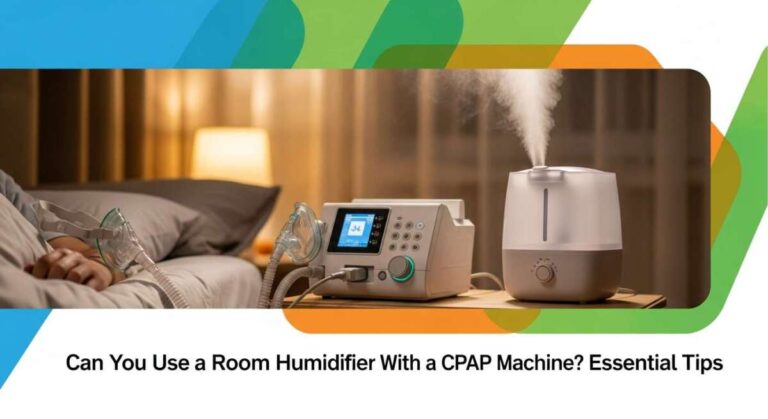
If you use a CPAP machine, you know about dry mouth. A room humidifier is often recommended alongside the CPAP. This is a very strong case for HSA coverage.
3. Allergies
Dry nasal passages allow allergens to enter the body easily. Humidity keeps the nose healthy.
4. Skin Conditions
We are not talking about dry winter hands. We are talking about medical issues.
- Eczema: Doctors often prescribe humidity to prevent flare-ups.
- Psoriasis: Moisture helps heal plaques.
5. Pediatric Care
Does your baby have croup? Frequent colds? A pediatrician can write an LMN for a nursery humidifier.
If you have one of these, you are in the clear. Just get the paper.
HSA vs. FSA: Is the Rule the Same?
You might have a Flexible Spending Account (FSA) instead of an HSA.
Are FSA eligible humidifiers treated differently?
The tax rules are the same. Both follow IRS Publication 502. Both require the LMN because of the Dual Purpose rule.
However, the administration is different.
- HSA: You own the account. You keep the records. You might not have to show the receipt unless the IRS audits you years later.
- FSA: Your employer owns the account. The administrator (like Wex or Wageworks) checks every claim immediately.
If you use an FSA card, expect to be asked for the LMN within weeks. If you use an HSA card, you simply need to file the LMN in your personal tax cabinet.
Key Takeaway: FSA users need to be faster with their paperwork. HSA users need to be more organized for the long term.
Types of Humidifiers: Which Ones Qualify?
Are all humidifiers created equal?
Mostly, yes. But there are nuances.
1. Cool Mist Humidifiers
These are the most common. Is a Cool mist humidifier HSA eligible? Yes. Doctors prefer these for children because there is no hot water risk.
2. Warm Mist Humidifiers
Also eligible. These are often used for treating colds and flu symptoms.
3. Ultrasonic Humidifiers
Eligible. These are quiet and efficient.
4. Whole-House Humidifiers
This is tricky. A whole-house unit attaches to your furnace. It costs thousands.
Because it is a permanent improvement to your home, the rules change. It is a “Capital Expense.”
You can only deduct the cost that exceeds the value added to your home.
- Example: You spend $1,000. The appraiser says your home value went up by $400. You can only use $600 of HSA money.
This is a headache. Stick to portable room humidifiers. They are much easier to expense.
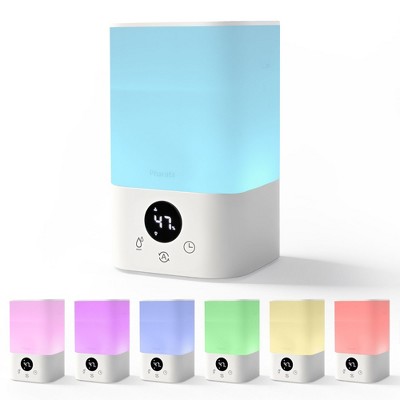
Credit: www.target.com
Step-by-Step Guide: How to Buy with HSA Funds
Let’s make this actionable. Here is your checklist for buying a humidifier without getting in trouble.
Step 1: Get the Diagnosis
Visit your doctor. Confirm that a humidifier helps your condition.
Step 2: Get the LMN
Ask for the Letter of Medical Necessity. Ensure it lists the condition and the duration.
- Note: LMNs usually expire after one year. You may need a new one next year.
Step 3: Choose Your Payment Method
- Option A (HSA Card): Swipe your card at the store. If the store’s system is coded correctly (SIGIS certified), it will work. If it declines, use Option B.
- Option B (Personal Card): Pay with your credit card. Earn your travel points. Then, reimburse yourself from the HSA portal later.
Step 4: Save the Receipt
Do not trust the thermal paper receipt. It fades in six months.
Take a picture immediately. Upload it to a Google Drive folder named “2025 Tax Docs.”
Staple the physical receipt to your LMN.
Step 5: Submit or File
- If you reimbursed yourself, log into your HSA portal. Upload the receipt and LMN. Transfer the money to your bank.
- If you used the HSA card, just keep the docs safe in case of an audit.
Where to Buy: HSA Store vs. Amazon vs. Walmart
Where you shop matters.
The HSA Store / FSA Store
There are websites dedicated to this.
- Pros: Everything on the site is pre-vetted. If they sell it, it is usually eligible. They often accept the HSA card without issues.
- Cons: Prices can sometimes be higher than Amazon.
Amazon
Amazon has a filter for “FSA/HSA Eligible.”
- Pros: Cheap, fast shipping.
- Cons: Sometimes the “Eligible” badge is wrong. Amazon does not control IRS rules. You still need the LMN.
Pharmacy Chains (CVS/Walgreens)
These systems are smart. They know which items are eligible.
- Pros: Instant approval at the register.
- Cons: Limited selection.
My Advice: Buy where it is cheapest. But always have that LMN in your hand. The store doesn’t matter as much as the paperwork.
Can You Expense the “Extras”?
This is where you can get some extra value. If your humidifier is medically necessary, the things that make it run are also necessary.
1. Distilled Water
Doctors recommend distilled water to prevent mold.
If you have an LMN for the machine, the water is a “supply.” It is eligible.
Keep those receipts!
2. Replacement Filters
Wick filters need changing. These are definitely eligible.
3. Cleaning Products
White vinegar used to clean the machine? Technically, yes, if used only for the machine. But this is hard to prove. I would skip expensing a $2 jug of vinegar. It’s not worth the audit risk.
4. Electricity
This is for the hardcore tax planners.
Technically, you can expense the increase in your electric bill caused by a medical device.
- Verdict: Do not do this. The calculation is complex. The savings are pennies. It screams “Audit Me.”
Common Mistakes to Avoid
I have seen people make these errors. Don’t be them.
1. The “Date” Mistake
You buy the humidifier in January. You get the LMN in March.
- The Rule: The diagnosis must exist before the purchase. Ideally, the letter should be dated before or on the same day.
2. The “Diffuser” Trap
You buy an essential oil diffuser. It adds moisture, right?
- The Rule: No. Diffusers are for “smell” and “wellness.” They are almost never covered. Stick to devices labeled “Humidifier.”
3. Losing the Paperwork
You throw away the box and receipt.
- The Rule: No receipt = No proof. The bank statement showing “Target – $40.00” is not enough. It must show “Vicks Humidifier.”
What to Do If Your Claim Is Denied
You submitted the claim. You got a “Denied” email.
Do not panic.
- Read the Reason Code: usually, it says “Lack of Substantiation” or “Ineligible Item.”
- If “Ineligible”: This means they don’t see the LMN. Upload the LMN.
- If “Lack of Substantiation”: This means the receipt is bad. Upload a clear photo of the full receipt.
- Call Them: HSA customer service agents are helpful. Ask, “What exactly do you need?”
Usually, it is just a missing document. It is rarely a hard “No.”
HSA Rules for 2025: What Changed?
As we look at HSA reimbursement rules 2025, inflation is the big story.
The IRS increases contribution limits almost every year.
- This means you have more tax-free money to spend.
- It does not change the definition of a humidifier. The “Dual Purpose” rule remains the same.
However, technology is changing. Many doctors now do telehealth visits. You can get an LMN via a video call. This makes the process much faster than in the past.
Alternative Funding Options
What if you don’t have an HSA? Or what if your account is empty?
1. Health Reimbursement Arrangement (HRA)
If your employer offers an HRA, ask them. HRAs are owned by the boss. They set the rules. Some bosses allow humidifiers without questions. Others follow IRS rules strictly.
2. Medical Expense Tax Deduction
If you spend a lot of money on healthcare (more than 7.5% of your income), you can deduct expenses on your tax return.
The humidifier counts toward this total. Again, you need the LMN.
Maintenance and Safety: Protecting Your Investment
If you are buying this for health, you must keep it healthy. A dirty humidifier is worse than no humidifier.
My Sunday Ritual:
Every Sunday, I take my humidifier to the kitchen.
- I pour in white vinegar.
- I let it soak for 20 minutes.
- I scrub the base.
- I rinse it well.
If you don’t do this, mold grows. If mold grows, you are blowing spores into your lungs. That defeats the purpose.
Since you spent good HSA money on this, take care of it.
User Intent Section: Is It Worth the Hassle?
You might be reading this and thinking, “Jaxon, this sounds like a lot of work for a $40 machine.”
You are right.
If you are buying a cheap $30 unit, the hassle of getting a doctor’s note might not be worth the tax savings (which might be only $10).
However, if you are buying a high-end unit?
Some humidifiers cost $200, $300, or even $500 (like the Dyson models).
The tax savings on $500 is significant. It could be $150 saved.
The Verdict:
- For a $30 unit: Just buy it with cash. Skip the paperwork.
- For a $200+ unit: Get the LMN. Use the HSA. It is worth the effort.
Checklist for Your Doctor Visit
To make this easy, copy this script for your next appointment.
Script:
“I am looking to use my HSA to purchase a humidifier to help manage my [Condition]. My HSA administrator requires a Letter of Medical Necessity. Could you please note in my file that this is medically necessary for my treatment?”
What to ensure they write down:
Frequently Asked Questions (FAQs)
1. Can I use my HSA for a humidifier without a doctor’s note?
Technically, no. While the card might work at the store, you are violating IRS rules. If audited, you will owe taxes and penalties on that money. Always get the Medical necessity form for HSA files.
2. Are Dyson humidifiers HSA eligible?
Yes, but they are scrutinized more because they are luxury items. You definitely need a Letter of Medical Necessity to prove you need that specific humidification, not just a fancy fan.
3. Does the letter of medical necessity expire?
Yes, typically they are valid for one year. If you have a chronic condition like sleep apnea, ask your doctor to write “Lifetime” or “Indefinite” on the duration line to avoid getting a new one every year.
4. Can I buy a humidifier for my baby with my HSA?
Yes, if the baby is your tax dependent. You will need a pediatrician to recommend it for a specific issue like congestion or skin issues. General “comfort” for the baby is not enough.
5. What happens if I use HSA funds for a non-eligible humidifier?
You must report that amount as taxable income on your tax return. You will also pay a 20% penalty if you are under age 65. It is best to correct the mistake by putting the money back into the account if possible.
Conclusion
So, are humidifiers covered by HSA plans?
Yes. They are a valuable tool for your health. They soothe your lungs, save your skin, and help you sleep.
But remember the golden rule: Medical Necessity.
Do not guess. Do not assume.
Get the letter. Save the receipt. Keep your records clean.
If you do this, you can enjoy that fresh, moist air with the peace of mind that you saved money and followed the rules.
Your health is an investment. Use your HSA wisely to protect it.
Now, go check your account balance and book that doctor’s appointment!
Disclaimer: I am a content writer and researcher, not a CPA or Tax Attorney. This article is for informational purposes only. IRS rules can change. Always consult with a qualified tax professional or your HSA administrator regarding your specific situation.