
What to Add to Humidifier Water: Essential Tips for Safe Use
Let me ask you something.
Have you ever stood over your humidifier and wondered,
“What should I actually add to humidifier water?”
I have.
A few winters ago, I used regular tap water in my humidifier. At first, everything seemed fine. However, after a week, I noticed white dust covering my dark furniture. I also noticed the tank felt gritty inside.
That’s when I realized something important.
What you add to humidifier water truly matters.
Today, I’ll guide you clearly. I’ll share what works. I’ll explain what to avoid. And I’ll back it up with trusted guidance from health authorities.
So let’s start simple.
Why What You Add to Humidifier Water Matters
Humidifiers push water into the air.
If the water is clean, the mist is clean.
If the water contains minerals or bacteria, those can enter the air too.
According to the Environmental Protection Agency, indoor air quality affects health and comfort. Meanwhile, the Centers for Disease Control and Prevention explains that poorly maintained humidifiers can spread mold and bacteria.
So this is not just about performance.
It’s about health.
Therefore, choosing the best water for humidifier use is essential.
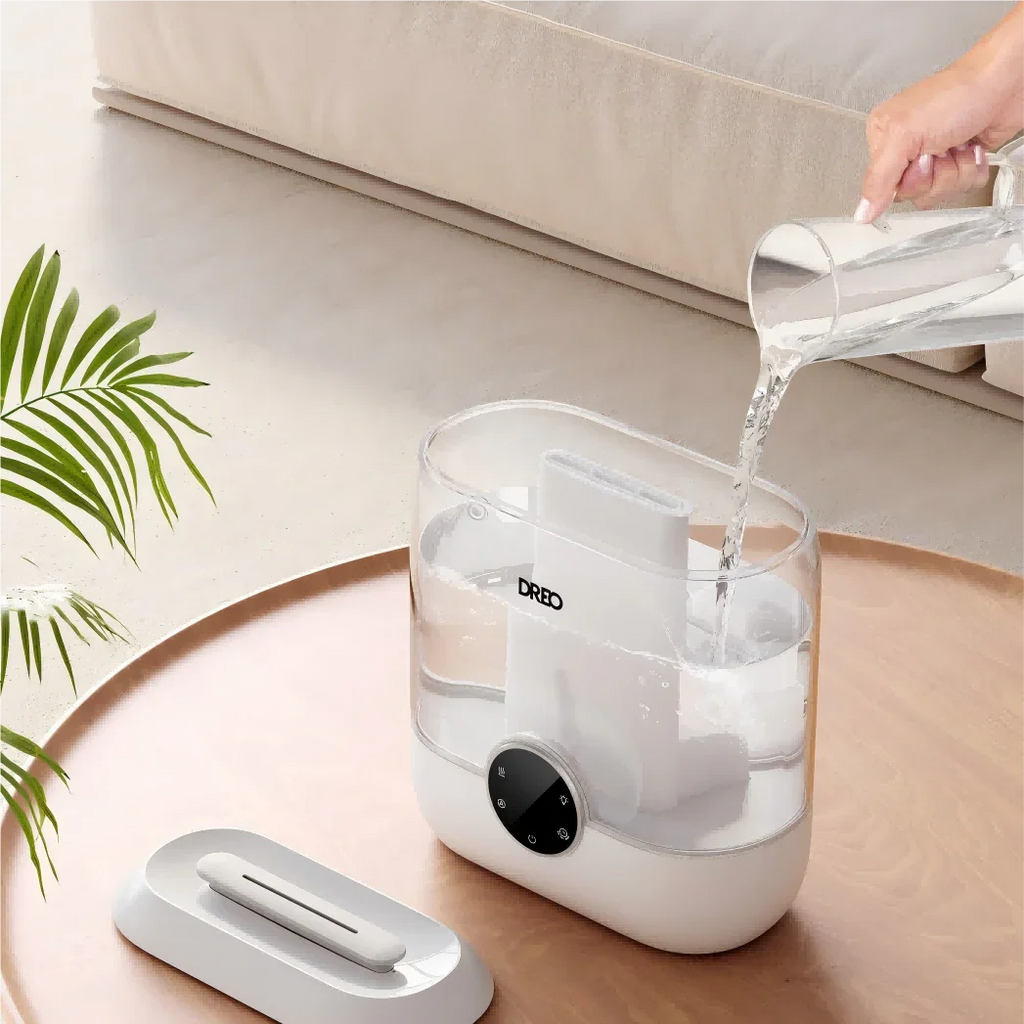
Credit: www.dreo.com
Best Water to Use in a Humidifier
Let’s compare your options.
1. Tap Water
Tap water is easy.
It is cheap.
However, it often contains minerals like calcium.
When you use tap water, especially in an ultrasonic humidifier, those minerals may become airborne.
That creates white dust.
This is a common hard water humidifier problem.
Now, is it always dangerous?
Not necessarily.
However, it increases cleaning and may irritate sensitive lungs.
2. Distilled Water
Distilled water contains almost no minerals.
Therefore, it reduces white dust.
It also reduces scale buildup inside the tank.
When I switched to distilled water, cleaning time dropped by half.
Surfaces stayed cleaner.
The tank felt smoother.
So although distilled water costs more, it often saves time.
3. Filtered Water
Filtered water removes some minerals.
It is a middle option.
It may reduce buildup but not eliminate it.
Still, it works better than plain tap water in many cases.
Can You Put Anything in a Humidifier?
Now here’s a big question.
Can you put anything in a humidifier besides water?
The short answer is no.
Most humidifiers are designed for water only.
Adding other substances can:
- Damage internal parts
- Clog filters
- Reduce mist output
- Void warranties
So before adding anything, always read your manual.
If the manufacturer does not approve it, avoid it.

Credit: www.amazon.com
Safe Humidifier Water Additives (If Approved)
Some manufacturers offer approved humidifier water additives.
These may include:
- Bacteriostatic treatments
- Demineralization cartridges
- Mineral reduction tablets
These products are designed for humidifier systems.
However, always follow instructions carefully.
Do not guess.
If your manual mentions compatible additives, use only those.
Otherwise, stick to clean water.
Should You Add Essential Oils to Humidifier Water?
This is one of the most common questions.
Many people search: “essential oils in humidifier safe?”
Let me share my experience.
Once, I added a few drops of eucalyptus oil into my standard humidifier tank.
At first, the scent was pleasant.
However, within days, I noticed oil residue clinging to the plastic walls.
Cleaning became harder.
Mist output changed.
Later, I learned something important.
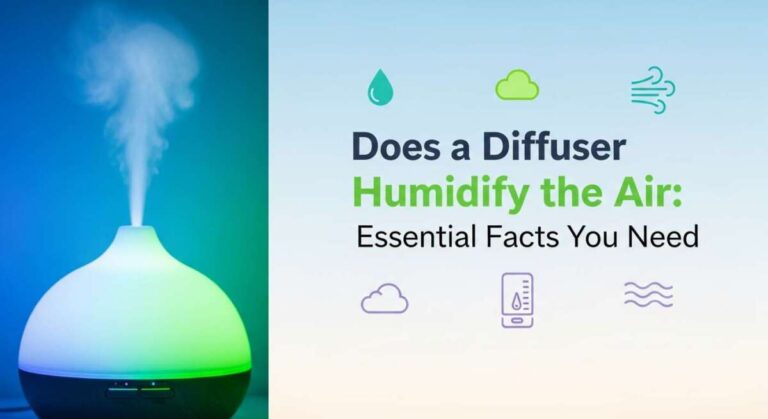
Humidifiers are not diffusers.
Unless your device specifically supports oils, avoid adding them.
The Mayo Clinic notes that strong scents may irritate sensitive airways.
So if you want aromatherapy, use a diffuser instead.
That protects both your lungs and your device.
What You Should NEVER Add to Humidifier Water
This part is critical.
Never add:
- Bleach
- Ammonia
- Household cleaners
- Perfumes
- Disinfectants
- Vinegar (except for cleaning)
These chemicals can become airborne.
That can irritate lungs.
It can also damage the humidifier permanently.
So even if something seems harmless, check first.
When in doubt, leave it out.
My Personal Experience: Tap Water vs Distilled
Let me explain what changed for me.
When I used tap water:
- White dust appeared weekly
- Cleaning took longer
- Mineral crust formed quickly
When I switched to distilled water:
- No white dust
- Tank stayed clean longer
- Fewer deep cleanings needed
So although distilled water costs more upfront, it reduced effort.
That was worth it for me.
However, if you live in an area with soft water, tap water may work fine.
So your location matters.

Credit: www.dreo.com
How to Prevent Mold and Bacteria in Your Humidifier
Now let’s talk about something very important.
Even if you use the best water for humidifier use, you still need proper care.
Because water plus warmth equals risk.
According to the Centers for Disease Control and Prevention, humidifiers can spread mold or bacteria if not cleaned regularly.
That sounds scary.
However, the fix is simple.
Daily Routine
First, empty the tank every day.
Do not leave water sitting overnight.
Stagnant water grows bacteria fast.
Then, rinse the tank with clean water.
After that, let it air dry before refilling.
This alone prevents most problems.
Weekly Deep Cleaning
Next, once per week, deep clean the device.
Here is my method:
- Unplug the humidifier.
- Empty all water.
- Fill tank with white vinegar.
- Let sit 20–30 minutes.
- Scrub gently with soft brush.
- Rinse thoroughly.
However, remember this:
Vinegar is for cleaning only.
Never run the humidifier with vinegar inside.
Dry Storage
If you stop using the humidifier, dry it fully.
Moist storage invites mold.
Therefore, wipe all parts dry before storing.
Optimizing Humidifier Performance Safely
Now let’s move forward.
Even if you know what to add to humidifier water, performance still depends on setup.
So here are key tips.
1. Maintain Proper Humidity Levels
Humidity should stay between 30% and 50%.
The Environmental Protection Agency recommends balanced indoor humidity to prevent mold growth.
Too little humidity dries your skin.
Too much humidity encourages dust mites.
So balance matters.
If your humidifier has a humidistat, use it.
Otherwise, consider buying a small hygrometer.
2. Proper Placement
Place your humidifier:
- On a flat surface
- At least 2 feet above the floor
- Away from walls
- Away from electronics
This allows even mist distribution.
Also, avoid placing it near direct sunlight.
Heat can increase evaporation unevenly.
3. Refill Before It Runs Dry
Do not let the tank empty completely.
Running dry strains the motor.
Therefore, refill before it fully empties.
This extends lifespan.
Common Mistakes to Avoid
Even smart users make mistakes.
So let me help you avoid them.
Mistake 1: Adding Essential Oils Without Approval
Unless your humidifier is oil-safe, avoid it.
Essential oils in humidifier tanks can cause residue.
As I learned personally, cleaning becomes difficult.
Mistake 2: Ignoring Hard Water Issues
Hard water causes scale.
Scale reduces efficiency.
Therefore, if you notice white dust, switch water type.
Mistake 3: Skipping Cleaning
Even if water looks clear, bacteria can grow.
So never skip weekly cleaning.
Mistake 4: Using Chemical Additives
Unless manufacturer-approved, avoid chemical solutions.
Harsh chemicals can become airborne.
That may irritate lungs.
Final Verdict: What to Add to Humidifier Water
Let’s answer clearly.
What to add to humidifier water?
In most cases:
Nothing but clean water.
Preferably distilled water.
If your manufacturer recommends specific humidifier water additives, you may use those carefully.
However, avoid oils and chemicals unless your unit supports them.
From my own experience, simple works best.
Clean water.
Regular cleaning.
Proper humidity levels.
That combination gives the safest results.
Frequently Asked Questions
1. What is the best water for humidifier use?
Distilled water is usually the best option because it contains very few minerals. This reduces white dust and mineral buildup inside the device. While tap water is cheaper and convenient, it may contain calcium and magnesium that can spread into the air. Therefore, distilled water often improves performance and reduces cleaning frequency.
2. Can I add essential oils to humidifier water?
You should only add essential oils if your humidifier is specifically designed for oil use. Most standard humidifiers are not built to handle oils and may become damaged or clogged. Additionally, oils can leave residue inside the tank, which may increase maintenance needs and affect mist output.
3. Should I add antibacterial solution to humidifier water?
Only use antibacterial or bacteriostatic treatments if the manufacturer recommends them. These products are made specifically for humidifier systems. However, regular cleaning and daily water changes are usually more effective than additives for preventing mold and bacteria growth.
4. Is tap water safe for humidifiers?
Tap water is safe in many areas, but it may contain minerals that create white dust or scale buildup. If you notice residue on nearby surfaces, consider switching to distilled or filtered water. The choice often depends on your local water hardness level.
5. How often should I change humidifier water?
You should change humidifier water daily. Empty the tank each night and refill with fresh water before use. This prevents stagnant water from encouraging bacteria growth and helps maintain cleaner indoor air quality.
Closing Thoughts
Now you know the truth.
What to add to humidifier water?
Usually nothing.
Just clean water.
However, the real secret is maintenance.
Because even the best water will not help if the device stays dirty.
So keep it simple.
Use distilled water if possible.
Clean weekly.
Monitor humidity.
And your humidifier will reward you with cleaner, healthier air.
That’s the safest and smartest approach.