
Do You Use Humidifier in Winter Or Summer: Essential Guide
Have you ever woke up with a dry mouth? Or maybe your skin feels itchy and tight? You might look at a humidifier and wonder. Is this for now? Or is it for later? Many people ask: Do you use humidifier in winter or summer? It is a common question. The answer is not just one word. It depends on your home. It depends on your air.
I have tested many air devices over the years. I learned a lot the hard way. I want to share that with you. This guide will help you breathe easy. We will look at winter dry air. We will look at summer AC units. You will learn when to turn it on. You will learn when to turn it off. Let’s make your home feel great all year.
Understanding Humidity: The Basics
First, we need to talk about water. Water is in the air all around us. We call this humidity. You cannot see it. But you can feel it. When air has water, it feels soft. When air has no water, it feels sharp.
Your body is mostly water. So, your body loves water in the air. It helps your skin. It helps your nose. It helps your lungs. But there is a limit. Too much water is bad. Too little water is bad. We need a balance.
The Ideal Number
Experts say there is a “sweet spot.” This is the perfect level of water in the air.
- Too Low: Below 30%. This is desert dry.
- Perfect: Between 30% and 50%. This is the ideal indoor humidity level.
- Too High: Above 60%. This is a swamp.
You want to stay in the middle. This keeps you safe. This keeps your home safe. If you go too low, you get sick. If you go too high, you get mold.
Do You Use Humidifier in Winter Or Summer?
So, back to the big question. Do you use humidifier in winter or summer? Most people use them in winter. This is very common. Winter air is cold. Cold air cannot hold water. It drops the water. So, the air becomes dry.
But summer is tricky. Summer air is hot. Hot air holds a lot of water. Usually, summer is humid. But wait. Do you use an air conditioner? An AC unit cools the air. It also removes water. So, your home can get dry in summer too.
The short answer is this. You use it when the air is dry. This happens mostly in winter. But it can happen in summer too. It depends on your AC. It depends on where you live.
Why You Need a Humidifier in Winter
Winter is tough on us. The air outside is cold and dry. Then we come inside. We turn on the heater. The heater warms the air. But it does not add water. It actually makes the air feel drier. This is a double hit.
My Winter Story
I remember one winter clearly. It was January. It was very cold outside. I kept waking up at night. My throat felt like sandpaper. It hurt to swallow. I drank water, but it did not help. I felt tired all day. My nose would bleed for no reason.
I bought a small humidifier. I put it by my bed. The first night, I slept through the night. My throat did not hurt in the morning. It was like magic. That was when I learned the truth. My body needed moisture. The dry air was hurting me.
Benefits of Humidifier in Winter
There are many benefits of humidifier in winter. Let’s look at them.
1. It Stops the Flu Virus
Viruses love dry air. They travel fast in it. They stay alive longer. Moist air is heavy. It pushes the virus down. Also, your nose needs slime. I know, it sounds gross. But that mucus traps germs. Dry air dries out your nose. Then germs get in. Moist air keeps your nose wet. This stops germs.
2. It Saves Your Skin
Do your hands crack in winter? Do your lips bleed? This is from dry air. Lotions help a little. But the air sucks the water out of your skin. A humidifier puts water back. Your skin stays soft. It glows. You look younger.
3. It Protects Your Home
Your home has wood. Maybe wood floors. Maybe wood doors. Wood needs water too. Dry air pulls water from wood. The wood shrinks. It cracks. It splits.
I have an old guitar. One winter, I left it out. The air was too dry. The wood on the guitar cracked. It was a sad day. Now, I always check the air. I protect my wood things.
4. It Makes Air Feel Warmer
This is a cool trick. Moist air feels warmer than dry air. If you add humidity, you feel cozy. You can turn the heat down. This saves you money. You feel warm. You pay less. That is a win-win.

Credit: www.dreo.com
Why You Might Need a Humidifier in Summer
Now, let’s talk about the hot season. You might think, “Summer is humid!” You are right. Usually, outside is sticky. But inside is different.
The Air conditioner Problem
We love cool air. We run the AC all day. But how does an AC work? It cools air by taking out heat. It also takes out water. Have you seen the drip pan on an AC? That is water from your air.
If you run the AC a lot, your room gets dry. It can get as dry as a desert. This is why you wake up with a dry nose in July. You are cool, but you are dry.
A Humidifier for Summer Dryness
You might need a humidifier for summer dryness. This sounds odd. But it is true. If your AC is strong, check the air. Is it below 30%? If yes, you need moisture.
But be careful. You do not want a swamp. You just want balance. Run the humidifier on low. Or run it only at night.
Where You Live Matters
Do you live in Arizona? Do you live in Nevada? These places are dry all year. It does not matter if it is June or January. The desert is dry. In these places, you need a humidifier all year round.
If you live in Florida, it is different. Florida is very humid. You might never need a humidifier in summer. You might need a dehumidifier instead!
Signs You Need a Humidifier Right Now
How do you know for sure? Your body will tell you. Your house will tell you. Look for these signs you need a humidifier.
Physical Signs
- Bloody Noses: This is a big sign. Your nose is too dry.
- Chapped Lips: Lip balm is not working? The air is the thief.
- Dry Cough: You cough but you are not sick. It is a dry tickle.
- Itchy Skin: You scratch all the time. Your skin turns white when you scratch.
- Static Hair: Your hair floats up. It sticks to your face.
Home Signs
- Static Shocks: Zap! You touch the door. Zap! You touch the cat. This means the air is very dry. Static electricity loves dry air.
- Wilting Plants: Your plants look sad. The tips of leaves turn brown. They are thirsty for air water.
- Peeling Wallpaper: The paper curls at the edges. The glue dries out.
The Ice Cube Test
Here is a fun test. You can do this at home.
- Get a glass of water.
- Put three ice cubes in it.
- Wait three minutes.
- Look at the outside of the glass.
Is there water on the outside? Is the glass “sweating”?
- Yes: The air has moisture. You are likely okay.
- No: The outside is dry. The air is stealing the water. You have dry air. You need a humidifier.
Measuring Your Air: The Role of the Hygrometer
Guessing is hard. I do not like to guess. I like to know. To know, you need a tool. This tool is called a hygrometer.
What is it?
It looks like a small clock. It shows a number. That number is the percentage of water in the air.
Why buy one?
They are cheap. You can get one for $10. It is small. You can put it on a shelf.
How to use it?
Put it in the room you use most. Leave it there for an hour. Look at the number.
- Below 30%: Turn on the humidifier.
- 30% to 50%: Do nothing. You are good.
- Above 50%: Turn off the humidifier.
I have one in my bedroom. I look at it every night. It helps me decide. Do I fill the tank? Or do I leave it empty? It saves me time. It keeps me safe.
One time, I did not check. I ran my machine all week. The windows got wet. Mold started to grow on the sill. It was a mess. Now, I always look at the number first.

Credit: www.dreo.com
Choosing the Right Type of Machine
So, you decided to buy one. You go to the store. You look online. Suddenly, you are confused. There are so many kinds! Cool mist. Warm mist. Ultrasonic. Which one is best?
Let’s break it down simply. We will compare cool mist vs warm mist humidifier and others.
1. Cool Mist Humidifiers
These are the most common. They push out room-temperature water.
- How they work: A fan blows air through a wet filter. Or a spinner throws water droplets.
- Best for: Large rooms. Active houses.
- Safety: Very safe. There is no hot water. Good for kids and pets.
- Downside: They can be noisy. The fan makes a hum. They can cool the room down a little.
2. Warm Mist Humidifiers
These boil the water first. Then they release steam.
- How they work: A heating element boils water. Steam floats out.
- Best for: Small rooms. Winter use. Treating a cold or flu.
- Safety: Be careful! The water is hot. The steam is hot. Do not use near babies.
- Benefit: Boiling kills germs. The steam is very clean. It also warms the room slightly.
3. Ultrasonic Humidifiers
These are the modern ones. They look sleek.
- How they work: A metal plate vibrates very fast. It shakes water into a fine mist.
- Best for: Bedrooms. Offices. Quiet places.
- Benefit: They are silent. You cannot hear them run. They use very little electricity.
- Downside: They can create “white dust.” This is mineral dust from the water. We will talk about how to fix this later.
4. Evaporative Humidifiers
These are simple and old-school.
- How they work: A fan blows over a wet wick. The water evaporates naturally.
- Benefit: You cannot over-humidify. Once the air is full, the water stops evaporating. It regulates itself.
My Recommendation
If you have kids, get a Cool Mist. It is safer.
If you want quiet sleep, get an Ultrasonic.
If you want to feel cozy in winter, get a Warm Mist.
Placement Matters: Where to Put It
You bought the machine. You brought it home. Now, where does it go? This is more important than you think. Do not just drop it anywhere.
Bedroom Basics
Most people use them for sleep. Place it on a nightstand or a dresser.
- Distance: Keep it at least 3 feet away from your head. You want moist air, not a wet face.
- Height: Put it on a raised surface. The mist needs to fall and mix with the air. If it is on the floor, you just get a wet carpet.
Living Room Logic
Put it in a central spot. Away from the wall.
- Flow: Air needs to move around it. Do not hide it behind the sofa.
- Protection: Put a towel under it. Sometimes they drip. You do not want water rings on your wood table.
The “Danger Zones”
Never put a humidifier near electronics. Moisture and computers do not mix.
Never put it near books or papers. They will warp.
Never put it in direct sunlight. This encourages algae to grow in the tank.
Essential Maintenance and Cleaning
This is the most important part. Please read this carefully. A dirty humidifier is dangerous. It can make you sick. We call it “Humidifier Lung.” It is like a bad flu caused by moldy mist.
You must follow good humidifier maintenance tips. It is not hard. You just need a routine.
The “Pink Slime” Danger
Have you ever seen pink slime in your shower? That is bacteria. It loves water. It loves your humidifier tank too. If you see pink spots, stop. Clean it immediately.
My Routine
I have a system. It keeps my air clean.
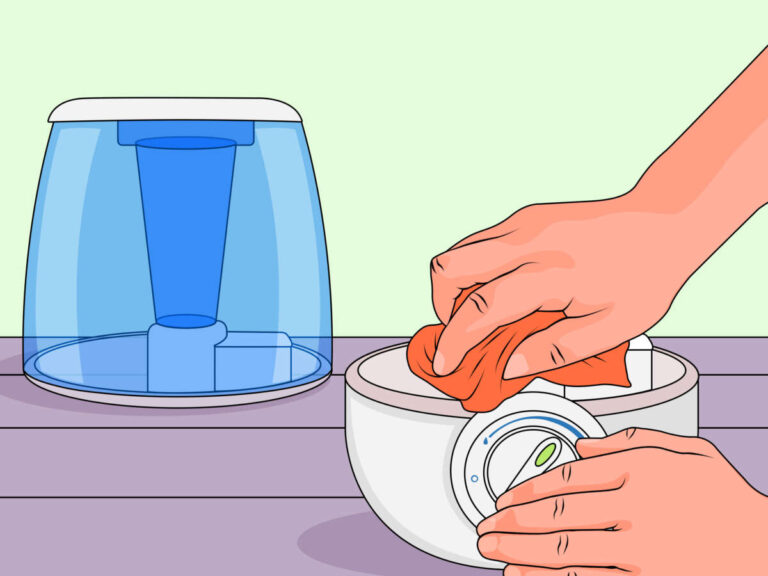
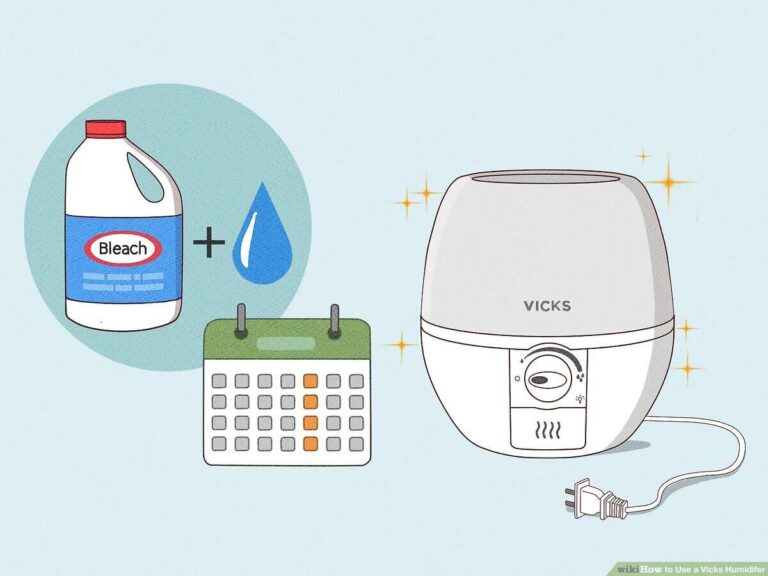
- Daily: Turn it off. Empty the water. Rinse the tank. Let it dry. Never leave water sitting in it all day. Stagnant water is a germ factory.
- Weekly: This is the deep clean.
- Fill the tank with water and white vinegar.
- Let it sit for 30 minutes. The vinegar eats the minerals. It kills the germs.
- Scrub the sides with a soft brush. An old toothbrush works great.
- Rinse it well. Rinse it again. You do not want your room to smell like a pickle.
- Let it air dry completely.
The Water Choice: Distilled vs. Tap
Can you use tap water? Yes, you can. But I do not recommend it.
Tap water has minerals. Calcium. Magnesium. When the water turns to mist, the minerals go too. They fall on your furniture as white dust.
This dust is annoying to clean. But it is also bad to breathe. It can irritate your lungs.
I only use distilled water. It costs a little more. But it has no minerals. No dust. No lung irritation. The machine stays cleaner longer. It is worth it.
Health and Safety: Who Should Be Careful?
Humidifiers are great tools. But they are not for everyone. Some people need to be extra careful.
Asthma and Allergy Sufferers
This is tricky. Moist air soothes the throat. That is good. But dust mites love moist air. Mold loves moist air. Both of these trigger asthma.
- The Rule: Keep humidity under 50%. Never go higher. Use a hygrometer. Clean the machine religiously. If you sneeze more, stop using it.
Mold Sensitivity
If you are allergic to mold, be alert. A dirty humidifier spreads mold spores. You breathe them in. You get sick.
- The Fix: Use a warm mist humidifier. The boiling water kills mold. Or clean your cool mist machine every single day.
Babies and Children
Babies have tiny airways. Dry air clogs their noses easily. A humidifier helps them sleep.
- The Warning: Use cool mist only. A warm mist machine is a burn risk. A toddler can pull it down. Hot water spills. It is a tragedy waiting to happen. Stick to cool mist for the nursery.
Pets
Cats and dogs get dry skin too. My dog scratches less in winter when the humidifier is on. It helps them. Just make sure they cannot knock it over.
Humidifiers vs. Dehumidifiers: Knowing the Difference
Sometimes people get confused. The names sound similar. But they do opposite jobs.
- Humidifier: Adds water to the air. Use when air is dry (Winter, Deserts).
- Dehumidifier: Removes water from the air. Use when air is wet (Summer, Basements).
When to Switch?
Imagine it is July. It is hot and sticky. Your windows are foggy. Your bread goes moldy fast. The air feels heavy.
Do not use a humidifier! You need a dehumidifier. It sucks the water out. It makes the air crisp.
Can You Use Both?
Yes, but usually not at the same time.
I live in a place with four seasons.
- November to March: I use a humidifier. The heater is on. The air is dry.
- June to August: I use a dehumidifier in my basement. It gets damp down there.
I store one while I use the other. It is a seasonal dance.
Cost and Energy Efficiency
You might worry about the bill. Does running a machine all night cost a lot?
Usually, no.
- Cool Mist / Ultrasonic: These use very little power. Maybe the same as a lightbulb. They are very cheap to run.
- Warm Mist: These use more power. They have to boil water. It is like running a small kettle. It costs a bit more.
The Hidden Savings
Here is a secret. Moist air holds heat better.
Dry air feels cold on your skin. It evaporates sweat instantly. That cools you down.
When the air is moist, you feel warmer. You might set your thermostat to 72°F in dry air. But in moist air, 68°F feels just as good.
Turning down the furnace saves a lot of money. It saves more than the humidifier costs to run. So, in winter, a humidifier can actually save you money.
Frequently Asked Questions (FAQ)
Can I use tap water in my humidifier?
You can, but it is not the best choice. Tap water has minerals that create white dust. This dust settles on furniture and can irritate lungs. Distilled water is much better for your health and the machine.
Is it okay to run a humidifier all night?
Yes, it is safe to run it while you sleep. Just make sure the tank has enough water. Also, check that the room does not get too damp. If windows are wet in the morning, turn it down.
Does a humidifier help with snoring?
It can help many people. Dry air makes the throat swell. It makes mucus thick. This blocks airways and causes snoring. keeping the throat moist can reduce the noise and help everyone sleep better.
Can humidity damage my electronics?
Yes, if the humidity is too high. Water in the air can corrode metal parts inside computers or TVs. Keep humidity below 50%. Never place the humidifier nozzle pointing directly at your TV or laptop.
How do I know if the humidity is too high?
Look for fog on your windows. Check for damp spots on walls or ceilings. Use a hygrometer to get an exact number. If it reads over 50%, turn the machine off immediately to prevent mold.
Conclusion
We started with a question: Do you use humidifier in winter or summer?
Now you know. The answer is about dry air, not just the calendar.
- Winter: Yes! Use it to fight the dry heat from your furnace. It helps you sleep, stops the flu, and protects your skin.
- Summer: Maybe. Use it if you live in a desert or if your AC dries you out. But watch out for mold.
Don’t guess. Your health is too important.
My final advice is simple:
- Buy a hygrometer today. It is small and cheap.
- Check your room.
- If it is below 30%, add water. If it is above 50%, dry it out.
Take control of your air. Your throat, your skin, and your wooden furniture will thank you. Breathe easier, sleep deeper, and feel better all year round.