Are Humidifiers Covered by Fsa: Essential Guide to Savings
Do you wake up with a scratchy throat? Does your skin feel like sandpaper in the winter? You are not alone. I have been there too.
A few years ago, my son had a terrible cough. The air in our house was so dry. The doctor told us to get a humidifier. I went to the store. I saw the price tag. It was not cheap. I looked at the FSA card in my wallet. I wondered, “Can I use this?”
Maybe you are asking the same thing. You want to fix the dry air. But you also want to save money. You have an FSA. You want to use it.
So, are humidifiers covered by FSA? The answer is yes, but there are rules. It is not as simple as buying band-aids. You need to know the steps.
In this guide, I will walk you through it. I will share what I learned. I will help you save money. Let’s make sure you get your money back.
Understanding FSA Basics
First, let’s talk about the account itself. What is an FSA?
It stands for Flexible Spending Account. It is a great tool. You put money into it from your paycheck. This money goes in before taxes. That means you save money on taxes. It is like getting a discount on health items.
But there is a catch.
Most FSAs have a rule. It is called “use-it-or-lose-it.” You must spend the money by the end of the year. If you do not, the money is gone. Poof.
So, you need to spend it wisely. You can buy glasses. You can pay for doctor visits. And yes, you can buy medical devices. This brings us back to humidifiers.
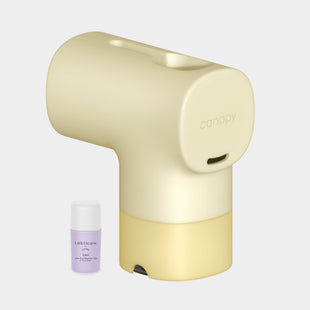
Credit: getcanopy.co
The Big Question: Are Humidifiers Eligible?
This is the main question. Are humidifiers covered by FSA plans?
Yes. However, they are not “automatically” covered.
The IRS has a list. Some things are always medical. Like insulin or crutches. You can just buy them.
Other things are “dual-purpose.” A humidifier is dual-purpose.
Why?
Because healthy people use them too. You might use one just to feel cozy. The IRS does not pay for cozy. They pay for medical treatments.
So, you must prove a medical need. You have to show that you are not just buying it for comfort. You are buying it to treat a health issue.
If you can prove that, you can use your FSA.
The Golden Ticket: Letter of Medical Necessity (LMN)
How do you prove it? You need a special paper. It is called a Letter of Medical Necessity (LMN).
This is crucial. Without this, your claim will likely fail.
I learned this the hard way. I tried to buy one without a note. My card worked at the store. But later, they asked for proof. I had to scramble to get it.
What is a Letter of Medical Necessity?
It is like a prescription. But it is more detailed. Your doctor writes it.
A Letter of Medical Necessity for humidifier purchases must include three things:
- The Diagnosis: What is wrong? (Example: Asthma).
- The Treatment: What do you need? (A humidifier).
- The Duration: How long do you need it? (Example: 12 months).
How to Get It
Make an appointment with your doctor. Or, send them a message. Tell them about your symptoms. Ask if a humidifier will help.
If they say yes, ask for the letter. Most doctors know what this is. They do it all the time.
Once you have this letter, keep it safe. You will need it.
Medical Conditions That Qualify
You might wonder if your condition counts. What does the IRS accept?
Here are common issues that qualify as FSA eligible medical conditions:
- Asthma: Dry air can trigger attacks.
- Allergies: Moist air settles dust and pollen.
- Sleep Apnea: CPAP machines work better with moist air.
- Chronic Bronchitis: It helps loosen mucus.
- Eczema or Psoriasis: It keeps skin from cracking.
- Nosebleeds: Dry noses bleed easily.
If you have one of these, you have a strong case.
I used my FSA for my son’s asthma. The doctor wrote the note fast. It was easy once I asked.
FSA vs. HSA: Is There a Difference?
Maybe you do not have an FSA. Maybe you have an HSA.
What is the difference?
HSA stands for Health Savings Account. It is for people with high-deductible insurance plans.
The rules for HSA vs FSA for humidifiers are very similar. Both follow IRS rules. Both consider humidifiers “dual-purpose.”
So, you still need the Letter of Medical Necessity for an HSA.
The big difference is time. FSA funds expire. HSA funds do not. You can keep HSA money forever. But for buying a humidifier, the paperwork is the same.
Types of Humidifiers and FSA Eligibility
Now, let’s go shopping. There are many types of machines. Are all FSA eligible humidifiers?
Generally, yes. The IRS looks at the purpose, not the style. But knowing the types helps you pick the best one for your health.
Cool Mist Humidifiers
These are very popular. They spray cool water into the air.
- Pros: Safe for kids. No hot water.
- Cons: Fans can be noisy.
- Best for: Asthma and allergies.
Warm Mist Humidifiers
These boil the water. Then they release steam.
- Pros: The boiling kills germs. It feels warm in winter.
- Cons: They use more power. They can burn if tipped over.
- Best for: Colds and flu relief.
Ultrasonic Humidifiers
These use vibrations. They are very quiet.
- Pros: Silent. Low energy use.
- Cons: Can leave white dust if you don’t use distilled water.
- Best for: Light sleepers and babies.
Pick the one your doctor suggests. The style usually does not stop reimbursement. The medical need is what matters.
Where to Buy and How to Pay
You have your letter. You picked a type. Now, where do you buy it?
You have two main choices.
1. The FSA Store
There are online shops like the FSA store humidifier section. These sites are great. They verify items for you.
Often, they can process your card easily. They know exactly what is covered. It saves a lot of guessing.
2. General Retailers
You can buy from Amazon, Target, or Walmart.
However, be careful at the register.
Sometimes, your FSA card will work immediately. This is called IIAS (Inventory Information Approval System). The store computer knows the item is medical.
But sometimes, the card gets declined. This happens because the machine sees it as a “home good,” not “medicine.”
If the card declines, do not panic. Use your regular credit card. Then, submit a claim later.
Step-by-Step Guide to Reimbursement
Submitting a claim sounds scary. It is actually easy. Just follow these steps.
Knowing the FSA reimbursement rules helps you get paid back fast.
Step 1: Get the Letter First
Do not buy the machine yet. Get the Letter of Medical Necessity signed and dated. The date on the letter should be before or on the day you buy the machine.
Step 2: Buy the Humidifier
Go to the store. Buy the item.
Pro Tip: Buy the humidifier alone. Do not mix it with groceries. It makes the receipt cleaner.
Step 3: Keep the Receipt
This is vital. You need the full receipt. It must show:
- The store name.
- The date.
- The item name.
- The price.
A credit card slip is not enough. You need the itemized receipt.
Step 4: Fill Out the Claim Form
Log in to your FSA website. Look for “File a Claim.”
Upload a photo of your receipt. Upload a photo of your doctor’s letter.
Step 5: Submit and Wait
Hit send. Usually, money comes back in a week or two. They might send a check. Or they might deposit it into your bank.
My Personal Tips for Success
I have done this a few times. Here is what works for me.
Create a “Health” Folder on Your Phone.
Whenever I get a receipt, I take a photo. I save it in that folder immediately. Paper receipts fade. Digital photos do not.
Check Your Balance in October.
Do not wait until December 31st. Everyone rushes then. Check your balance in the fall. If you have extra money, get your prescriptions and devices then.
Read the Description.
When buying online, look for the words “FSA Eligible.” It usually says it near the price. It gives you peace of mind.
Common Mistakes to Avoid
I want you to succeed. So, watch out for these traps.
Trap 1: The Date Mismatch.
Your doctor’s note must cover the date of purchase. If you buy it in January but get the note in March, they might say no. Get the note first.
Trap 2: The “Diffuser” Confusion.
A humidifier is for moisture. A diffuser is for smell. Essential oil diffusers are rarely covered. Make sure the box says “Humidifier.”
Trap 3: Throwing Away the Box.
Sometimes the receipt just says “Home Dept.” The FSA agent might not know what that is. If you keep the box (or a photo of the box), you can prove it is a humidifier.
Maintenance Costs: Are Filters Covered?
Here is some good news.
If the humidifier is covered, the parts are too.
Does your machine need filters? Does it need a cleaning cartridge?
Yes, these are eligible. You still need the Letter of Medical Necessity. But the letter usually covers the “treatment.” The filters are part of the treatment.
So, save those receipts too. It adds up.
Frequently Asked Questions (FAQ)
You might still have questions. Here are answers to common things people ask.
Do I need a prescription for a humidifier?
Yes, usually. It is not always a “prescription” for a pharmacy. It is a Letter of Medical Necessity. But you need a doctor to sign it to prove it is for a medical condition.
Can I buy a humidifier for my baby with FSA?
Yes, you can. Babies often get colds or have dry skin. Your pediatrician can write the Letter of Medical Necessity. The process is the same as for an adult.
Does the brand of the humidifier matter?
No, the brand does not matter. The IRS cares about what the machine does, not who made it. You can buy Vicks, Honeywell, Crane, or any other major brand.
What if my claim is denied?
Do not give up. Read the denial letter. usually, it is a missing paper. Maybe they need the doctor’s note again. Or the receipt was blurry. Fix the error and send it again.
Can I use FSA for essential oils?
No, usually not. Essential oils are considered “cosmetic” or for “general well-being.” They are rarely covered by FSA. Stick to the machine and the filters.
Conclusion
Let’s recap. Are humidifiers covered by FSA?
Yes. But you must be smart about it.
It is not free money for a home gadget. It is a tax benefit for a medical tool.
Remember the three big steps:
- Talk to your doctor and get a Letter of Medical Necessity.
- Buy the humidifier and save the detailed receipt.
- Submit both documents to your FSA plan.
It takes a little extra work. But the savings are worth it. You are using pre-tax dollars. That can save you 20% or 30% on the cost.
Plus, you get the health benefits. You sleep better. Your skin feels better. Your child coughs less. That is the real win.
So, go check your FSA balance. Look at the calendar. If you have funds to use, maybe it is time to get that humidifier.
Breathe easier. Save money. You can do this.