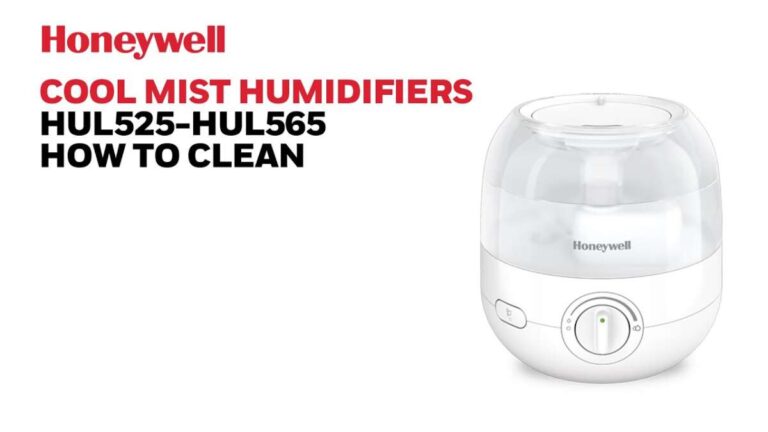

What Should Humidifier Be Set at: Ideal Levels for Comfort
Hi there! I am so glad you are here. We are going to talk about air. Not just any air, but the air inside your home.
A few years ago, I woke up every day with a dry throat. My skin felt tight. My nose was always sore. I felt like a dried-out leaf! I tried many creams. I drank more water. Nothing worked. Then, a friend told me about humidifiers. I bought a small one. It changed my life.
But I had one big problem. I did not know how to use it. I turned it all the way up. Soon, my windows were wet. My walls felt damp. I saw a small patch of mold. I realized that more is not always better.
You need the right balance. You want to feel cozy, not soggy. That is why I wrote this guide. I want to help you find the perfect setting. We will look at health, comfort, and safety. Let’s dive in!
The Magic Number: Finding Your Sweet Spot
What should humidifier be set at? This is the most common question I get. Most experts say you should stay between 30% and 50%.
Why this range? Well, it is the “Goldilocks” zone. At 30%, the air is not too dry. At 50%, it is not too wet. If you go below 30%, you get static shocks. Your skin might itch. If you go above 50%, mold starts to grow. Dust mites love wet air too. We do not want those guests in our home!
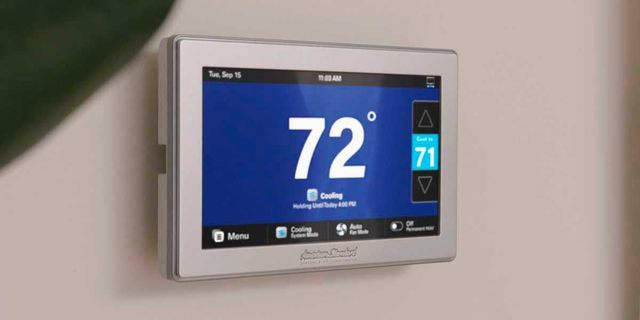
Why You Need a Hygrometer
I used to guess the humidity. That was a mistake. Now, I use a hygrometer. This is a tiny tool. It tells you the exact humidity level. It costs very little money. I keep one in my bedroom and one in the hall.
When my hygrometer says 35%, I feel great. When it hits 55%, I turn the machine off. You can find these at any hardware store. It is the best way to be sure. Do not trust your nose alone. Trust the data!
Credit: www.gorjanc.com
The Dark Side: When Humid is Too High
I once made a big mistake. I thought more water meant more health. I ran my machine on “high” for a full week. I did not look at my meter. One day, I moved my bed. I found a green spot on the wall. It was mold!
Mold is a big deal. It can make you very sick. It can cause a cough. It can make your eyes red. It also smells bad. Mold loves any spot that stays wet. If your air is above 60%, you are asking for trouble.
Watching for Signs
You must be a detective in your own home. Look at your walls. Do they feel damp? Look at your windows. Is there fog? Check your closets. Does it smell like a wet basement?
If you see these signs, turn the machine off. Open a window. Let the fresh air in. Use a fan to dry the walls. Never let water sit on a surface for more than a day. This is how I keep my home safe now.
Protecting Your Wood
Too much water hurts wood too. If the air is too wet, wood swells. Your doors might not close right. Your wood floors might buckle. I have a nice old desk. When I over-humidified, the drawers got stuck. I learned my lesson. Keep it at 45% to keep your wood happy.
Types of Humidifiers: Which One Is Best for You?
When you shop, you will see many types. It can be hard to choose. Let’s look at the main ones. I have tried them all!
Cool Mist Humidifier Benefits
A cool mist humidifier is very common. It sends a cool spray into the room.
- Pros: It uses very little power. It is safe for kids and pets. There is no hot water to spill.
- Cons: It can feel a bit chilly in the winter.
I love these for my bedroom. The air feels fresh. It is like being near a waterfall.
Warm Mist Humidifier for Cold
A warm mist humidifier for cold weather is a classic choice. It boils the water first. Then it releases steam.
- Pros: The boiling kills germs in the tank. It makes the room feel warm. It is great when you have a stuffy nose.
- Cons: It uses more power. You must be careful with the hot water.
I use this type in the living room when it is snowing. It feels like a warm hug for my lungs.
Ultrasonic vs Evaporative Humidifier
This is the big debate: ultrasonic vs evaporative humidifier.
Ultrasonic units use a tiny metal plate. It vibrates very fast. This turns water into a fine mist.
- Pros: They are silent! You won’t even know it is on.
- Cons: They can leave a “white dust” on your furniture if you use tap water. That dust is just minerals.
Evaporative units use a fan and a filter. The fan blows air through a wet wick.
- Pros: They cannot over-humidify easily. They don’t leave white dust.
- Cons: The fan can be loud. You have to buy new filters every few months.
I prefer ultrasonic for sleeping. I prefer evaporative for my office because I don’t want dust on my computer.
Maintenance 101: My Weekly Routine
A dirty humidifier is worse than no humidifier. If the tank is slimy, you are breathing in germs. I have a strict rule for myself. I call it “Clean Sunday.”
How to Clean Humidifier Tanks
If you want to know how to clean humidifier parts, follow these steps. It is easy!
- Empty the tank: Do this every day. Fresh water is best.
- The Vinegar Soak: Fill the base with white vinegar. Let it sit for 20 minutes. This breaks down the crusty minerals.
- The Scrub: Use a small brush. Scrub the corners.
- The Rinse: Rinse it three times. You don’t want your room to smell like a salad!
- The Sanitize: Once a week, use a tiny bit of bleach and water. Rinse it very, very well.
I once skipped cleaning for a month. The water turned pink! I felt so bad. Now, I never skip. A clean machine makes clean air.
The Best Water to Use
Use distilled water if you can. It has no minerals. Your machine will stay clean longer. If you use tap water, you will have to clean it more often. In my house, I use a water filter first. It helps a lot.
Advanced Tips: Getting Technical (The Easy Way)
Let’s talk about “Relative Humidity.” You see this on your meter. It means how much water the air can hold at that heat.
Warm air can hold a lot of water. Cold air cannot hold much. This is why 50% in a warm room feels different than 50% in a cold room.
The Dew Point
Have you heard of the dew point? It is the temp where water turns into liquid. If your walls are cold, and your air is wet, you get “dew” on your walls.
I keep my house at 70 degrees. At this heat, 40% humidity is perfect. If I turn the heat down to 60, I have to lower the humidity too. This keeps the walls dry.
The Best Humidifier for Baby: A Special Note
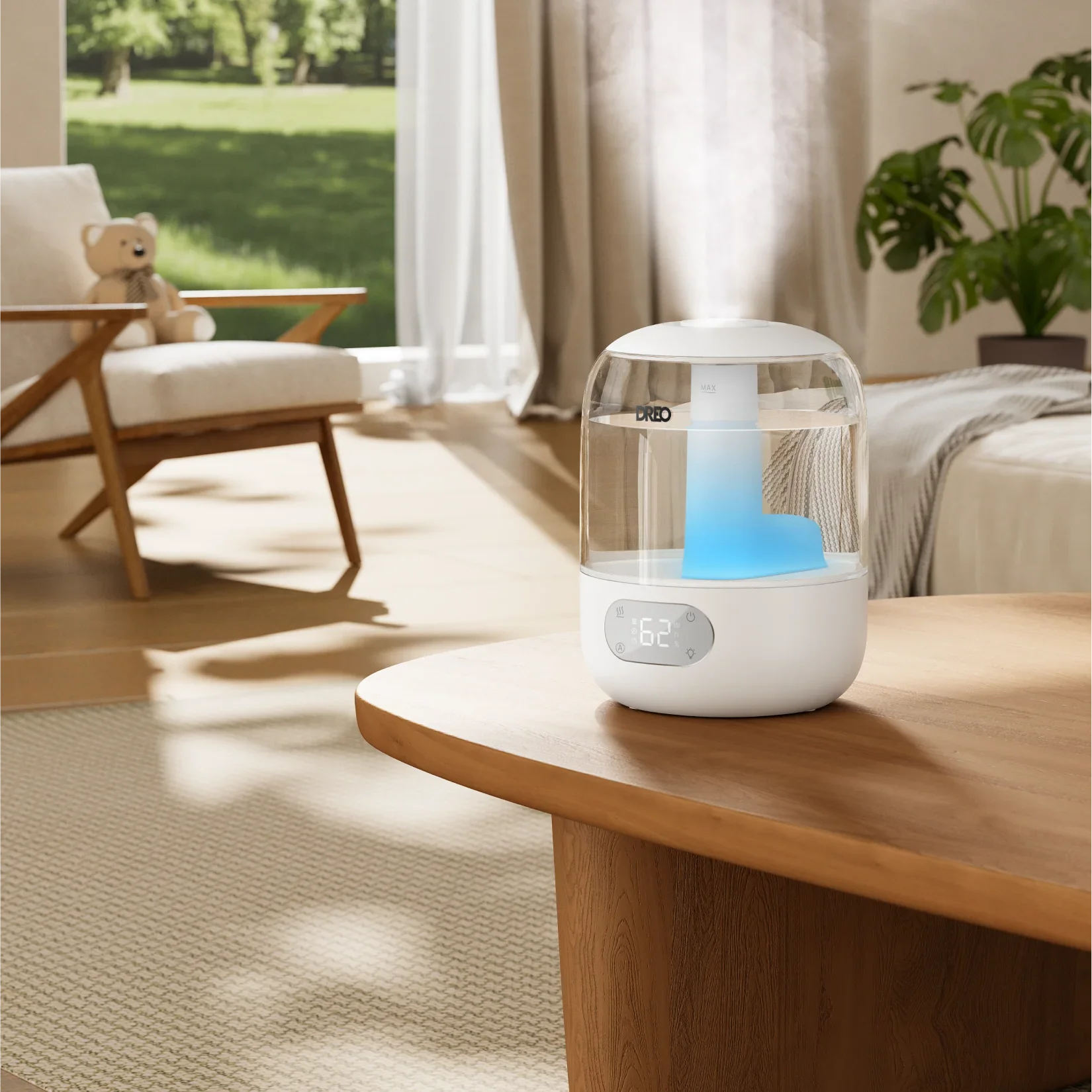
I get many notes from new parents. They want the best humidifier for baby. A baby’s skin is very thin. It dries out fast. But babies also have small lungs. You must be very careful.
- Use Cool Mist: I say this again because it is vital. No hot steam near babies.
- Clean Every Day: A baby’s nose is sensitive. Mold in the air can cause a bad cough.
- Keep it at 50%: This is the best level for a nursery. It keeps their skin soft.
I always tell my friends to buy a machine with an “auto-off” timer. You don’t want to forget it and turn the room into a swamp while the baby sleeps!
Credit: www.dreo.com
Moving Your Humidifier: Location Matters
I used to put my humidifier in the corner of my room. I thought it was out of the way. But that was a mistake! The wall behind it got very wet. The air in the rest of the room stayed dry.
Now, I follow a few rules for where to put my machine.
- Off the floor: Put it on a table or a nightstand. This helps the mist mix with the air before it hits the rug.
- Away from walls: Give it at least six inches of space. This stops mold from growing on your paint.
- The center is best: If you can, put it in the middle of the room. This spreads the moisture evenly.
I put mine on a small tray. This catches any tiny drips. It protects my wood table. It is a simple step that saves a lot of trouble!
Protecting Your Home Entities
We talk a lot about skin and noses. But did you know your home has “health” too? Your house is made of materials that react to the air.
Musical Instruments
I have an old wooden guitar. One winter, the wood started to shrink. The strings felt wrong. I learned that guitars need 45% humidity. If you have a piano or a violin, you must watch your settings. Too dry air can make the wood crack. Once wood cracks, it is very hard to fix.
Houseplants
My plants are part of my family. Most plants come from the jungle. Jungles are very wet! If your house is at 20% humidity, your plants will turn brown. I keep my plants in a group. I put the humidifier near them. They look green and happy all year long.
Electronics
Static electricity is the enemy of your TV and computer. Have you ever felt a “zap” when you touch your phone? That means the air is too dry. Keeping your air at 40% stops those sparks. It keeps your expensive gadgets safe.
Energy Savings and Comfort
You might think running a humidifier costs a lot of money. But it can actually save you money!
Wet air holds heat better than dry air. When the air is moist, you feel warmer at 68 degrees. If the air is dry, you might feel cold even at 72 degrees.
By using my humidifier, I can turn my heater down. This saves me money on my power bill. It is a win-win. I feel cozy, and I spend less. Just make sure you aren’t overdoing it. A small machine in a small room is all you need.

Credit: www.reddit.com
Frequently Asked Questions (FAQ)
What Is The Ideal Humidifier Setting For Home Use? The best setting for most homes is between 30% and 50% humidity. This range is safe for your health and your house. It stops dry skin but prevents mold from growing on your walls.
How Do I Know If My Humidifier Setting Is Correct? You should buy a small tool called a hygrometer to measure the air. If the meter shows a number between 30% and 50%, you are doing great. You can also check your windows for fog or your skin for dryness.
Can Setting A Humidifier Too High Cause Problems? Yes, if you set it above 60%, you may see mold or mildew in your home. This can make you cough or feel sick. High moisture also attracts dust mites which can hurt people with allergies.
Should Humidifier Settings Change With Seasons? You should definitely change your settings when the weather changes outside. In the winter, keep it a bit lower to stop window condensation. In the summer, you may not need the machine at all because the air is naturally wet.
Is Tap Water Safe for My Humidifier? Tap water is okay, but it often has minerals that create a white dust on your furniture. It can also make the machine get dirty faster. Using distilled water is much better for your lungs and your machine’s life.
How Often Should I Clean My Unit? You should rinse the tank and put in fresh water every single day. Once a week, you must do a deep clean with vinegar to kill any germs. This ensures the air you breathe is always fresh and safe.
Final Thoughts: My Daily Air Routine
I want to end by sharing my daily routine. It takes me less than five minutes.
- Morning: I check my windows. If they are dry, I leave the machine on. If they are wet, I turn it off.
- Evening: I fill the tank with fresh water. I check my hygrometer.
- Weekly: I scrub the base with vinegar every Sunday.
Finding the right setting for your humidifier is a journey. Start at 40%. See how you feel. Look at your skin. Check your nose. If you feel good, stay there!
Your home should be a place where you can breathe easy. With these simple tips, you can make that happen. Thank you for reading my guide. I hope you feel more confident now.