What to Put in Humidifier for Cold: Effective Remedies
If you’re reading this, chances are you’re dealing with a cold right now.
First of all, I feel you.
I still remember one winter night when my nose felt like sandpaper. My throat burned. I could not sleep. I finally turned on my humidifier out of pure frustration. Within an hour, breathing felt easier. That night changed how I treat colds at home.
That’s why today I want to talk directly to you.
We’re going to answer one simple but very important question:
What to put in a humidifier for cold relief — safely and effectively?
I’ll keep this easy.
I’ll keep it honest.
And I’ll share what truly works, not internet myths.
What Is a Humidifier and Why It Helps When You Have a Cold
Let’s keep this simple.
A humidifier adds moisture to dry air.
That moisture helps your body heal.
When you have a cold, dry air can:
- Dry out your nose
- Make your throat sore
- Worsen coughing
- Make sleep harder
A humidifier helps by:
- Moisturizing nasal passages
- Loosening mucus
- Reducing throat irritation
- Helping you breathe easier
I often tell friends this:
👉 Cold medicine helps inside your body.
Humidity helps outside your body.
Both matter.

Credit: www.youtube.com
How Humidity Affects Cold Symptoms (Backed by Experts)
Dry air is not your friend when you’re sick.
Medical experts agree that proper humidity:
- Keeps nasal tissues moist
- Helps mucus move instead of hardening
- Reduces irritation that causes coughing
Health organizations like Centers for Disease Control and Prevention and Mayo Clinic consistently recommend humidified air for respiratory comfort.
From experience, I can tell you this:
When the air feels dry, my cold always feels worse.
When the air feels balanced, my symptoms ease faster.
Best Humidity Level for Cold Relief
This part matters more than most people think.
The ideal indoor humidity level is:
👉 30% to 50%
Anything below that:
- Dries your nose
- Makes breathing harder
Anything above that:
- Encourages mold
- Can worsen allergies
I learned this the hard way.
Once, I ran my humidifier all day and night. The room felt damp. My congestion actually felt worse. After checking humidity with a cheap meter, I realized the level was over 60%.
Since then, I always aim for balance.
Types of Humidifiers: Which One Is Best for a Cold?
Let’s break this down simply.
Cool Mist Humidifier for Cold Relief
This is my top pick for most people.
Why?
- Safe for kids
- Helps congestion
- Easy to maintain
Warm Mist Humidifier for Congestion
This releases warm steam.
Pros:
- Feels soothing
- May help thick mucus
Cons:
- Burns risk
- Uses more energy
Ultrasonic Humidifier
These are quiet and popular.
Just remember:
- Many do NOT support essential oils
- Always check the manual
Evaporative Humidifier
Simple and reliable.
Best for:
- Whole rooms
- Long use
👉 Beginner tip:
If you’re unsure, go with a cool mist humidifier for cold symptoms.
What to Put in Humidifier for Cold (Safe & Effective Options)
Now let’s get to the heart of it.
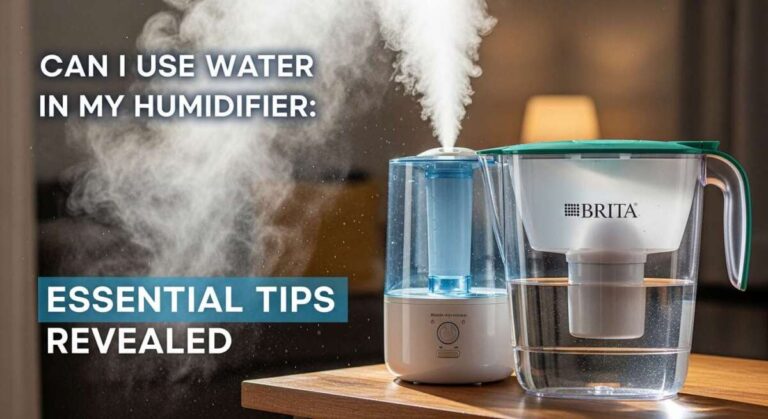
1. Distilled Water (Best Choice)
If you remember only one thing from this article, remember this:
👉 Distilled water is the best thing to put in a humidifier for a cold.
Why?
- No minerals
- No white dust
- Cleaner mist
- Safer for lungs
Experts and manufacturers agree on this.
Personally, when I switched from tap water to distilled water, my humidifier stayed cleaner, and the air felt lighter.
2. Filtered Water (Second-Best Option)
If distilled water is not available, filtered water is okay.
Just avoid:
- Hard tap water
- Unfiltered well water
Minerals can:
- Build up inside the humidifier
- Get released into the air
Credit: www.greenwashingindex.com
Can You Put Essential Oils in a Humidifier for a Cold?
This is one of the most common questions I hear.
And honestly, it’s also where most people make mistakes.
So let me say this clearly, as if we were talking face to face:
👉 You should only put essential oils in a humidifier if the manufacturer says it’s safe.
Not all humidifiers are built the same.
Some are designed for oils.
Many are not.
I learned this lesson the hard way.
A few years ago, I added eucalyptus oil directly to an ultrasonic humidifier without checking the manual. Within a week, the unit smelled off and stopped working well. Worse, my throat felt irritated instead of soothed.
Since then, I always follow one rule:
If the manual doesn’t clearly allow oils, I don’t add them.
Which Humidifiers Can Handle Essential Oils?
Most standard humidifiers do not support oils.
Here’s a simple breakdown:
- Oil-compatible humidifiers
- Have a separate aroma tray
- Are labeled “essential oil safe”
- Most ultrasonic humidifiers
- ❌ Not oil-safe
- Oils can damage internal parts
- Evaporative humidifiers
- ❌ Oils clog filters
👉 Best practice:
If your humidifier does not have a special oil tray, skip oils entirely.
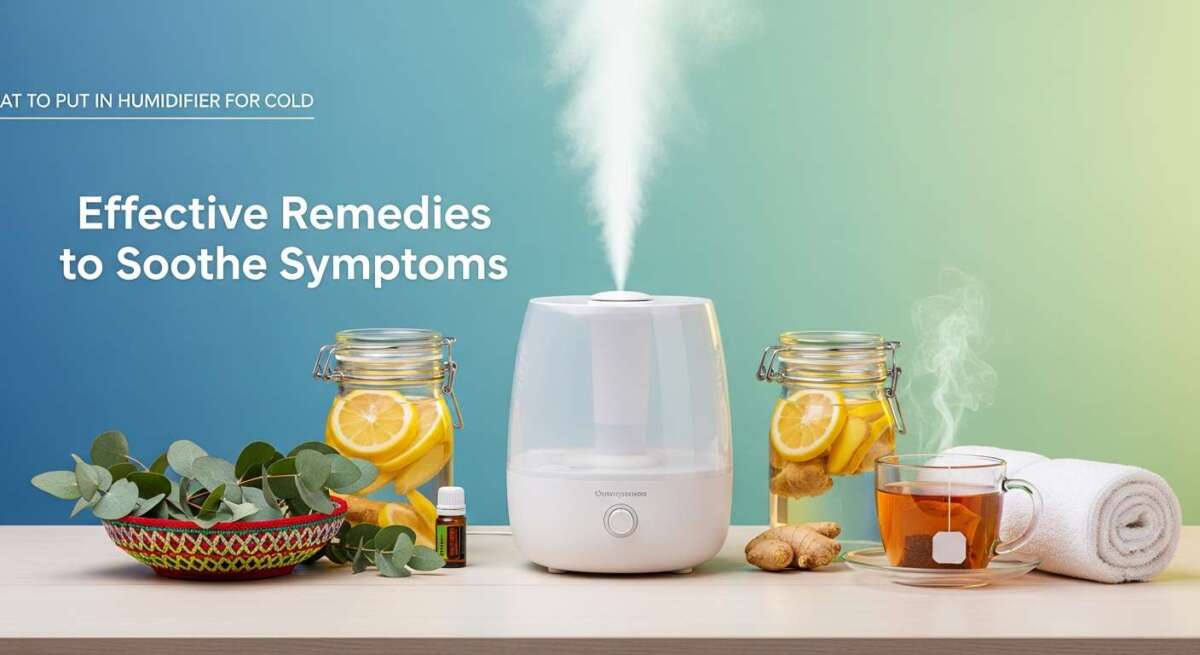
Best Essential Oils for Cold Relief (If Your Humidifier Supports Them)
If — and only if — your humidifier allows essential oils, these are the most commonly recommended options.
Eucalyptus Oil for Congestion
This is the most popular choice.
Why it helps:
- Opens nasal passages
- Makes breathing feel easier
My experience:
I only use one or two drops, never more. Even small amounts feel strong.
Peppermint Oil for Sinus Pressure
Peppermint contains menthol, which gives a cooling feeling.
Benefits:
- Helps sinus pressure
- Can ease headaches
Important note:
Peppermint oil is strong. Too much can irritate airways.
Lavender Oil for Better Sleep
Lavender does not fight congestion directly.
However:
- It helps relaxation
- It supports better sleep
When I have a cold, sleep matters more than anything. Lavender helps me calm down at night.
Tea Tree Oil (Use With Caution)
Tea tree oil has antibacterial properties.
But:
- It can irritate lungs
- It’s not safe for pets
I only recommend this if an expert or doctor suggests it.
How Much Essential Oil Is Safe?
Less is more. Always.
Safe guideline:
- 1–3 drops per full water tank
- Never pour oil directly into water unless designed for it
Strong smells do not mean better results.
In fact, too much oil can:
- Cause coughing
- Trigger headaches
- Irritate lungs
What NOT to Put in a Humidifier (Very Important)
This section protects your health.
Please read it carefully.
❌ Salt or Saline Water
This is a common internet myth.
Why it’s bad:
- Salt damages humidifiers
- Salt particles can enter lungs
Humidifiers are not nebulizers.
❌ Vinegar or Bleach
These are for cleaning only — never for use while running.
Breathing vinegar mist can:
- Burn airways
- Cause coughing
Bleach is even worse.
❌ Hydrogen Peroxide
Some people suggest this online.
Please don’t.
It can:
- Irritate lungs
- Damage internal parts
❌ Perfume or Fragrance Oils
These are not made for breathing.
They contain:
- Synthetic chemicals
- Harsh additives
❌ Alcohol or Cleaning Liquids
These evaporate into the air.
Breathing them is unsafe.
DIY Humidifier Remedies: Truth vs Myths
Let’s talk honestly.
I see many DIY ideas online:
- Baking soda mixes
- Salt water hacks
- Herbal teas in tanks
As someone who has tested many home remedies, here’s my expert take:
👉 Most DIY humidifier remedies do more harm than good.
Why?
- They clog machines
- They release unsafe particles
- They offer no real benefit
Humidity alone does the work.
You don’t need extras.
What Actually Helps More Than Additives
This may surprise you.
From both experience and research, these matter more:
- Clean humidifier
- Correct humidity level
- Distilled water
- Proper placement
That’s it.
Simple works.
How to Use a Humidifier Safely During a Cold
Let me walk you through this like a friend would.
Where to Place Your Humidifier
- At least 3 feet from your bed
- On a raised surface
- Away from walls
This prevents moisture buildup and mold.
How Long Should You Run It?
I recommend:
- During sleep
- A few hours during the day
Not 24/7.
Too much moisture can worsen symptoms.
Should You Sleep With a Humidifier On?
Yes — if humidity stays balanced.
For me, night use helps the most.
I wake up with:
- Less throat pain
- Less dry nose
Common Humidifier Mistakes I See All the Time
Let’s avoid these together.
Running It Without Cleaning
Dirty humidifiers spread:
- Mold
- Bacteria
This defeats the purpose.
Over-Humidifying the Room
More is not better.
High humidity:
- Traps allergens
- Feels heavy
Adding Unsafe Ingredients
If it’s not approved, skip it.
Your lungs deserve clean air.

Credit: www.amazon.com
How Often Should You Clean a Humidifier When You Have a Cold?
This part is critical.
When you’re sick, your immune system is already working hard. The last thing you want is a dirty humidifier pushing germs into the air.
From both research and personal experience, here’s the truth:
👉 You should clean your humidifier more often when you have a cold.
My Simple Cleaning Rule
- Empty the tank every day
- Rinse with warm water daily
- Deep clean every 2–3 days
When I skip cleaning, I notice it fast. My throat feels irritated, and the room smells off. Once I clean it, the air feels fresh again.
Step-by-Step: How I Clean My Humidifier Safely
I’ll walk you through this exactly how I do it.
Step 1: Unplug and Empty
Always unplug first. Then pour out leftover water.
Step 2: Rinse With Warm Water
This removes loose buildup.
Step 3: Use Vinegar (Cleaning Only)
Mix:
- 1 cup white vinegar
- 1 cup warm water
Swish gently. Let it sit for 20 minutes.
Step 4: Rinse Thoroughly
No vinegar smell should remain.
Step 5: Air Dry
Let all parts dry fully before reassembly.
👉 Important reminder:
Vinegar is for cleaning only. Never run it through the humidifier.
How to Prevent Mold and Bacteria Growth
Prevention is easier than fixing problems later.
Here’s what experts and manufacturers recommend:
- Use distilled water
- Empty the tank daily
- Dry parts fully
- Never store with water inside
Health authorities like Environmental Protection Agency warn that standing water encourages microbial growth.
Clean habits protect your lungs.
Best Humidifier Water for Cold Relief (Expert Summary)
Let’s recap this clearly.
The best humidifier water for cold symptoms is:
- Distilled water (best)
- Filtered water (second-best)
Avoid:
- Tap water
- Mineral water
- Flavored or scented water
Clean water equals clean air.
How a Humidifier Helps You Heal Faster
Humidity does not cure a cold.
However, it helps your body do its job.
Benefits include:
- Easier breathing
- Less coughing
- Better sleep
- Reduced throat pain
Sleep alone makes a huge difference. When I sleep better, my colds feel shorter and less intense.
Frequently Asked Questions
What is the best thing to put in a humidifier for a cold?
The best thing to put in a humidifier for a cold is plain distilled water. It creates clean moisture, protects your lungs, and prevents mineral buildup inside the machine.
Can you put essential oils in a humidifier for cold relief?
You should only add essential oils if your humidifier is designed for them. Otherwise, oils can damage the unit and irritate your airways when breathed in.
Is a cool mist humidifier better for a cold?
Yes, a cool mist humidifier is often the best option for cold relief. It is safe, effective, and helps loosen congestion without overheating the air.
Can a humidifier help with nighttime coughing?
Yes, running a humidifier at night can reduce dry air, soothe throat irritation, and lessen coughing. Balanced humidity supports more restful sleep during illness.
How long should I run a humidifier when sick?
You can safely run a humidifier during sleep and for a few hours during the day. Avoid running it nonstop to prevent excess moisture buildup.
Is tap water safe for humidifiers when you have a cold?
Tap water is not ideal because it contains minerals and microbes. These can enter the air and irritate lungs, especially when you are sick.
Common Signs Your Humidifier Is Hurting More Than Helping
Watch out for these warning signs:
- Musty smells
- White dust on surfaces
- Worsening cough
- Heavy, damp air
If you notice these, stop using the humidifier and clean it right away.
My Honest Advice as Someone Who’s Been There
I want to end this by talking to you like a friend.
When you have a cold, it’s tempting to try everything. Oils. Hacks. DIY mixes. Internet tricks.
I’ve tried many of them.
What works best is also the simplest:
- Clean humidifier
- Distilled water
- Balanced humidity
- Regular cleaning
A humidifier is a support tool, not a miracle cure. But when used right, it makes colds more bearable and nights more restful.
And honestly? That comfort matters.
Final Thoughts
Now you know what to put in a humidifier for cold relief—and just as important, what not to put in it.
If you remember one thing, let it be this:
👉 Clean water. Clean machine. Balanced air.
Your lungs will thank you.
If you have more questions or want help choosing the right humidifier for your needs, I’m always happy to help. Stay comfortable, rest well, and breathe easy 💙