What to Set Humidifier at: Optimal Levels for Health & Comfort
Is your skin itchy? Is your throat dry when you wake up? I know that feeling. It is not fun. You bought a humidifier to fix this. Good move. But now you have a question. What to set humidifier at?
It is a simple question. But the answer is very important. If you set it too low, it does not help. If you set it too high, you get mold. I want to help you find the perfect spot.
I have tested many humidifiers. I have made mistakes. I have learned the hard way. Now, I will share what I know. We will fix your dry air today. We will keep your home safe.
Let’s get started.
Understanding Humidity Basics
First, let’s talk about the air. Air holds water. We call this humidity. Warm air holds lots of water. Cold air holds less water.
This is why winter is dry. The air outside is cold. It is dry. Then, your heater turns on. It warms the air. But it does not add water. So, the air gets very thirsty. It sucks moisture from everything. It takes water from your plants. It takes water from your wood floors. Worst of all, it takes water from you.
This is why your lips crack. This is why you get shocked by doorknobs.
The Goldilocks Zone
You need a balance. You do not want a swamp. You do not want a desert. You want it just right. We call this the “Goldilocks Zone.”
When the air is right, you feel good. Your skin is soft. You breathe easy. Your house stays healthy.
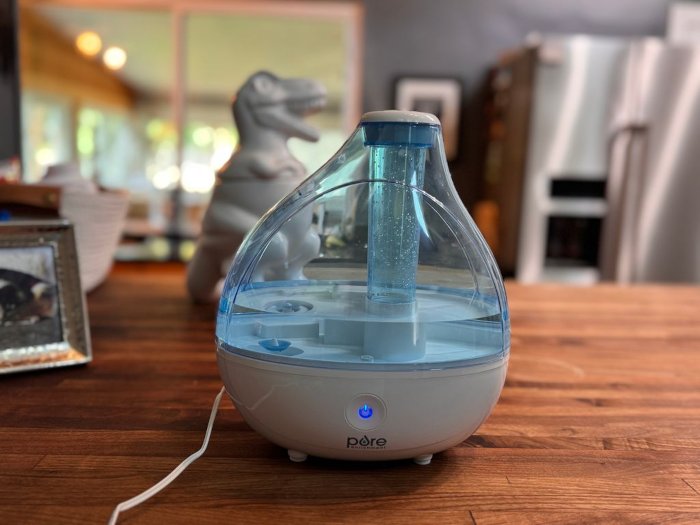
Credit: www.mattressclarity.com
The Ideal Humidity Range
So, what is the magic number?
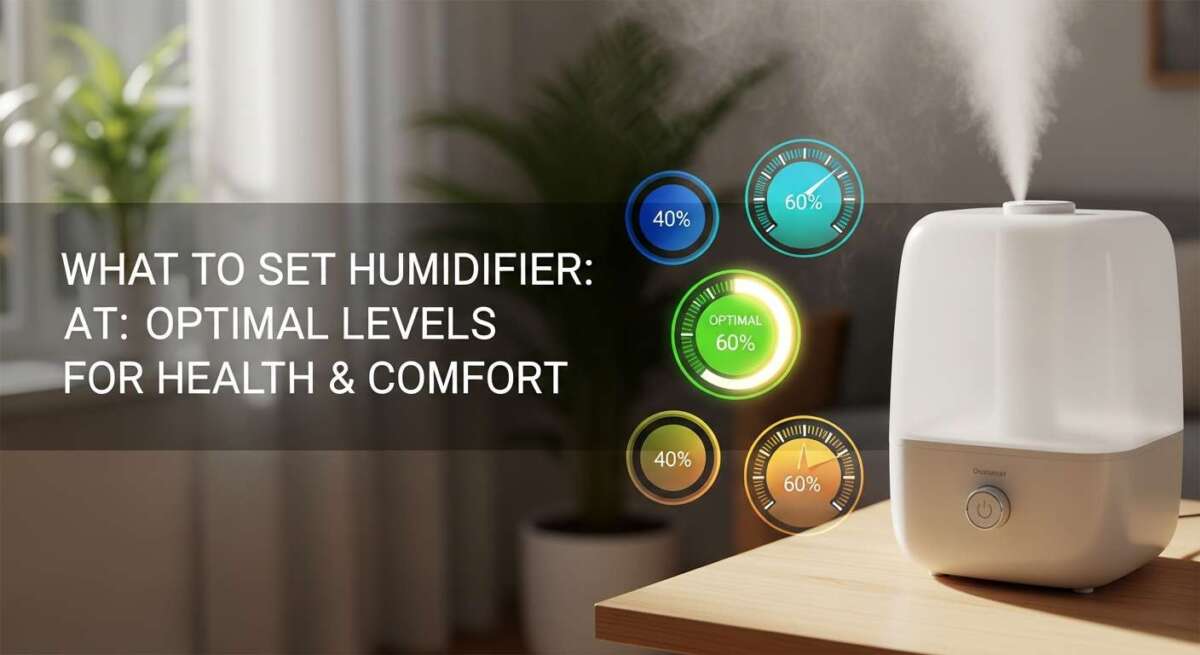
The ideal indoor humidity level is between 30% and 50%.
Write that down. 30% to 50%.
Experts like the EPA say this too. It is the safe zone.
Why Not Lower Than 30%?
If the level drops below 30%, the air is too dry.
- Your nose will hurt.
- Your skin will flake.
- Viruses spread faster.
- Wood floors might crack.
Why Not Higher Than 50%?
If the level goes above 50%, the air is too wet.
- You will feel sticky.
- Sweat won’t dry.
- Dust mites will grow.
- Mold will start to eat your walls.
Aim for 40%. That is the sweet spot. It is safe for your house. It is great for your body.
A Personal Story: My Battle with Mold
I want to share a story. It is a bit embarrassing. But it will help you.
A few years ago, I bought a big humidifier. I put it in my bedroom. It was January. The air was so dry. My nose bled every morning. I hated it.
So, I turned the dial all the way up. I wanted moist air. I wanted it fast. I felt great for a week. No more nosebleeds. I slept like a baby.
Then, I moved my dresser.
The wall behind it was black. It was covered in fuzzy mold. I was shocked.
What happened?
I set the humidifier too high. The wet air hit the cold wall. It turned into water. The water sat there. The mold ate the wall. It cost me a lot of money to fix.
I learned a lesson. More is not always better. You must check the levels. You must stay under 50%. Do not be like me. Save your walls.
Seasonal Settings: Winter vs. Summer
The time of year changes everything. The air outside changes. So, your settings must change too.
Humidifier Settings for Winter
Winter is the main time for humidifiers. This is when you need them most. But you must be careful.
It is cold outside. Your windows are cold. If your inside air is too wet, water forms on the glass. We call this condensation.
If you see water on your windows, stop. Your humidity is too high.
For winter, aim for 35% to 45%.
Do not go to 50% if it is freezing outside. The water will collect on cold spots. It will cause rot.
Quick Tip: If the temp outside drops below 20°F (-6°C), lower your setting to 35%.
Summer Humidity Levels
In summer, the air is naturally wet. You usually do not need a humidifier. In fact, you might need a dehumidifier.
However, air conditioning dries the air. AC works by removing water. Sometimes, the AC works too well. The air gets dry again.
If you run the AC all day, check the air. If it drops below 30%, use the humidifier. But keep it low.
For summer, aim for 40% to 50%.
Never go higher. Summer heat plus wet air equals mold heaven.

Credit: medium.com
How to Measure Humidity Accurately
Many humidifiers have a screen. It shows a number. It says “45%.”
Do not trust it.
Here is why. The sensor is on the machine. The machine makes the wet air. So, the air right next to the machine is very wet. The sensor reads that wet air.
But the air across the room? It might still be dry. The machine thinks its job is done. It turns off. But you are still dry.
The Tool You Need: A Hygrometer
You need a gadget. It is called a hygrometer.
It sounds fancy. It is not. It is a small thermometer for water. You can buy one for $10. It is cheap. It is the best tool for your home.
How to use it:
- Buy a digital hygrometer.
- Put it in the room with the humidifier.
- Do not put it next to the machine.
- Put it on the other side of the room.
- Read the number after an hour.
This tells you the real humidity. If it says 30%, turn up the machine. If it says 60%, turn it off!
My experience: I put a hygrometer on my nightstand. My humidifier is across the room. This way, I know the air near my face is good.
Settings by Room Type
Different rooms have different needs. Let’s break it down.
The Bedroom
This is where you sleep. You spend 8 hours here. This is the most important room.
Dry air causes snoring. It dries out your throat. It makes allergies worse.
Setting: Set it to 45%.
Goal: Wake up with a clear nose and soft skin.
The Nursery (Humidifier for Baby)
Babies have sensitive skin. They lose water faster than adults. Dry air can cause eczema. It can make them cough.
Doctors often say use a cool mist humidifier. It is safer. There is no hot water to burn the baby.
Setting: Keep it at 50%.
Goal: Help the baby breathe. But check for mold often. Babies need clean air.
Living Room & Wood Furniture
Do you have wood floors? Do you have a piano? Do you have wood tables?
Wood acts like a sponge. When air is dry, wood shrinks. It cracks. It warps. I once had a guitar crack because the room was too dry. It was a sad day.
Setting: Keep it above 35%.
Goal: Stop wood from shrinking.
Health Benefits of Using a Humidifier
Why go through all this trouble? Because it makes you healthy. It is not just about comfort. It is about your body.
Skin Health
Your skin is a barrier. It needs water to be strong. Dry air sucks the water out. Your hands get rough. Your lips peel.
Proper humidity keeps skin bouncy. It helps lotion work better. It stops the itch.
Respiratory Relief
Your nose has mucus. It sounds gross. But it is good. It traps germs.
Dry air dries up the mucus. Now germs can get in. Your throat hurts. You cough.
Moist air keeps your nose happy. It helps you cough less. It helps you recover from colds faster.
Virus Protection
This is a big one. Viruses love dry air. They float in dry air for hours.
In moist air, water droplets attach to the virus. The virus gets heavy. It falls to the floor. You do not breathe it in.
Studies show that flu spreads less in humid homes.
So, keep it at 40% to stay well.
Credit: www.greenwashingindex.com
The Risks of Getting It Wrong
I must warn you again. High humidity is bad. You must watch out for the signs of high humidity.
Mold and Mildew
Mold is a fungus. It loves water. It loves dark spots.
If your humidity is above 60%, mold will grow. It grows in carpet. It grows behind beds. It grows in closets.
Mold makes you sick. It causes asthma. It smells bad.
Prevention: Never let the room stay above 50% for long.
Dust Mites
These are tiny bugs. You cannot see them. They live in your bed. They eat dead skin.
They do not drink water. They absorb water from the air.
If the air is dry, they die. If the air is wet, they breed. They make allergies very bad.
Prevention: Keep humidity below 50% to kill them.
Choosing the Right Humidifier
Not all machines are the same. Pick the right one for you.
Warm Mist vs. Cool Mist
Warm Mist:
- Boils water.
- Releases steam.
- Kills germs in the water.
- Good for: Winter. It warms the room slightly.
- Bad for: Kids. Hot water can burn.
Cool Mist:
- Uses a fan or vibration.
- Releases cool fog.
- Good for: Kids and pets. Safe to touch.
- Bad for: Noise. Fans can be loud.
Both add water. Both work well. Pick the one you like. Just keep it clean.
Ultrasonic vs. Evaporative
Ultrasonic:
- Very quiet.
- Uses vibration.
- Con: Might leave white dust if you use tap water.
Evaporative:
- Uses a fan and a wick.
- Self-regulating. It slows down when air is wet.
- Con: Filters need replacing. Louder.
Maintenance Matters
This is the most boring part. But it is the most vital part.
A dirty humidifier is a germ bomb. If mold grows in the tank, the machine shoots mold into the air. You breathe it in. This can cause “Humidifier Lung.” It is like pneumonia.
Do not let this happen.
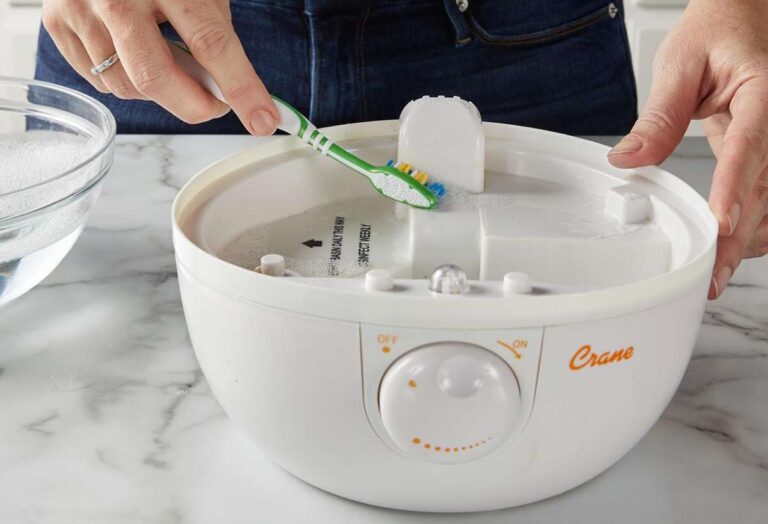
My Cleaning Routine
I do this every Sunday. It takes 10 minutes.
- Empty the tank. Pour out old water.
- Add vinegar. Fill the base with white vinegar. Let it sit for 20 minutes.
- Scrub. Use a small brush. Scrub the scale off.
- Rinse. Rinse it well with water.
- Dry. Let it air dry completely.
Pro Tip: Use distilled water. Tap water has minerals. These minerals turn into white dust. The dust settles on your TV. It is annoying. Distilled water is pure. No dust.
FAQ: Quick Answers
Here are answers to questions people ask me often.
What is the best setting for sleeping?
Set it to 45%. This keeps your throat moist. It helps you breathe deep. It is not too wet for your sheets.
Can I leave my humidifier on all night?
Yes, you can. Just make sure it does not run out of water. Also, check that the room does not get too damp. A model with an auto-shutoff is best.
How do I know if it is too humid?
Look at your windows. Is there fog or water on them? Does the room smell musty? Does the air feel heavy? If yes, turn it down.
Where should I put the humidifier?
Put it on a table. Keep it off the floor. Keep it two feet away from walls. Do not put it right next to your bed. Give the mist room to mix with air.
Do plants help with humidity?
Yes! Plants release water. They are natural humidifiers. Grouping plants together raises humidity. It is a nice way to help.
Conclusion
Let’s wrap this up.
You wanted to know what to set humidifier at.
The answer is 30% to 50%.
Aim for 40%. It is the perfect balance.
- In winter, keep it near 40%. watch for window water.
- In summer, keep it under 50%.
- Always use a hygrometer. Do not guess.
Correct humidity changes your life. Your skin feels better. You sleep better. Your home stays safe.
I hope my story helps you. Do not make my mold mistake. Get a hygrometer today. Check your levels. breathe easy.
You can do this. Your health is worth it.
Stay comfortable!