
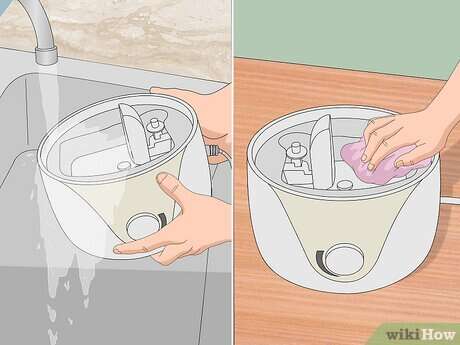
How To Clean Crane Humidifier: Step-By-Step Guide
Clean your Crane humidifier weekly with vinegar, scrub parts gently, rinse thoroughly, and air-dry.
I’ve cared for dozens of humidifiers as a technician and homeowner. This article explains exactly how to clean crane humidifier models safely and effectively. You’ll get step-by-step instructions, tools to use, common mistakes to avoid, and simple maintenance habits that keep your humidifier running longer and your air healthier. Read on for clear, tested guidance you can use today.

Why clean your Crane humidifier regularly
Dust, mineral deposits, and bacteria build up inside any humidifier over time. Cleaning prevents white dust, musty smells, and the spread of microbes. A clean unit runs more efficiently and lasts longer.
Regular cleaning also helps your home’s air quality. Mineral scale from hard water reduces output and strains the motor. Mold growth in a tank can trigger allergies. Learning how to clean crane humidifier is one of the best steps to protect your family and your device.

When to clean: schedule and signs to watch for
Timing keeps the job easy. Follow these simple rules:
- Clean the tank and base once a week during regular use.
- Do a deeper descaling every 2 to 4 weeks if you use hard water.
- Empty and rinse the tank daily if you run the humidifier continuously.
Watch for these signs you need cleaning now:
- Musty or sour smell
- Visible mineral crust or slime inside the tank
- Reduced mist output or odd noises
If any sign appears, stop and clean the unit right away to avoid larger problems. How to clean crane humidifier depends on condition, but weekly care fixes most issues.
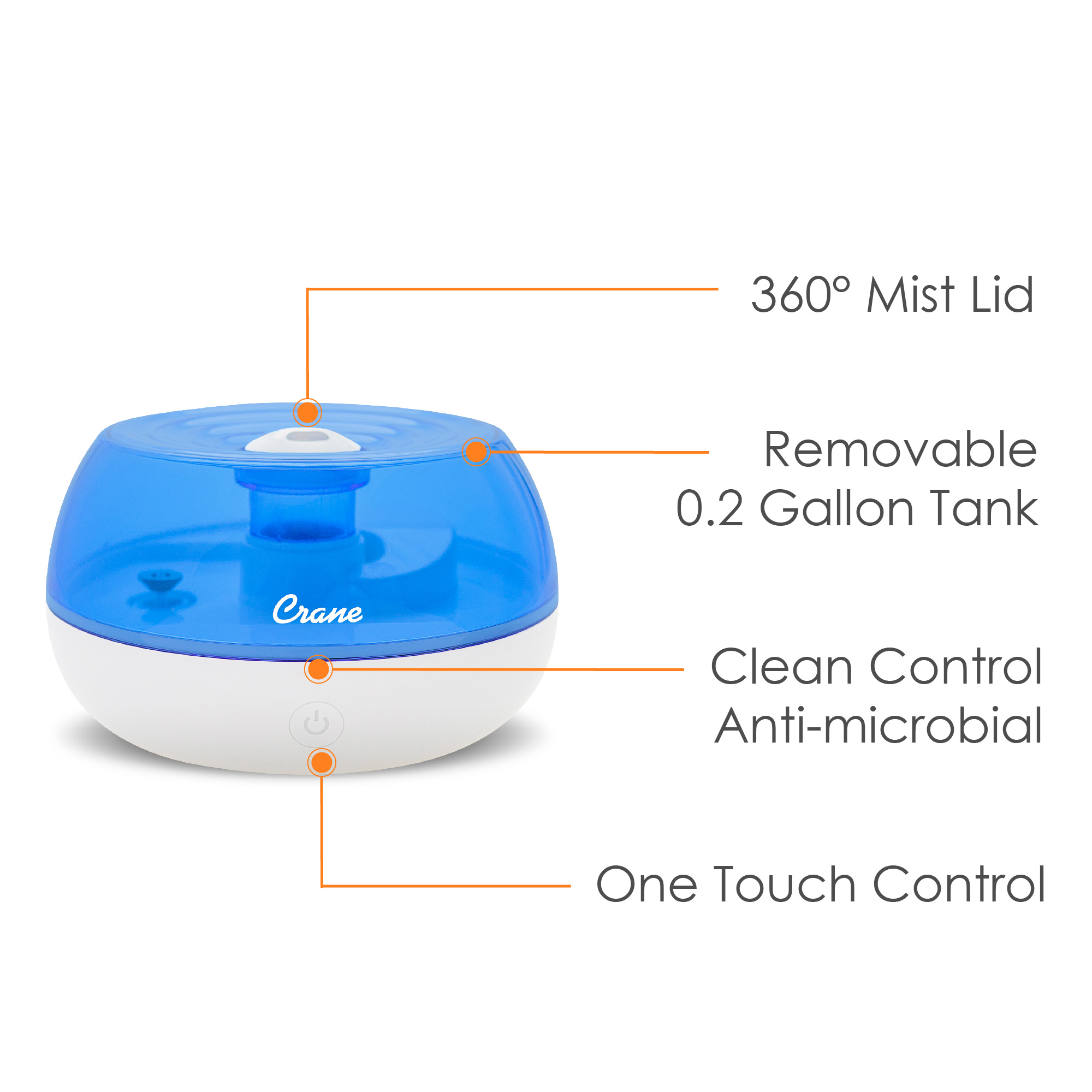
What you need before you start
Gather these safe, common items before you clean:
- Distilled white vinegar (for descaling)
- Liquid dish soap (mild, fragrance-free preferred)
- Soft brush or microfiber cloth (no metal scrapers)
- Cotton swabs or small bottle brush for tight spots
- Clean towel and a drying area
- Gloves, if you prefer
Avoid bleach unless the manufacturer specifically allows it. Using the right supplies makes how to clean crane humidifier quick and safe.

Step-by-step: how to clean crane humidifier (daily, weekly, monthly)
Below are clear routines to follow. Take your time the first few cleanings. You’ll get faster with practice.
Daily rinse (quick)
- Turn the unit off and unplug it.
- Empty the water tank and dump any remaining water in the base.
- Rinse the tank with warm water and empty again.
- Refill with fresh water if you’ll use it that day.
Weekly clean (standard)
- Unplug and disassemble the humidifier per the manual (tank, base, mist nozzle).
- Rinse all parts with warm water to remove loose debris.
- Fill the tank one-quarter full with undiluted white vinegar, swirl, and let sit 20–30 minutes.
- Use a soft brush to scrub interior corners and the base gently.
- Rinse thoroughly with warm water until the vinegar smell is gone.
- Wipe dry with a clean towel and let parts air-dry before reassembly.
Monthly deep clean (descale)
- Follow unplug and disassemble steps.
- Mix one part white vinegar to one part water and fill the tank to cover mineral areas.
- Let soak for 30–60 minutes. For heavy scale, use undiluted vinegar for 10–15 minutes, then dilute and continue soaking.
- Scrub with a soft brush and use cotton swabs for crevices.
- Rinse many times until all vinegar is removed.
- Reassemble and run the humidifier for a few minutes with clean water to flush remaining residues.
These simple routines show how to clean crane humidifier from light maintenance to a full descaling.
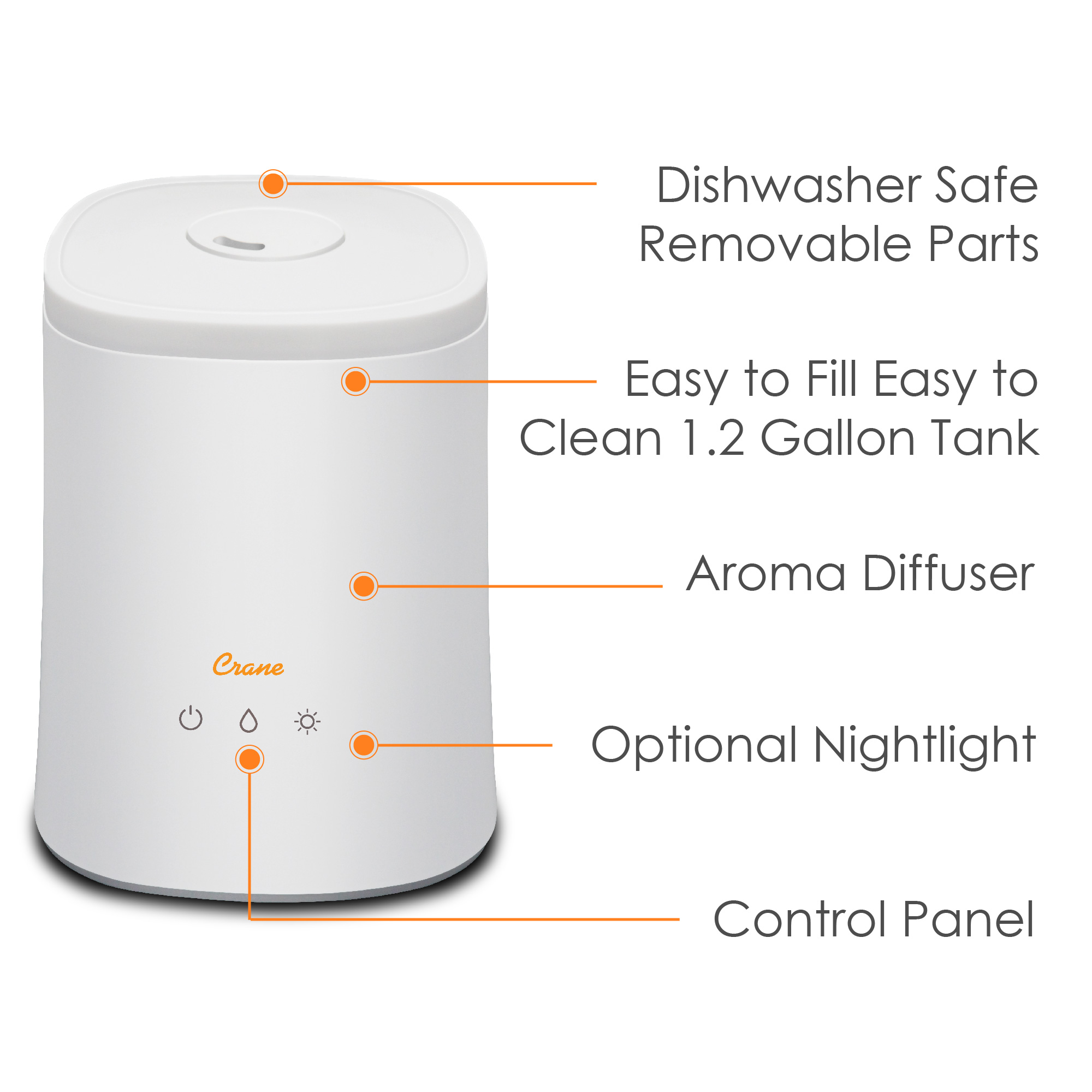
Deep cleaning tips and safe disinfecting
When you need to disinfect because of mold, algae, or long storage:
- Use a weak bleach solution (1 teaspoon bleach per gallon) only if the manual allows. Soak for 30 minutes, then rinse thoroughly.
- Alternatively, use hydrogen peroxide 3% to spray or fill the tank, let sit 30 minutes, then rinse.
- Avoid harsh chemicals that can damage plastic parts or leave odors.
After any disinfecting step, rinse at least three times and run the unit briefly with clean water to clear residues. Knowing how to clean crane humidifier safely prevents damage and keeps air safe.

Maintenance tips and things I’ve learned from experience
I’ve cleaned many Crane units. These habits save time and frustration:
- Use distilled water to reduce mineral buildup and cut cleaning frequency.
- Keep the tank empty when not in use; standing water invites microbes.
- Replace filters or pads per the manual; replacing on schedule keeps output healthy.
- Label a weekly cleaning day on your phone calendar to make it a habit.
- If you hear grinding or see low mist output, check for mineral buildup in the wick or nozzle.
Common mistakes to avoid:
- Don’t use metal tools or abrasive pads that scratch plastic.
- Don’t pour vinegar into the outer base electronics.
- Don’t skip rinsing after disinfecting; residues can cause odors or irritation.
These lessons come from real cleanings. They help you master how to clean crane humidifier without costly errors.
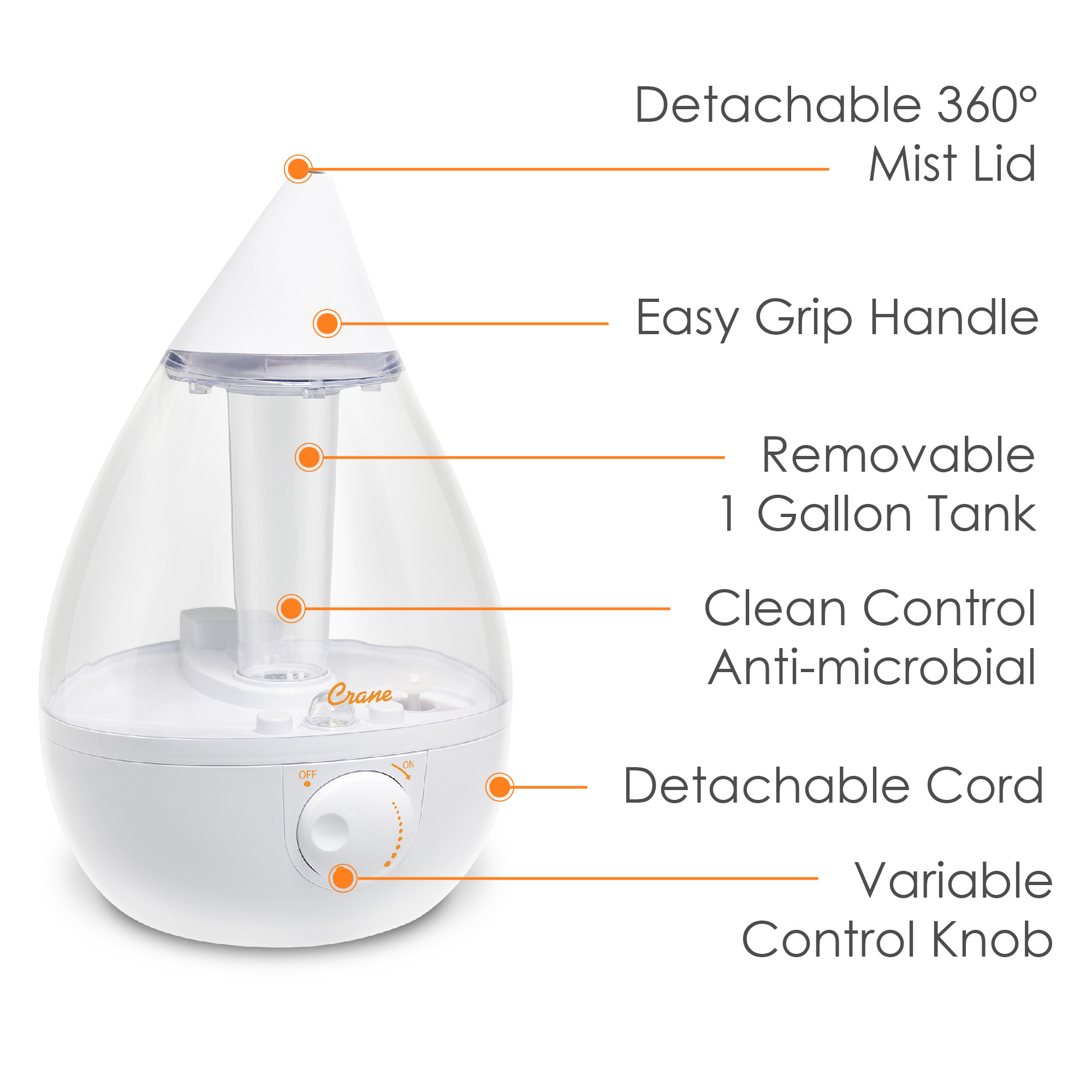
Troubleshooting common problems
If cleaning doesn’t fix an issue, try these checks:
- Low mist output: Check for blocked nozzle or clogged wick. Replace wick if worn.
- Persistent smell: Do a full disinfecting soak and allow all parts to dry fully.
- White dust: Switch to distilled water or use a demineralization cartridge if your model supports it.
- Unit won’t start after cleaning: Ensure all parts are dry and seated correctly; check power cord and outlet.
If problems persist after these steps, contact Crane support or a professional repair service. Repeated cleaning techniques teach you how to clean crane humidifier and when to seek help.

PAA-style quick questions
What is the safest cleaner for a Crane humidifier?
- White vinegar and mild dish soap are the safest and most effective options for routine cleaning.
How often should I descale a Crane humidifier?
- Descale every 2–4 weeks with vinegar if you use tap water; less often with distilled water.
Can I use bleach to disinfect my humidifier?
- Only use bleach if the manual allows. If so, dilute properly and rinse thoroughly afterward.
Is distilled water necessary for Crane humidifiers?
- Distilled water is not required but reduces mineral buildup and lowers cleaning frequency.
Will cleaning improve humidifier performance?
- Yes. Regular cleaning restores flow, removes odors, and helps the unit run more efficiently.

Source: wikihow.com
Frequently Asked Questions of how to clean crane humidifier
How often should I clean my Crane humidifier?
Clean the tank and base once a week during active use. Do a deeper descaling every 2 to 4 weeks if you use hard water.
Can I use vinegar on all Crane humidifier parts?
Vinegar is safe for plastic tanks and bases. Avoid pouring vinegar onto electrical components and always rinse thoroughly after soaking.
What is the best water to use in my Crane humidifier?
Distilled water is best. It lowers mineral deposits and reduces white dust, which means less frequent cleaning.
How do I remove mold from the humidifier tank?
Disassemble the unit, soak the tank in white vinegar or a manufacturer-approved disinfectant, scrub gently, rinse well, and dry completely.
Is it okay to run the humidifier without a filter?
Running without a filter depends on model design. Check your manual. Filters help trap minerals and reduce buildup, so they’re usually recommended.
Conclusion
Keeping your Crane humidifier clean is simple and worth the effort. Regular weekly care, periodic descaling, and good habits like using distilled water will keep the unit working well and your air healthier. Start with the easy daily rinse, schedule a weekly clean, and do a monthly deep clean as needed. Try these steps for one season and notice the difference in performance and air quality. If this guide helped, subscribe for more home-care tips, or leave a comment with your model and questions — I’ll help troubleshoot.